Play-Based Learning and Coloring: Teaching Through Fun
Quick answer
Play-based learning uses enjoyable, child-led activities like coloring to build skills without pressure. Coloring teaches colors, shapes, focus, and fine-motor control while a child simply plays — which is why it’s a staple in early-years education: children learn best when they’re relaxed and having fun.
By the TheColoringPages.net team. Reviewed for accuracy, September 2026.
This guide to Play Based Learning gives clear, practical answers, drawing on learning through play and years of hands on coloring.
Children learn best when they are having fun, and coloring is one of the easiest ways to teach through play. Behind the enjoyable activity of filling a page, a child can practice letters, numbers, colors, and concepts, all without it feeling like a lesson. This is the heart of play based learning, and coloring fits it perfectly.
This guide explains what play based learning is, how coloring fits it, and how to use coloring pages to teach a range of skills in a fun, low pressure way.
Quick answer: Coloring fits play based learning by teaching through enjoyment. Children practice motor skills, colors, letters, numbers, and concepts while they color, which feels like play rather than a lesson. Themed pages turn topics like the alphabet, counting, and animals into hands on activities, making coloring a natural, effective tool for early learning.

What play-based learning is
Play based learning is teaching through play, and it suits how young children naturally learn.
Young children learn through doing, exploring, and playing rather than through formal instruction. Play based learning uses this by embedding learning in enjoyable activities, so a child absorbs skills and concepts while they play. Instead of sitting through a lesson, a child learns by engaging in a fun activity that happens to build knowledge and skills.
This approach works because children are motivated and relaxed when playing, which helps learning stick. A child engaged in a fun activity absorbs more than one who feels pressured or bored. Play based learning also builds a positive association with learning, since it feels enjoyable rather than tedious, which supports a lifelong love of learning.
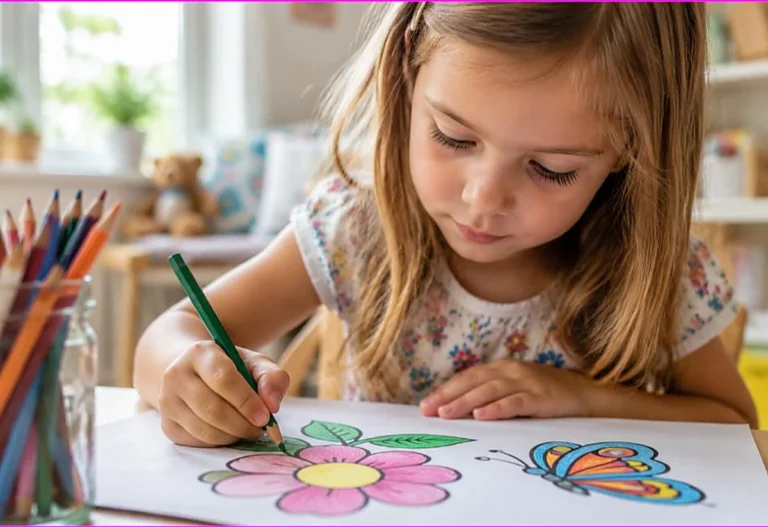
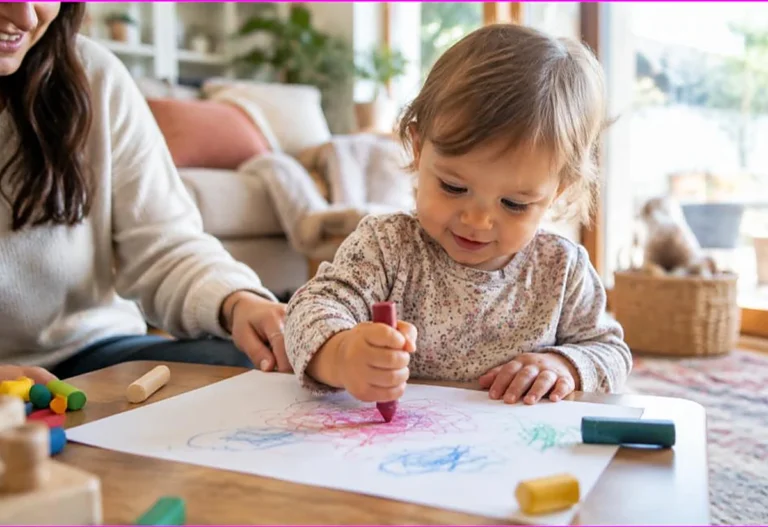
Coloring is a natural fit for play based learning. It is enjoyable and engaging, yet it can teach a wide range of skills and concepts. A child coloring is playing, but they are also building motor skills, learning colors, and, with the right pages, practicing letters, numbers, and other concepts. Our guide on coloring and child development covers what coloring builds.
Where coloring fits
Coloring fits play based learning in several ways, making it a versatile teaching tool.
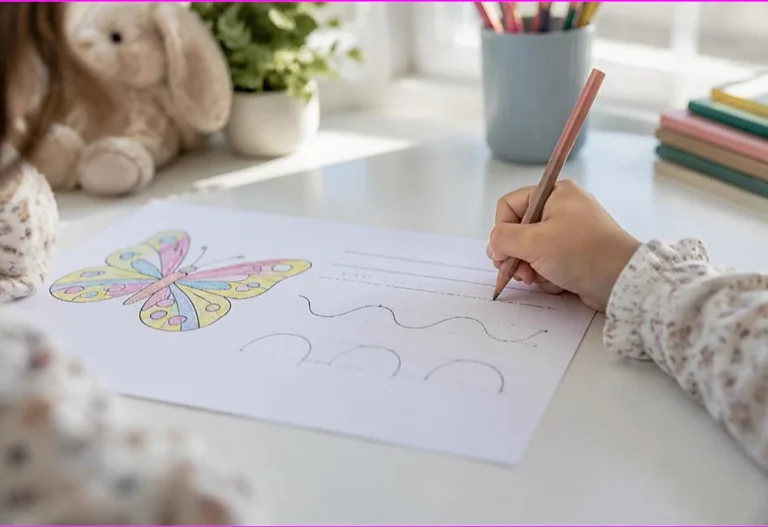
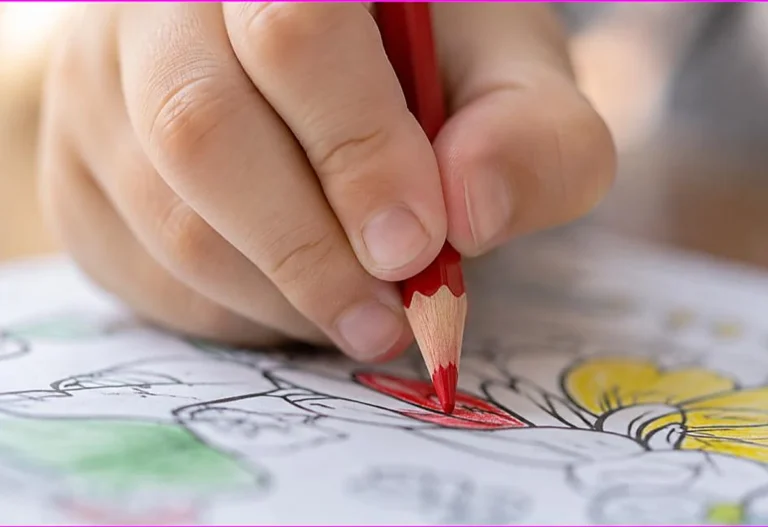
At its most basic, coloring builds foundational skills through play: fine motor control, hand and eye coordination, focus, and color recognition. These develop naturally as a child colors, without any need for a lesson. So even simple coloring is play based learning, building school ready skills through enjoyment. Our guide on coloring and fine motor skills covers this.
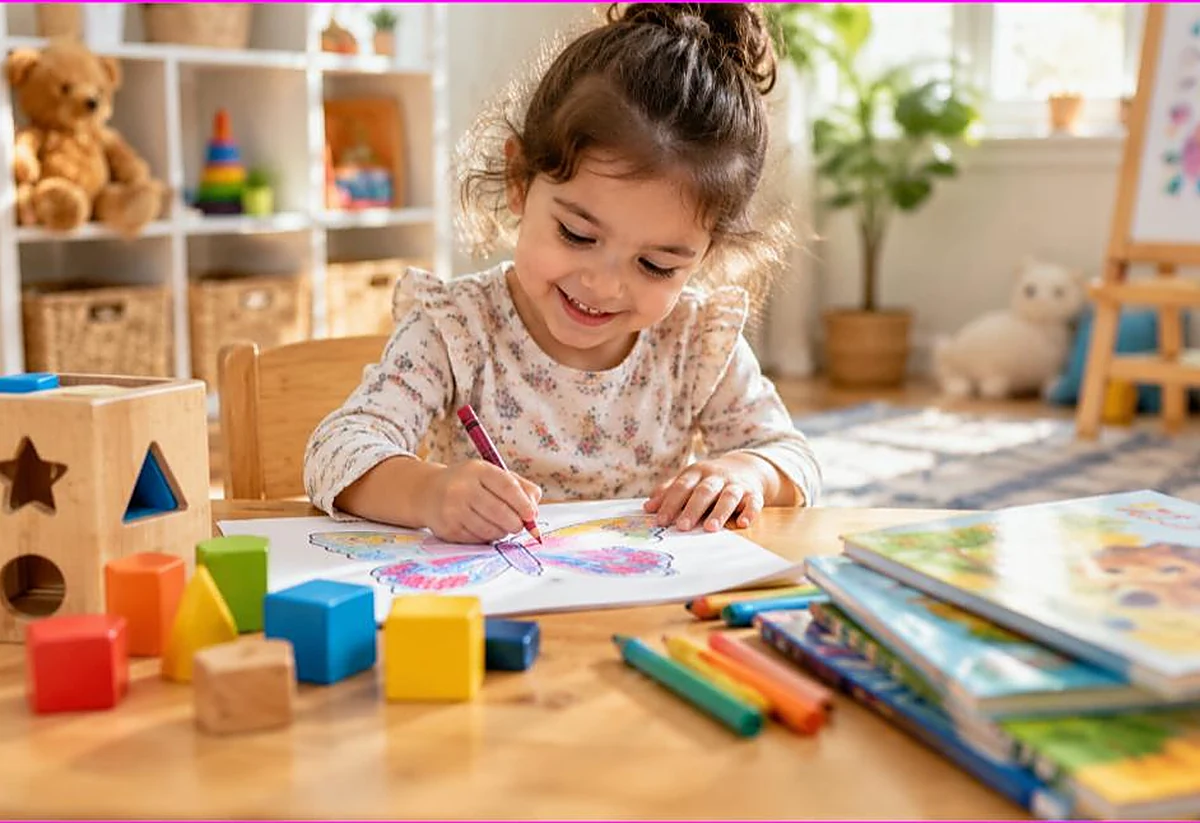
Beyond the basics, coloring can teach specific content. Themed pages let a child engage with a topic through coloring, whether letters, numbers, animals, or seasons. Coloring an alphabet page, for example, lets a child engage with letters while they color, building letter familiarity through play. This makes coloring a flexible tool for teaching a curriculum.
Coloring also supports learning through the conversation and activity around it. Talking about the page, counting objects, naming things, and telling stories all add learning to the coloring. So coloring fits play based learning both through the coloring itself and through the rich learning opportunities it creates. Our guide on coloring for speech therapy covers language learning through coloring.
Teaching letters and numbers
Coloring is an effective, playful way to teach letters and numbers to young children.
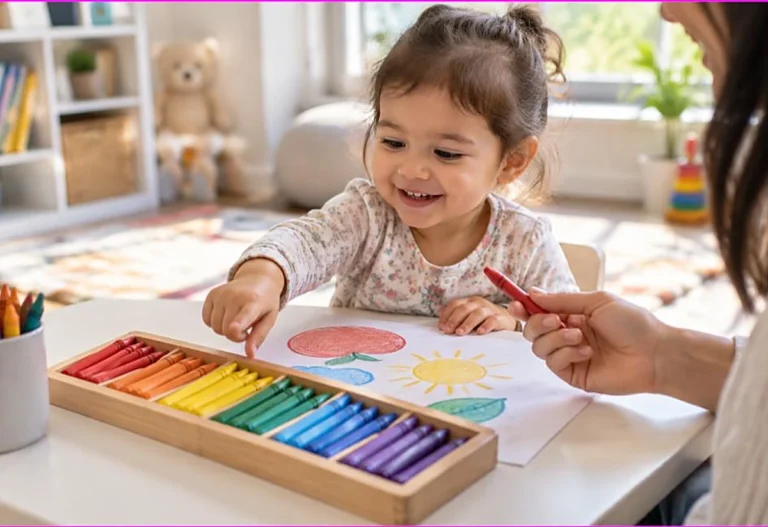
Alphabet coloring pages let a child engage with letters while coloring. Coloring a page featuring a letter and an object that starts with it, like A for apple, builds letter recognition and letter sound links through play. Working through alphabet pages gives a child repeated, enjoyable exposure to letters, which helps them stick far better than rote drilling.
Number coloring pages do the same for numbers. Coloring a page featuring a number and the right quantity of objects, like the number three with three balls, builds number recognition and early counting. Color by number pages, where a child fills numbered areas with matching colors, combine number practice with coloring in a particularly engaging way. Our guide on what color by number is covers this format.
These letter and number pages turn early literacy and numeracy into play. A child practices the building blocks of reading and math while enjoying coloring, with no pressure. This playful practice builds a foundation for school in a way that feels like fun, which is exactly what play based learning aims for. Our collection of free printable coloring pages for kids includes educational themes.

Themed coloring lessons
Themed coloring pages let you build fun, hands on lessons around any topic.
Choose pages that match what you want to teach. Animal pages teach animal names and facts, ocean pages teach sea creatures, community pages teach jobs and places, and seasonal pages teach the seasons and weather. Coloring a themed page lets a child engage with the topic visually and through conversation, building knowledge through play.
Build a simple lesson around the coloring. As a child colors an animal page, you might name the animals, make their sounds, talk about where they live, and count them. This turns the coloring into a rich, multi skill lesson covering vocabulary, facts, and counting, all while the child enjoys coloring. The coloring anchors the lesson and keeps the child engaged.
Themed coloring lessons suit home, preschool, and classroom learning. They are low prep, engaging, and flexible, letting you teach almost any early topic through coloring. Combining coloring with related books, songs, and activities on the same theme creates a full, playful learning experience. Our guides on classroom coloring activities and coloring for homeschool cover educational uses.
Balancing fun and learning
The key to play based learning is keeping the balance right, with fun leading the way.
The learning should feel like a natural part of the play, not a lesson bolted on. If coloring becomes a drill, with constant quizzing or pressure, it loses the enjoyment that makes play based learning work. A child who feels tested may disengage, while one who is simply enjoying coloring absorbs the learning naturally. So keep the fun in the foreground and let the learning happen alongside it.
Follow the child’s interest and pace. A child engaged in coloring a page they love learns more than one pushed through an educational page they find dull. Choosing themes and pages that interest the child keeps them engaged, which is what makes the learning stick. Let the child lead, and weave learning in gently.
Keep it pressure free and positive. Celebrate the child’s coloring and any learning, without turning it into a test. A child who associates coloring with fun and encouragement returns to it willingly, gaining both enjoyment and learning. This positive, playful approach is the essence of play based learning, and coloring delivers it naturally. Our guide on the benefits of coloring for kids covers coloring’s gentle value.
Coloring in early education settings
Coloring is widely used in preschools, kindergartens, and homeschools as a play based learning tool.
In early education settings, coloring serves many purposes: building fine motor skills, teaching colors and shapes, reinforcing letters and numbers, supporting themed learning, and providing calm, focused activity. Its flexibility and low prep make it a staple in classrooms. Teachers use themed coloring pages to tie into lessons, turning topics into hands on activities. Our guide on classroom coloring activities covers this.
For homeschooling families, coloring is equally valuable. It supports unit studies, teaches concepts through play, provides independent quiet work, and adds hands on art with no prep. Free printable pages let homeschoolers match coloring to any lesson. Our guide on coloring for homeschool covers this.
In any early education setting, coloring’s strength is teaching through enjoyment. It engages children, builds a range of skills, and makes learning fun, which is why it is so widely used. Whether at home, in preschool, or in a classroom, coloring is a reliable, flexible play based learning tool. Our collection of free printable coloring pages for kids supports all these settings.
Making the most of play-based coloring
A few simple practices help you get the most learning from play based coloring.
Choose pages with purpose. Selecting pages that match a learning goal, whether letters, numbers, a theme, or simply skill building, makes the coloring intentional while still fun. A varied selection lets you target different skills over time. Our collection of free printable coloring pages for kids covers many educational themes.
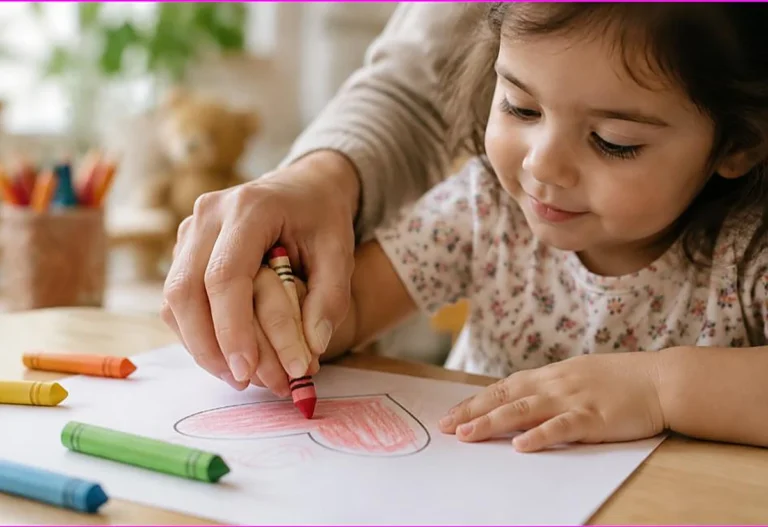
Engage with the child as they color. Talking about the page, asking questions, naming things, and counting all add learning to the coloring. Your involvement turns solo coloring into a rich, interactive learning experience, and it makes the activity more enjoyable and connected for the child.
Keep it varied and fun. Rotating themes and pages keeps coloring fresh and engaging, which keeps a child learning. Combining coloring with related books, songs, and activities deepens the learning around a theme. And keeping the whole thing playful and pressure free ensures a child stays engaged and absorbs the learning, which is what play based learning is all about.

Combining coloring with other play-based activities
Coloring works even better as part of a wider play based learning approach, combined with related activities.
Pairing coloring with related books deepens learning. Reading a book about animals, then coloring animal pages, reinforces the vocabulary and facts through two enjoyable activities. The coloring gives the child a hands on way to engage with what they read, which helps it stick. This pairing works for any theme, from seasons to community helpers.
Adding songs, games, and hands on activities on the same theme creates a full learning experience. A theme like the ocean might include an ocean book, an ocean song, ocean coloring pages, and a simple sorting game with sea creatures. This multi activity approach engages a child in different ways, building richer, more memorable learning than any single activity. Coloring anchors the theme with a calm, focused activity.
So while coloring is a valuable play based learning tool on its own, combining it with related books, songs, and activities makes it even more effective. Together they teach a theme through varied, enjoyable play, which is the essence of play based learning. Our collection of free printable coloring pages for kids covers many themes to pair with other activities.
Frequently asked questions about play based learning
What is play-based learning with coloring?
Play based learning with coloring means teaching through the enjoyable activity of coloring. A child builds motor skills, learns colors, and, with themed pages, practices letters, numbers, and concepts, all while playing rather than sitting through a lesson.
How does coloring teach children?
Coloring builds fine motor skills, focus, and color recognition through the activity itself, and themed pages teach specific content like letters, numbers, and topics. The conversation around coloring adds vocabulary and facts, making it a rich learning tool.
Can coloring teach letters and numbers?
Yes. Alphabet and number coloring pages let a child engage with letters and numbers while coloring, building recognition through play. Color by number pages combine number practice with coloring, making early literacy and numeracy fun.
Why is coloring good for early learning?
Coloring teaches through enjoyment, which suits how young children learn. It builds foundational skills, teaches content through themed pages, and creates learning opportunities through conversation, all while feeling like play rather than a lesson.
How do I balance fun and learning in coloring?
Keep the fun in the foreground and let learning happen alongside it. Avoid turning coloring into a drill or test, follow the child’s interest, and keep it pressure free. A child enjoying coloring absorbs learning naturally, which is the goal.
The takeaway on play based learning
Coloring is a natural fit for play based learning, teaching through enjoyment rather than formal lessons. Children build motor skills, learn colors, and, with themed pages, practice letters, numbers, and concepts while they color. Keep the fun leading, choose pages with purpose, engage with your child as they color, and keep it pressure free. Through the simple joy of coloring, children learn a wide range of skills, building a foundation for school in a way they love.
Ready to teach through play? Browse our free printable coloring pages for kids, including educational themes. Every one is free to download and print. For ready made packs, browse our educational coloring pages.