Coloring for Speech Therapy and Vocabulary Building
Quick answer
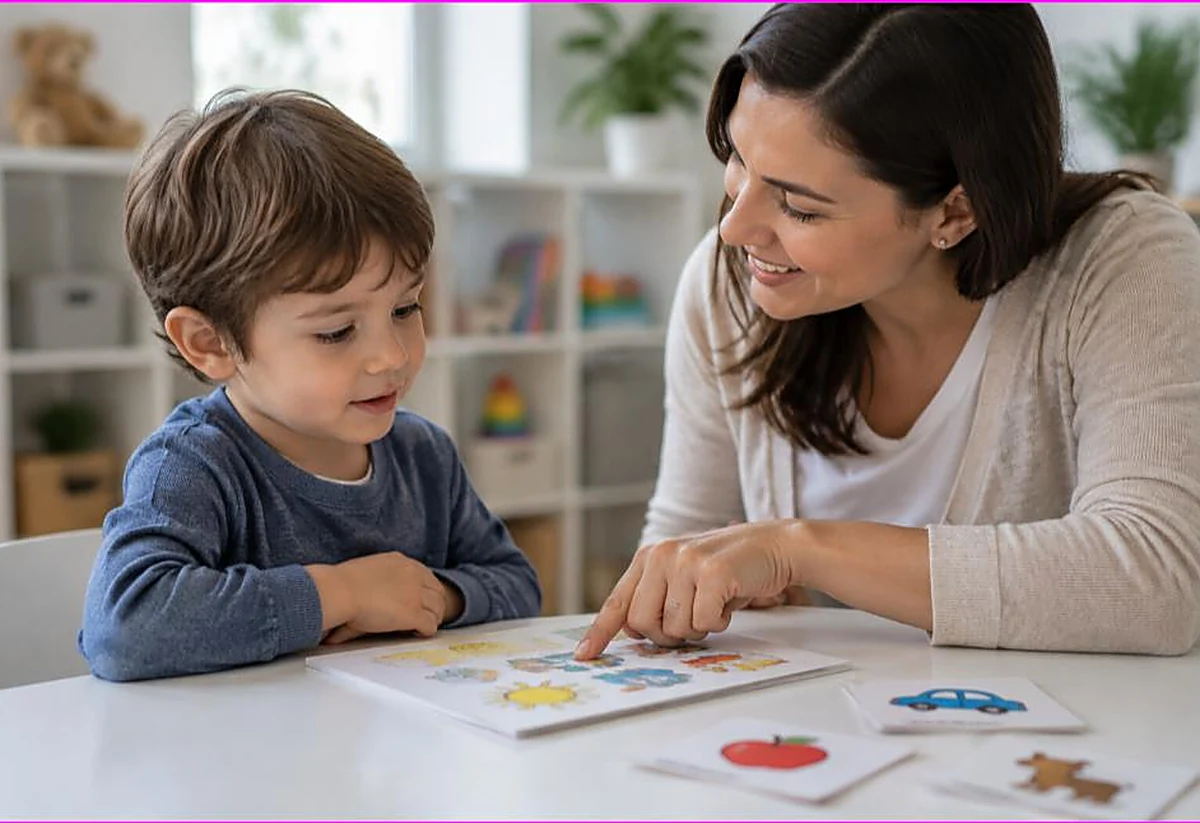
Coloring supports speech therapy by creating a calm, shared activity where a child naturally talks — naming colors and objects, following directions, and describing what they’re doing. Therapists use coloring pages to target vocabulary, sentence-building, and turn-taking in a low-pressure, motivating way.
By the TheColoringPages.net team. Reviewed for accuracy, September 2026.
This guide to Speech Therapy gives clear, practical answers, drawing on speech and language therapy and years of hands on coloring.
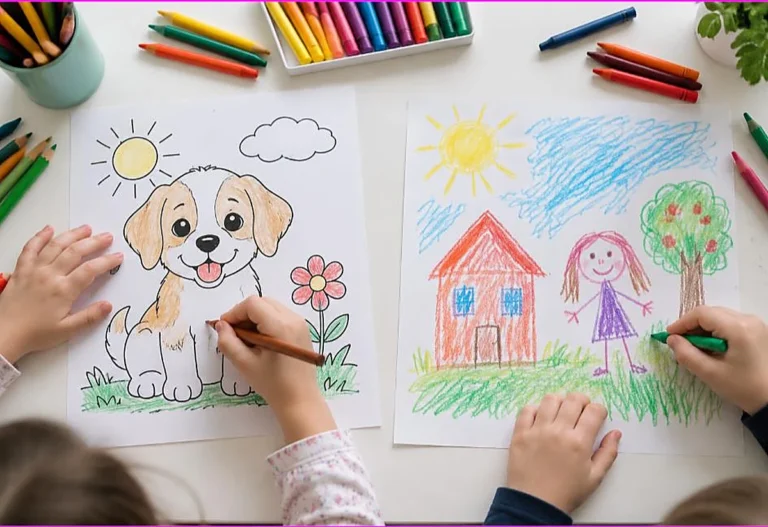
Coloring is not just a quiet activity. It is a surprisingly useful tool for building a child’s language and communication skills. Speech therapists and parents use coloring pages to grow vocabulary, practice sentence building, and encourage a child to talk, all while the child enjoys filling in a picture. The relaxed, engaging nature of coloring makes it ideal for language practice.
This guide explains how coloring supports speech and language development, and how to use coloring pages to build vocabulary and communication in an enjoyable way.
Quick answer: Coloring pages are a simple speech and language tool. Naming colors and objects builds vocabulary, describing the page builds sentence skills, and following coloring instructions builds listening and comprehension. The relaxed, motivating nature of coloring encourages a child to talk, which supports speech and language development.

Why coloring supports language
Coloring creates a natural, relaxed setting for language practice, which is why it works so well.
Language develops through interaction and practice, and coloring provides plenty of both in an enjoyable form. As a child colors, there is much to talk about: the colors, the objects on the page, what is happening, and what the child is doing. This gives endless natural opportunities for language, without it feeling like a lesson.
Coloring is also calming and motivating, which helps a child engage. A child who is relaxed and enjoying an activity is more willing to talk and try new words than one who feels pressured. The low pressure nature of coloring makes it a comfortable setting for language practice, especially for children who find talking difficult.
So coloring is a natural language builder. It gives a child something engaging to talk about, in a relaxed setting that encourages communication. This is why speech therapists often use coloring pages, and why parents can use them to support language at home. Our guide on the benefits of coloring for kids covers the wider developmental gains.
Building vocabulary through coloring
One of the clearest language benefits of coloring is vocabulary building.
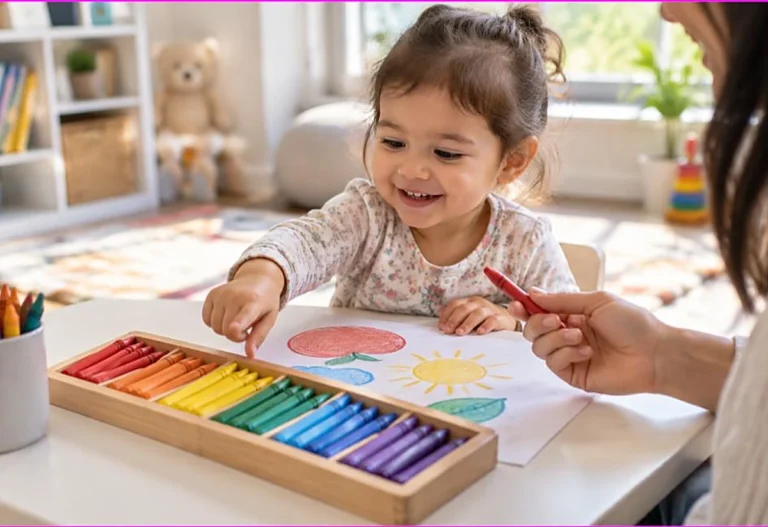
Naming colors is the simplest form. As a child colors, naming each color they use, and encouraging them to name it too, builds their color vocabulary. Over time, a child learns and uses color words through this repeated, meaningful practice. Our guide on teaching colors to toddlers covers this.
Naming objects builds vocabulary too. Talking about what is on the page, the animals, objects, and scenes, teaches a child the words for them. A page about a farm, for example, introduces words like cow, barn, tractor, and field. Themed pages let you target specific vocabulary a child is learning.
You can also build describing words, or adjectives, by talking about how things look: big, small, round, spotty, bright. And action words, or verbs, by talking about what is happening on the page. This rich vocabulary practice happens naturally through coloring, making it an effective, enjoyable language tool. Our collection of free printable coloring pages for kids covers many themes to target different vocabulary.
Following directions and listening
Coloring is excellent for practicing listening and following directions, key language skills.
Simple coloring instructions build these skills. Asking a child to color the sun yellow, or the dog brown, practices listening to and following a direction. As the child develops, you can give more complex instructions, such as color the big flower red and the small flower blue, which builds comprehension of more detailed language.
This kind of directed coloring is both fun and educational. The child enjoys the coloring while practicing the crucial skills of listening carefully and understanding and following what they hear. These skills underpin learning and communication, so building them through play is valuable.
You can make it a game by taking turns giving instructions, or by adding fun challenges. Keeping it playful holds the child’s interest while they practice. Speech therapists often use this directed coloring to build listening and comprehension, and parents can do the same at home. Our guide on classroom coloring activities covers directed coloring in groups.

Describing and storytelling
Coloring pages are a great springboard for describing and storytelling, which build expressive language.
Describing the page builds sentence skills. Encouraging a child to describe what they see, what they are coloring, and what is happening develops their ability to form sentences and express ideas. A page full of detail gives plenty to describe, from the objects to the colors to the scene.
Storytelling takes this further. A coloring page can spark a story: what is the character doing, what happens next, why are they there. Encouraging a child to make up a story about their coloring page builds narrative skills, imagination, and longer, more complex language. This turns a simple page into a rich language activity.
These describing and storytelling activities build expressive language, the ability to communicate ideas, which is a key part of speech and language development. The engaging, personal nature of a child’s own coloring page motivates them to talk, making it an effective tool. Our guide on play based learning and coloring covers learning through coloring.
Themed pages for target words and sounds
Themed coloring pages can target specific vocabulary or speech sounds a child is working on.
For vocabulary, choose pages that feature the words a child is learning. A child learning animal words benefits from animal pages, one learning food words from food pages, and so on. Themed pages concentrate the target vocabulary, giving focused practice through the coloring. This lets you tailor coloring to a child’s current language goals.
For speech sounds, choose pages featuring objects that contain a sound a child is practicing. A child working on the s sound might color a page with a sun, a snake, and a star, naming each and practicing the sound. This makes sound practice fun and meaningful rather than repetitive drilling. Speech therapists often use this technique.
So themed pages let you target exactly what a child needs, whether specific vocabulary or particular sounds. The coloring makes the practice enjoyable and motivating, which helps a child engage and progress. Choosing the right themed pages turns coloring into focused, effective language practice. Our wide range of free printable coloring pages for kids covers many themes and subjects.
Tips for parents and speech therapists
A few tips make coloring even more effective for building language.
Talk throughout the coloring, but do not overwhelm the child. Comment on what you both are doing, name colors and objects, and ask open questions, while leaving space for the child to respond and lead. Following the child’s interest and pace keeps them engaged and willing to talk. Bombarding a child with words can shut them down, so aim for a natural, back and forth conversation.
Model language rather than correcting. If a child says something incorrectly, gently model the correct version in your own speech rather than making them repeat it, which keeps the activity relaxed. For example, if a child says the sun is yellow using the wrong word, you might reply warmly with the correct word in a sentence. This teaches without pressure.
Keep it fun and pressure free. The goal is a relaxed, enjoyable activity where language happens naturally, not a lesson. A child who enjoys coloring and talking with you builds language far better than one who feels tested. Keeping it light is what makes coloring an effective language tool. Our guide on coloring and child development covers supporting development gently.
Coloring for children who are reluctant to talk
Coloring can be especially helpful for children who are shy or reluctant to talk.
The relaxed, side by side nature of coloring takes the pressure off talking. A child who finds direct conversation intimidating may talk more freely while focused on coloring, since the activity gives them something to do and reduces the spotlight on speaking. The shared, calm activity creates a comfortable space for language to emerge.
Coloring also gives a reluctant child a reason and topic to talk about. Rather than being asked to talk in general, which can feel daunting, they can talk about the concrete, engaging thing in front of them: their coloring page. This makes talking easier and more natural, drawing out language gently.
For a shy or reluctant child, coloring together, talking naturally about the page without pressure, can be a gentle way to encourage communication. Follow the child’s lead, keep it relaxed, and let language come at their pace. Over time, this comfortable practice can help a reluctant child open up. Our guide on coloring for kids with autism covers coloring for children with different communication needs.

Age-appropriate language activities
The language activities you use with coloring should match your child’s age and stage, so here is a rough guide.
For toddlers and young preschoolers, keep it simple. Name colors and objects as you color, use single words and short phrases, and celebrate any words the child says. At this stage, coloring builds early vocabulary and the habit of naming things. Our guide on teaching colors to toddlers covers this age.
For older preschoolers, build on this with short sentences, simple describing words, and easy coloring instructions to follow. Encourage the child to describe what they are coloring and to answer simple questions about the page. This builds sentence skills and comprehension. For school age children, use richer vocabulary, storytelling, more complex instructions, and open conversation about the page, which builds advanced language and narrative skills.
Matching the activity to the child’s stage keeps it effective and enjoyable. A toddler is not ready for storytelling, and a school age child needs more than color naming. Meeting the child where they are, and gently stretching their language a little beyond their current level, is how coloring best supports language development. Our collection of free printable coloring pages for kids gives you pages suited to every age.
Frequently asked questions about speech therapy
How does coloring help speech and language?
Coloring provides a relaxed setting for language practice. Naming colors and objects builds vocabulary, describing the page builds sentence skills, and following coloring instructions builds listening. The motivating nature of coloring encourages a child to talk.
Can coloring build vocabulary?
Yes. Naming colors, objects, describing words, and action words as a child colors builds their vocabulary. Themed pages let you target specific words a child is learning, giving focused, enjoyable vocabulary practice.
How can I use coloring for speech therapy at home?
Talk with your child as they color, naming colors and objects and asking open questions. Give coloring instructions to build listening, encourage describing and storytelling, and choose themed pages for target words or sounds. Keep it relaxed and fun.
Can coloring help a child who is reluctant to talk?
Yes. The relaxed, side by side nature of coloring takes the pressure off talking, and it gives a shy child a concrete topic to talk about. Many reluctant children talk more freely while coloring, making it a gentle way to encourage language.
What coloring pages are best for language building?
Themed pages that feature the vocabulary or speech sounds a child is working on are ideal, since they concentrate the target language. A wide variety of pages also gives plenty to talk about, building general vocabulary and describing skills.
The takeaway on speech therapy
Coloring is a valuable tool for building a child’s speech and language. Naming colors and objects builds vocabulary, following instructions builds listening, and describing and storytelling build expressive language, all in a relaxed, motivating setting. Choose themed pages for target words or sounds, talk naturally as you color, and keep it fun and pressure free. Through the simple joy of coloring, a child builds the language skills they need to communicate. It is a tool any parent can use, needing nothing more than a coloring page, some crayons, and a willingness to talk and listen as your child colors.
Ready to build language the fun way? Browse our free printable coloring pages for kids, covering many themes and subjects. Every one is free to download and print. For ready made packs, browse our educational coloring pages.