
Coloring Activities for the Classroom (A Teacher’s Guide)
Quick answer
Classroom coloring activities go beyond plain pages: try collaborative murals, color-by-number math or spelling, “color the correct answer” worksheets, and themed pages tied to the lesson. These keep students engaged, reinforce learning, and give a calm, focused activity that works for a whole class at once.
By the TheColoringPages.net team. Reviewed for accuracy, September 2026.
This guide to Coloring Activities gives clear, practical answers, drawing on education and years of hands on coloring.
Coloring is one of the most useful tools in a teacher’s kit. It settles a busy class, occupies early finishers, ties into lessons across subjects, and gives children a calm, engaging activity that needs almost no prep. Used well, coloring is far more than filler, it supports learning, classroom management, and student wellbeing all at once.
This guide covers practical coloring activities for the classroom, from warm ups and brain breaks to lesson tie ins and reward time, so you can make the most of coloring with your students.
Quick answer: In the classroom, coloring works for morning warm ups, early finisher tasks, brain breaks, reward time, and themed lesson tie ins across subjects. It settles a class, occupies students productively, and needs little prep. Laminate popular pages for reuse, and pair coloring with discussion to add learning value. It supports teaching, management, and calm.

Morning warm-ups and early finishers
Coloring is ideal for the transitional moments that fill a school day, starting with warm ups and early finishers.
Morning warm ups set a calm tone for the day. A coloring page as children arrive gives them a settling, focused activity while the class gathers and you handle morning tasks. This eases the transition into the school day and starts things calmly, rather than with restless waiting. A themed page tied to the day’s learning adds value.
Early finisher activities keep faster students productively occupied. When some children finish work before others, a coloring page gives them a calm, engaging activity while their classmates finish, avoiding restlessness and disruption. Keeping a stock of coloring pages as an early finisher option is a simple, effective classroom management tool.
Both uses solve a common classroom challenge: keeping children calm and occupied during transitions and waiting. Coloring does this reliably, with almost no prep, while also being genuinely beneficial rather than mere time filling. A folder of varied pages ready for these moments is a valuable classroom resource. Our guide on ways to use coloring pages in the classroom covers more teaching uses.
Brain breaks and calm-downs
Coloring is excellent for the brain breaks and calm downs that help children learn and self regulate.
Brain breaks give children a rest between demanding tasks, which helps them refocus. A short coloring break lets children step back from intense work, settle, and return refreshed. The calm, absorbing nature of coloring makes it an ideal brain break, resting the mind while keeping children quietly occupied. This supports focus and learning across the day.
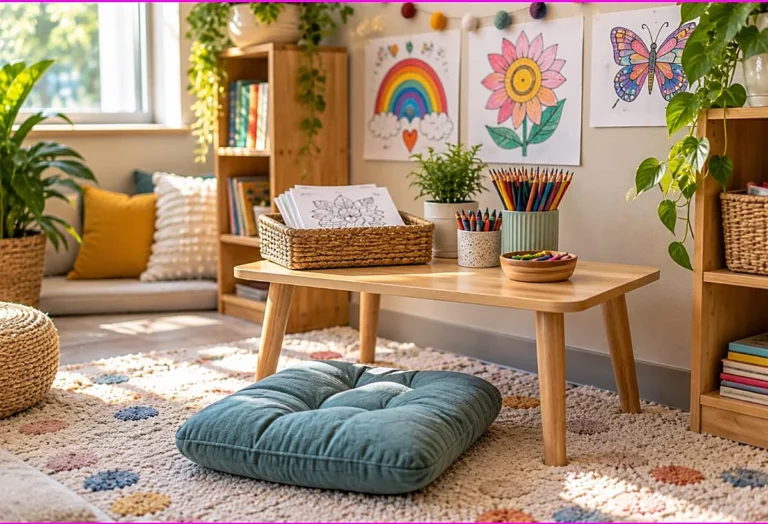
Calm downs help children who are overstimulated or upset. A coloring page in a calm down corner gives such a child a soothing, self regulating activity to help them settle, without singling them out. Many teachers keep coloring available for this, since it reliably calms children. Our guide on calming activities for kids covers coloring for self regulation.
These uses support student wellbeing and classroom calm. Coloring gives children a healthy way to rest, refocus, and self regulate, which benefits both individuals and the whole class atmosphere. Building coloring brain breaks and a calm down option into your classroom supports learning and behavior. It is a simple, screen free tool for a calmer, more focused classroom.
Lesson tie-ins across subjects
Coloring can tie into lessons across the curriculum, turning it into a teaching tool.
In literacy, alphabet and phonics coloring pages reinforce letters and sounds, and coloring pages can illustrate stories or vocabulary. In math, color by number pages practice number recognition and counting, and coloring can reinforce shapes and patterns. Our guide on what color by number is covers the math link.
In science and social studies, themed coloring pages engage children with topics: animals, plants, the seasons, community helpers, historical scenes, and more. Coloring a topic helps children absorb and remember it, and it gives a hands on way to engage with content. In art, coloring builds color knowledge, technique, and creativity. Our guide on play based learning and coloring covers teaching through coloring.
Tying coloring to lessons turns a calm activity into meaningful learning. A themed coloring page, paired with discussion or a related task, reinforces the lesson while children enjoy coloring. This low prep approach adds engagement and retention across subjects. Coloring is a flexible teaching tool that fits almost any topic, making learning hands on and enjoyable. Our collection of free printable coloring pages covers many educational themes.

Reward and free-choice time
Coloring works well as a reward and free choice activity, motivating children and offering calm choice.
As a reward, coloring is popular with children and easy to offer. Allowing coloring time as a reward for good work or behavior motivates children and gives them an enjoyable, calm activity they value. Unlike some rewards, coloring is also beneficial, building skills and calm, so it is a reward that does good. Children often genuinely enjoy earning coloring time.
As a free choice activity, coloring is a reliable, calm option. During free choice or center time, a coloring station gives children who want a quiet, creative activity a good choice, alongside more active options. This suits children who prefer calm activities and provides variety. A well stocked coloring station is a valuable free choice option.
Both uses give children agency and enjoyment while keeping the classroom calm. Coloring as a reward motivates, and as a free choice it offers valued calm creativity. These uses make coloring a positive, flexible part of classroom life, benefiting both individual children and the class atmosphere. Keeping coloring available for reward and free choice enriches your classroom. Our guide on ways to use coloring pages in the classroom covers more.
Group and collaborative coloring
Coloring can be a group and collaborative activity, building teamwork and community.
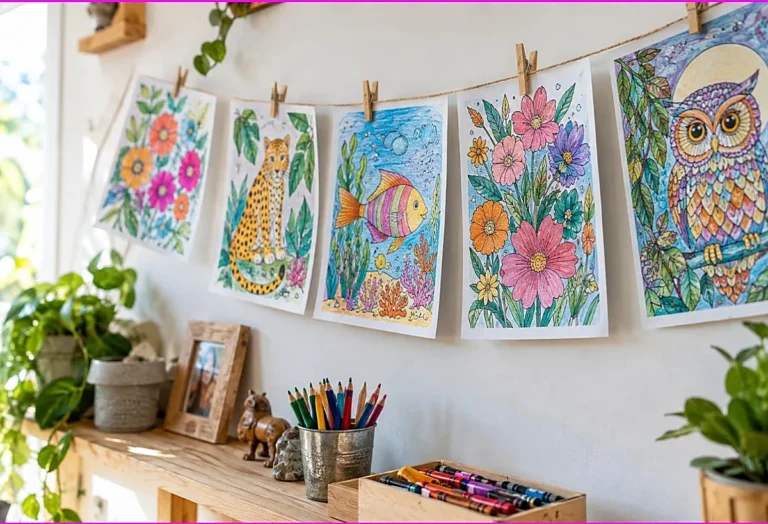
Collaborative coloring, where children work together on a large shared page or poster, builds teamwork and creates a shared class creation. A big collaborative coloring poster, with each child coloring a section, gives a sense of shared achievement and a lovely class display. This turns coloring into a community building activity.
Group coloring, where children color side by side, is a calm, social activity. Children chat and share as they color, which builds social skills and a positive class atmosphere in a relaxed setting. This social coloring suits calm periods and helps children connect. Coloring together is a gentle way to build classroom community.
These group uses add a social, collaborative dimension to coloring. Beyond individual calm and learning, coloring can bring a class together around a shared creation or a relaxed social activity. This builds the teamwork, social skills, and community that support a positive classroom. Collaborative and group coloring are simple, enjoyable ways to strengthen your class. A large sheet or several pages taped together makes a great collaborative canvas.
Making pages reusable
Making coloring pages reusable saves printing and gives lasting classroom value.
Laminating popular coloring pages lets children color them with dry erase markers, wipe them clean, and reuse them again and again. This is ideal for the classroom, where the same pages are used repeatedly. Laminated pages suit early finisher activities, centers, and calm downs, providing endless reuse from a single print. Our guide on how to laminate coloring pages covers the method.
Sheet protectors offer a no laminator alternative, holding a printed page for dry erase coloring and wiping clean. This is a quick, cheap way to make reusable pages. A set of laminated or protected pages, with dry erase markers, gives a reusable coloring resource that saves paper and prep over the school year.
Reusable pages are especially valuable for frequently used activities like calm down corners, early finisher stations, and centers, where the same pages serve many children over time. Investing a little time in laminating popular pages pays off across the year. It also reduces waste and cost. Making key coloring pages reusable is a smart, practical choice for any classroom. Our guide on printing coloring pages on cardstock covers sturdy pages for lamination.
Choosing the right pages
Choosing suitable coloring pages makes your classroom activities more effective.
Match pages to the age and ability of your students. Simple pages with large areas suit younger children, while more detailed pages suit older students. Pages that are too hard frustrate, and pages that are too simple bore, so matching the level keeps children engaged. Offering a range lets each child work at their level. Our guide on coloring and child development covers age appropriate pages.
Choose themed pages for lesson tie ins and seasonal relevance. Pages matching your current topic, the season, or an upcoming holiday add engagement and learning value. A stock of varied themed pages lets you tie coloring to your teaching throughout the year. Our collection of free printable coloring pages covers many themes and levels.
Keep a well organized stock of pages ready for your different classroom uses: simple and detailed, various themes, and reusable laminated favorites. Being prepared, with the right pages on hand, makes coloring a smooth, valuable part of your classroom. Choosing and organizing your pages well turns coloring into a flexible, effective teaching and management tool. A little preparation makes coloring reliably useful across the school day.

Coloring for special occasions and seasons
Coloring pages shine for classroom celebrations of holidays, seasons, and special events.
Seasonal and holiday coloring pages bring festivity and relevance to the classroom throughout the year. Autumn leaves in fall, snowflakes in winter, flowers in spring, and pages for holidays like Halloween, Christmas, Easter, and Valentine’s Day tie coloring to the calendar and add seasonal cheer. These pages engage children with the time of year and can support related learning. Our guides on Halloween coloring pages and Christmas coloring pages cover festive coloring.
For special events, coloring pages fit class parties, celebrations, and themed days. A coloring station at a class party, themed pages for a special day, or colored decorations for a celebration all use coloring to enrich the occasion. Children enjoy coloring pages tied to something special, and the colored results can decorate the classroom.
Seasonal and event coloring also gives you a natural way to refresh your coloring stock through the year, keeping it relevant and engaging. Building a collection of seasonal and holiday pages, ready for each part of the year, ensures your classroom coloring stays timely and fun. This seasonal dimension adds variety and celebration to your classroom coloring. Our collection of free printable coloring pages covers seasons and holidays throughout the year.
Frequently asked questions about coloring activities
How can I use coloring in the classroom?
Use coloring for morning warm ups, early finisher tasks, brain breaks, calm downs, reward time, free choice, and themed lesson tie ins across subjects. It settles a class, occupies students productively, supports learning, and needs little prep.
Is coloring educational or just filler?
Coloring is genuinely educational. It builds fine motor skills and focus, and themed pages reinforce letters, numbers, and topics across subjects. Paired with discussion or a related task, it supports real learning, not just time filling. It also aids classroom calm.
How does coloring help classroom management?
Coloring settles a busy class, occupies early finishers, provides calm brain breaks, and offers a valued reward and free choice option. Its calm, engaging nature keeps children productively occupied during transitions and waiting, supporting a calm, focused classroom.
How can I make classroom coloring pages reusable?
Laminate popular pages, or use sheet protectors, so children can color them with dry erase markers and wipe them clean for reuse. This saves printing and prep, and suits frequently used activities like early finisher stations and calm down corners.
What coloring pages are best for the classroom?
Match pages to students’ age and ability, simple for younger, detailed for older, and use themed pages for lesson tie ins and seasonal relevance. Keep a varied, organized stock, including reusable laminated favorites, ready for your different uses.
The takeaway on coloring activities
Coloring is a versatile, valuable classroom tool. Use it for warm ups, early finishers, brain breaks, calm downs, rewards, free choice, lesson tie ins, and collaborative activities. It settles a class, occupies students productively, supports learning across subjects, and needs little prep. Laminate popular pages for reuse, match pages to your students and topics, and pair coloring with discussion for learning value. Used well, coloring supports teaching, classroom management, and student wellbeing all at once.
Ready to bring coloring into your classroom? Browse our free printable coloring pages across many themes and levels. Every one is free to download and print. For ready made packs, browse our educational coloring pages.