The Benefits of Coloring: What the Science Actually Says
Quick answer
Coloring benefits both mind and hands: it relaxes and focuses the brain much like mindfulness, helping lower stress, while building fine-motor control and creativity. For children it supports learning and development; for adults it’s an easy, low-pressure way to unwind — making it one of the most accessible hobbies around.
By the TheColoringPages.net team. Reviewed for accuracy, September 2026.
This guide to Benefits of Coloring gives clear, practical answers, drawing on coloring books and years of hands on coloring.
Coloring looks like a simple activity. A child fills in a picture, or an adult shades a pattern before bed. Yet underneath that calm surface, coloring does real work for the brain and body, and researchers have studied why. It lowers stress, sharpens focus, and builds skills that carry into school and daily life.
This guide gathers what is known about the benefits of coloring across every age, from toddlers holding their first crayon to adults using it to unwind and seniors keeping their minds active. Each section links to a deeper guide if you want more on that group.
Quick answer: Coloring lowers stress, improves focus, and supports fine motor and emotional development. For children it builds hand control, concentration and creativity. For adults it works like a low effort mindfulness practice that can ease anxiety. For seniors it keeps the mind engaged and the hands nimble. The benefits hold across every age.

How coloring affects the brain
Coloring engages several parts of the brain at once, which is part of why it feels absorbing.
When you color, you make small decisions about color choice and stay within the lines, which uses the areas tied to focus and fine motor control. At the same time, the steady, repetitive motion settles the mind. Researchers have compared this calming effect to a light form of meditation, because attention narrows to one gentle task and drifts away from worry.
The Mayo Clinic Health System has noted that coloring can help relax the brain by focusing attention, which quiets the stream of anxious thoughts many people carry. Cleveland Clinic has made a similar point about adult coloring and relaxation. The activity is not a cure for anything, but the calming response is real and repeatable.
What makes this useful is how little it asks of you. There is no skill to learn and no way to fail. You pick up a crayon, fill a shape, and the brain follows into a calmer state. That low barrier is why coloring works for a restless toddler and a stressed adult alike.
Benefits for children
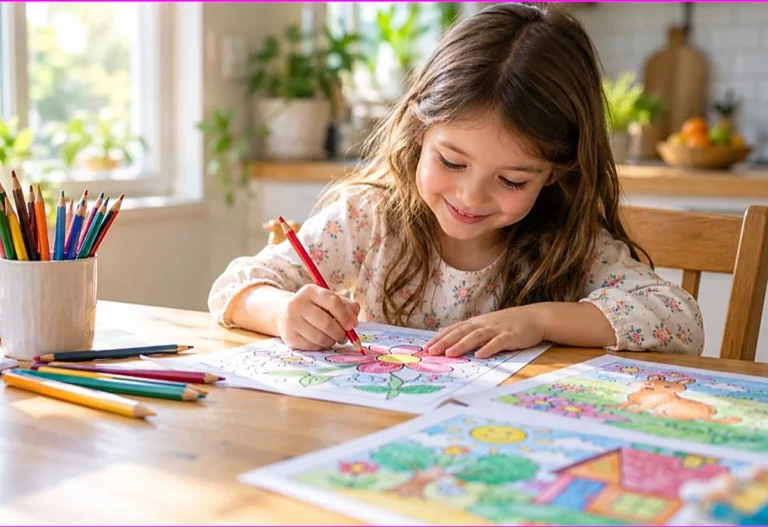
For children, coloring is quietly one of the most useful early activities, because it builds the hand skills that school will soon demand.
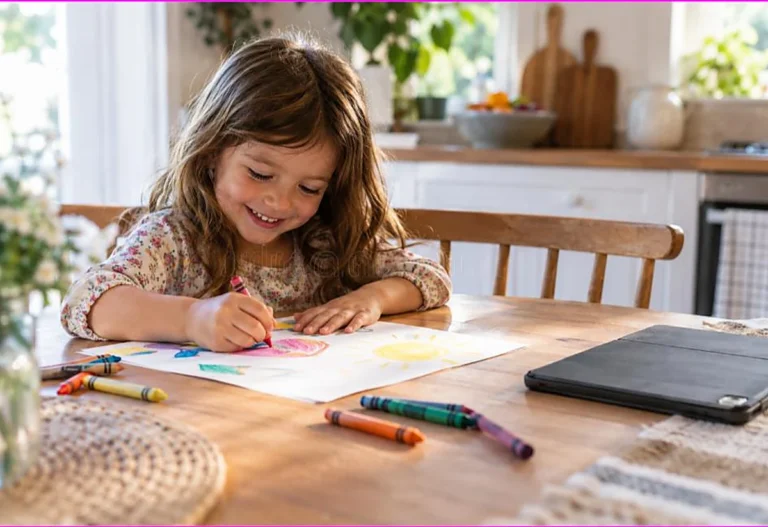
Holding and controlling a crayon strengthens the small muscles in the hand and fingers. Staying within the lines develops hand and eye coordination. Together these form the foundation for handwriting, which relies on the same control. This is why occupational therapists often use coloring to build pre writing skills.
Coloring also grows focus and patience. Finishing a page teaches a child to stick with a task and see it through, which carries into learning. Choosing colors invites creativity and self expression, and naming colors and objects builds early vocabulary. Our guide on the benefits of coloring for kids covers each of these in depth, and our guide on coloring and fine motor skills looks closely at the hand development side.
Just as valuable, coloring is calm and screen free. In a day full of bright screens, a quiet coloring session gives a child’s mind a rest and a chance to settle.
Benefits for adults
The idea that coloring is only for children faded years ago. Adults now color to manage stress, and the reason is simple.
Coloring gives the busy adult mind a single, low stakes task to rest on. Focusing on filling a pattern pulls attention away from the past and future, where most worry lives, and into the present moment. This is the same principle behind mindfulness, which is why coloring is sometimes called a gateway to meditation for people who find sitting still difficult.
Studies have linked coloring, especially structured designs like mandalas, to lower anxiety after a short session. Our guide on whether coloring is good for anxiety looks at that research, and our guide to mindful coloring shows how to get the calming effect on purpose.
Coloring also offers a creative outlet with no pressure to be good at art. You start with an outline, so there is no blank page to fear. That makes it an easy, affordable hobby, which our guide on whether coloring is a good hobby for adults explores.
Benefits for seniors
Coloring suits older adults well, and its benefits shift to match their needs.
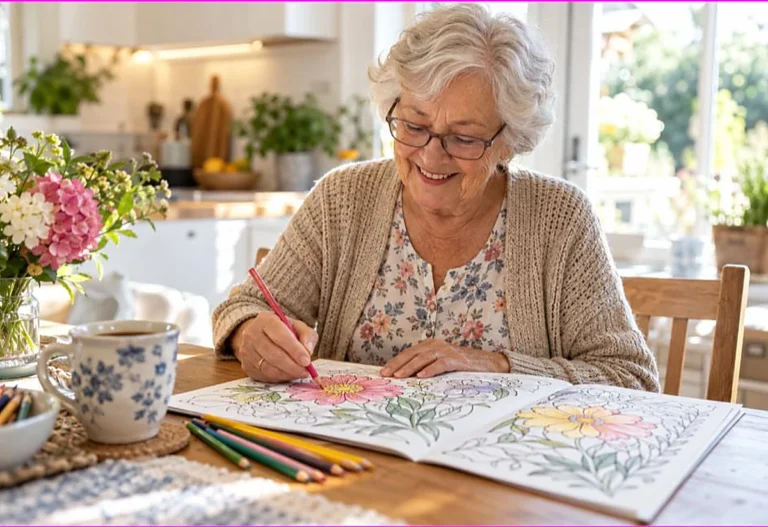
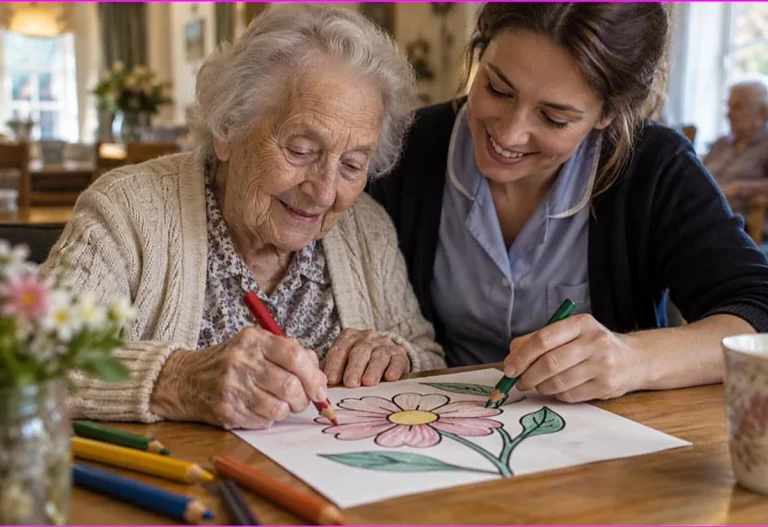
For seniors, coloring keeps the mind engaged and gives a sense of purpose and accomplishment. It exercises the small hand muscles and helps maintain dexterity, which naturally declines with age. The calming effect helps with mood, and coloring in a group adds a social element that many older adults value.
For those living with dementia, coloring can offer a soothing, familiar activity that reduces restlessness and gives a way to express themselves when words become hard. Simple designs with bold lines work best. Our guides on the benefits of coloring for seniors and coloring for dementia patients cover this group with the care it deserves.
The key with older adults is choosing the right pages: larger designs, bolder outlines, and easy grip supplies make the activity comfortable and rewarding.

Coloring and mental health
Across all ages, one thread runs through these benefits: coloring supports emotional wellbeing.
For children, it is a calm down tool that helps an upset child settle and self regulate. For teens and adults, it is a way to decompress and quiet anxious thoughts. For older adults, it lifts mood and eases restlessness. The mechanism is the same each time, a gentle, absorbing task that gives the mind a break.
It is worth being honest about the limits. Coloring is a helpful self care tool, not a treatment for a mental health condition. It sits alongside good sleep, movement, and professional support when needed, rather than replacing them. Used that way, it is a small, reliable way to feel a little calmer, and that is worth a great deal.
Coloring versus screen time
One benefit deserves its own mention, because it matters more each year: coloring is active and screen free.
Screens are passive. A child watching a video takes in images without doing anything with their hands or making choices. Coloring is the opposite. It puts a tool in the hand, asks for decisions, and produces something the child made. That active quality is what builds skills, while screens do not.
Swapping even part of a child’s screen time for coloring supports development and cuts overstimulation. Our guide on coloring versus screen time looks at how to make the swap without a fight. Coloring before bed is especially useful here, since it replaces late screen use with a calming wind down, as our guide on coloring before bed explains.
Getting the most from coloring
The benefits above come more easily with a few simple habits.
Match the page to the person. Simple, bold pages suit toddlers and seniors, while detailed designs engage older children and adults. The right level keeps the activity rewarding rather than frustrating.
Keep it pressure free. The value of coloring comes from the calm, absorbing process, not a perfect result. For children especially, praising effort rather than neatness protects the joy that makes them want to return to it.
Make it easy to reach. A folder of printed pages and a box of crayons within easy reach means coloring can happen whenever it helps, whether that is a restless afternoon or a stressful evening. Our collection of free printable coloring pages gives you pages for every age and mood.
What makes coloring different from other calming activities
Plenty of activities relax us, so it is fair to ask what coloring adds that they do not.
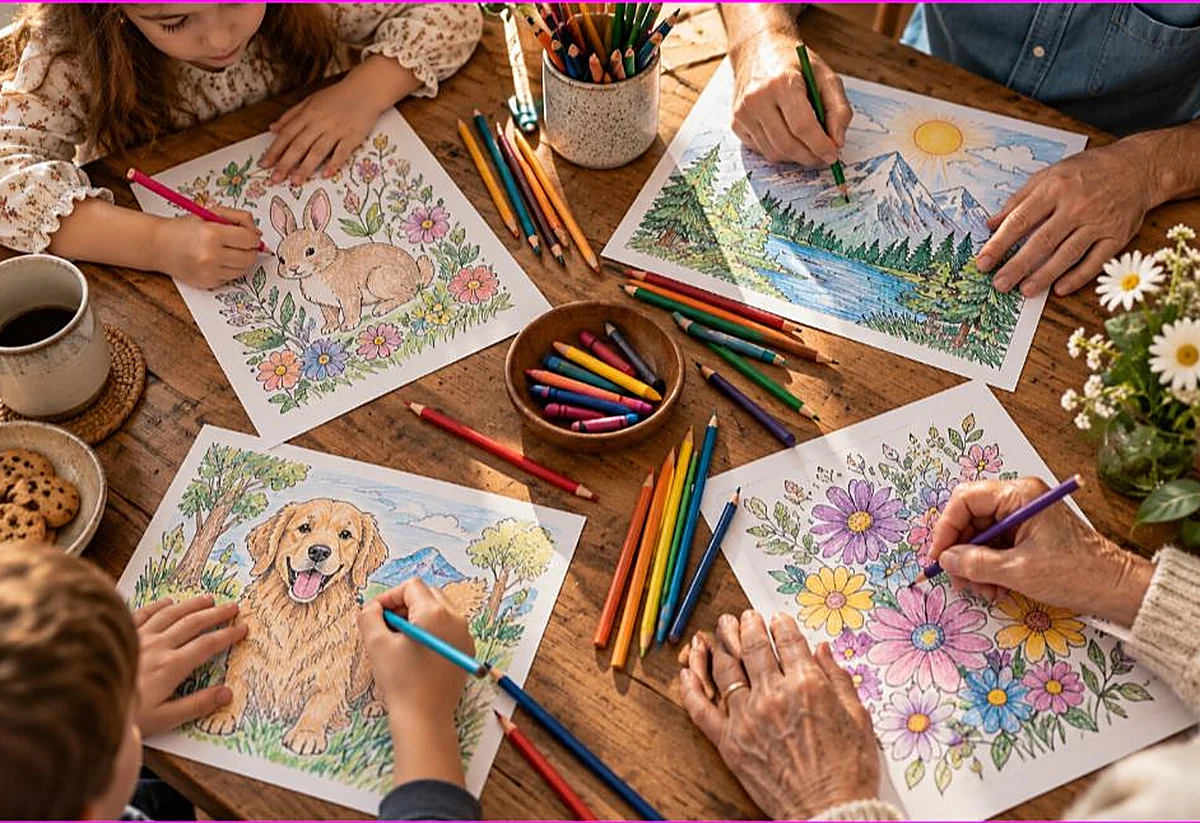
Coloring sits in a rare sweet spot. It occupies the hands and eyes, which many calming activities do not. It requires no skill to begin, unlike drawing or an instrument. It produces something finished, which gives a small sense of achievement that pure rest does not. And it works for almost any age, from a toddler to a grandparent, which few activities manage.
Compared to a screen, coloring is active and leaves you settled rather than drained. Compared to meditation, it gives the restless mind a task to hold, which makes the calm easier to reach. Compared to a craft that needs supplies and setup, it needs only a page and a pencil. This blend of low effort, real engagement, and a finished result is why coloring keeps its place across so many homes and classrooms.
How to choose the right pages for the benefit you want
The benefit you get shifts with the kind of page you choose, so matching the two helps.
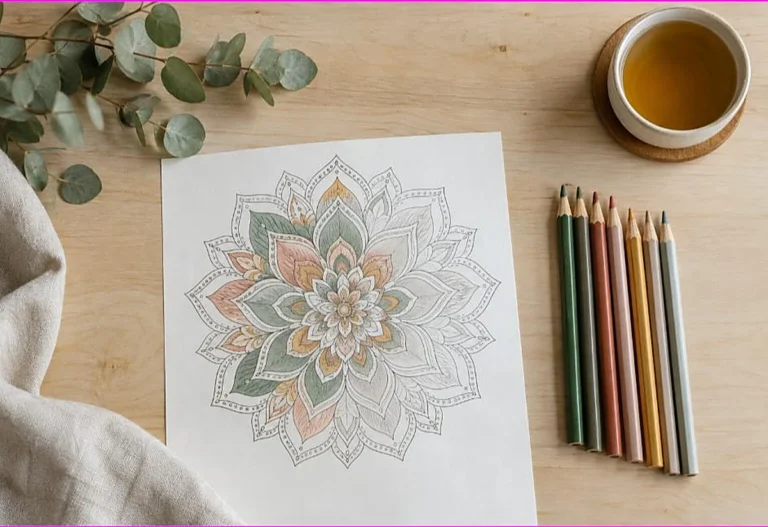
For calm and stress relief, reach for structured, repeating designs like mandalas and patterns. Their rhythm settles the mind, as our guide on the benefits of mandala coloring explains.
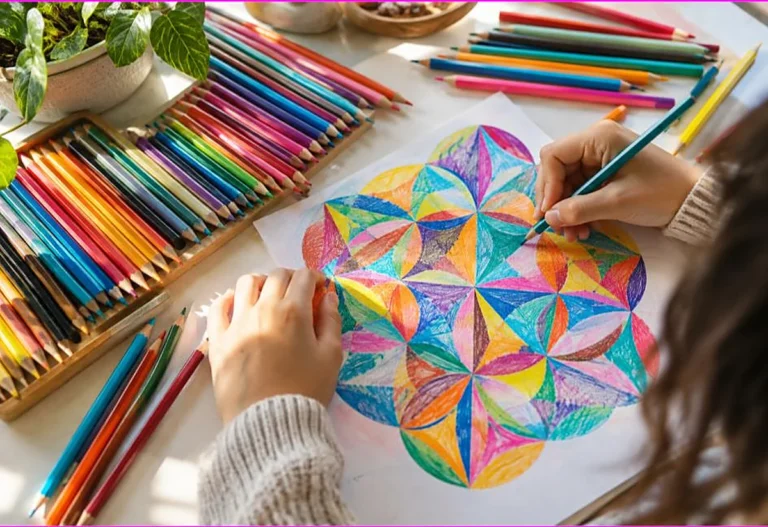
For a child’s skill building, choose pages with clear shapes sized to their stage: big and simple for toddlers, more detailed as they grow. For focus and absorption in an adult, detailed scenes reward slow attention. For seniors, bold outlines and larger areas keep the activity comfortable.
The single rule underneath all of this is fit. A page that matches the person’s age, mood, and goal delivers more benefit than a random page, because it keeps the activity rewarding rather than frustrating.

Building coloring into everyday life
The benefits above only arrive if coloring actually happens, so make it easy.
Keep a folder of printed pages and a box of supplies within easy reach, so coloring is a choice you can make in a spare moment rather than a project to set up. Tie it to a regular time, such as after school for a child or the evening wind down for an adult, so it becomes a habit rather than a rare event.
Keep it light and pressure free. The value lives in the calm, absorbing process, not a perfect page. Treat coloring as a small daily reset for the whole household, and its quiet benefits build steadily over time.
A short history of coloring as a wellbeing tool
Coloring for wellbeing is not a modern invention, which helps explain why it endures.
Coloring books for children appeared well over a century ago, valued from the start as a way to build hand skills and keep young minds engaged. The idea that coloring could calm adults gained wider attention in more recent years, when adult coloring books became a global trend and people rediscovered how soothing the activity could be.
The psychologist Carl Jung explored the mandala as a tool for focus and self reflection long before mandalas became popular coloring designs, which is part of why they feel so calming to fill. So when you color a mandala to unwind, you are drawing on an idea with deep roots. Our guide on what a mandala is covers that history.
Understanding this background makes the point clear: coloring has lasted because it works, across generations and for very different needs.
Frequently asked questions about benefits of coloring
Is coloring actually good for you?
Yes. Coloring lowers stress, improves focus, and builds fine motor and emotional skills. The calming effect works much like a light form of meditation, and the skill building is especially valuable for children.
What are the benefits of coloring for adults?
Coloring helps adults manage stress and anxiety by focusing the mind on a simple, present task. It offers a creative outlet with no pressure to be skilled, and it is an affordable, portable way to unwind.
Does coloring help with focus?
Yes. Coloring gives sustained practice at a single task, which gradually lengthens attention span in children and helps adults concentrate. Finishing a page also builds patience and persistence.
Is coloring good for mental health?
Coloring is a helpful self care tool that can ease anxiety and lift mood across all ages. It supports wellbeing but is not a treatment for mental health conditions, and it works best alongside other healthy habits.
At what age should children start coloring?
Most children begin scribbling with crayons around 12 to 18 months. Purposeful coloring develops between 2 and 3 years. Our guide on what age kids start coloring covers the stages.
The takeaway on benefits of coloring
Coloring earns its place across every stage of life. It calms the mind, sharpens focus, builds the hands, and gives a screen free way to create. The science backs what parents and teachers have long noticed: this simple activity does real good.
Ready to feel the benefits yourself or with your family? Browse our free printable coloring pages and pick a page for any age. Every one is free to download and print.