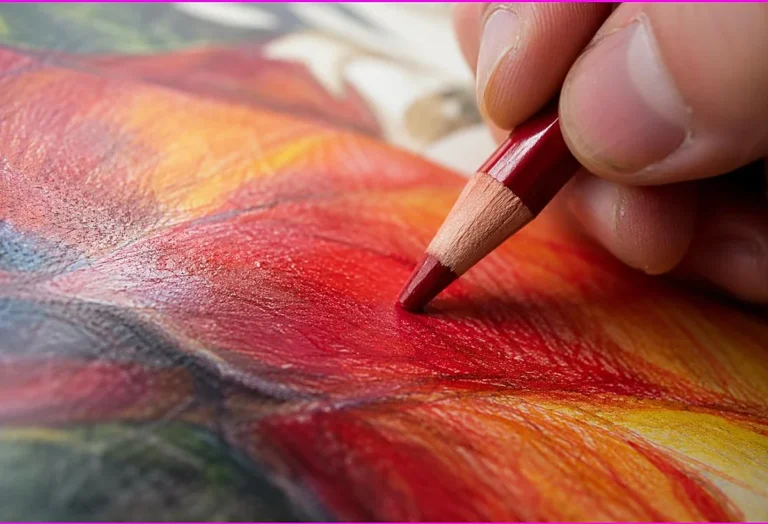
Macro close-up of richly layered and burnished colored pencil work with a glossy finish, colored pencil layering and burnishing

Colored Pencil Layering and Burnishing (For Rich, Smooth Color)

Quick answer Layering means building color in light, repeated passes so shades blend gradually; burnishing is a final firm pass — often with a light or colorless pencil — that presses those layers into a smooth, polished finish. Layer light to dark first, then burnish last. Together they give colored-pencil work rich, even color without…

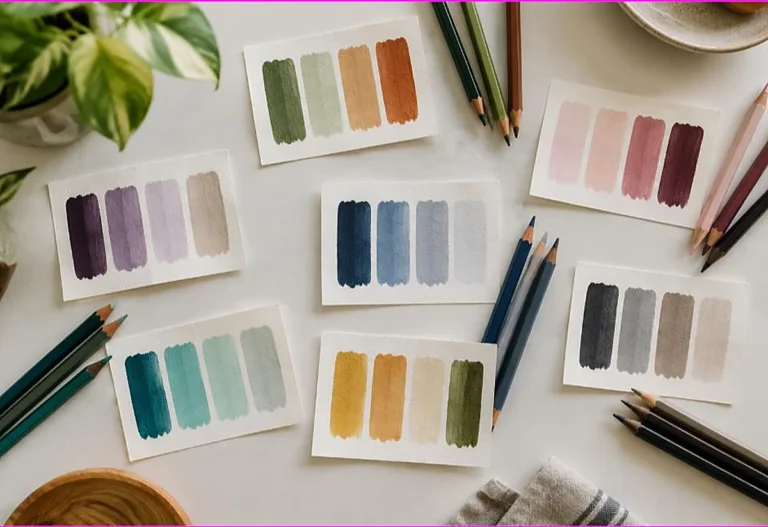
Several color-palette swatch cards showing harmonious color combinations with matching colored pencils, what colors go together

What Colors Go Together? (A Simple Cheat Sheet)

Quick answer Colors go together in predictable ways on the color wheel: complementary pairs (opposites like blue and orange) create bold contrast, while analogous colors (neighbors like blue, teal, and green) feel calm and harmonious. For coloring, pick one main color, one or two supporting shades, and a small accent — three to four colors…

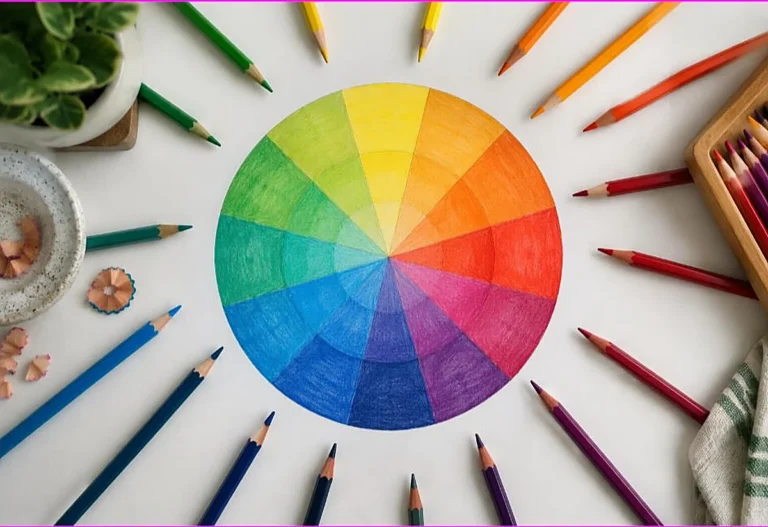
Hand-colored color wheel with colored pencils radiating around it, color theory basics for coloring

Color Theory Basics for Coloring (The Color Wheel and Harmonies)

Quick answer Color theory is the simple set of rules for how colors work together on the color wheel: primaries (red, yellow, blue) mix into secondaries, complementary colors sit opposite for contrast, and analogous colors sit side by side for harmony. For coloring, choosing a small, intentional palette from these relationships makes any page look…

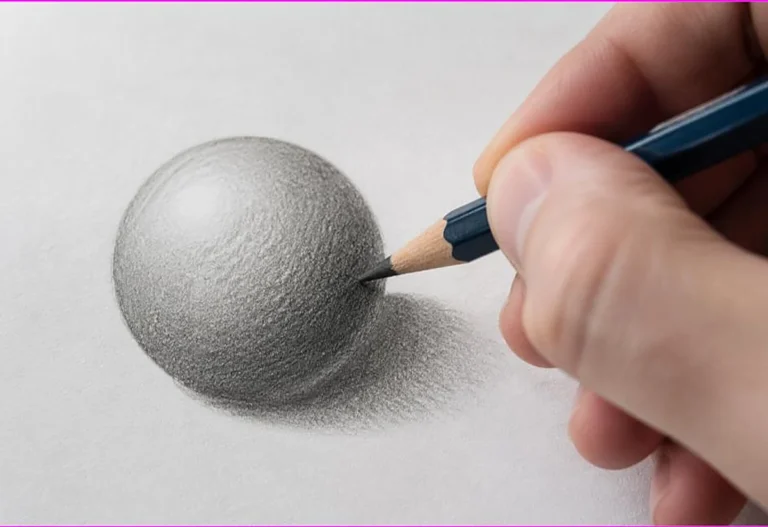
Close-up of a hand shading a sphere from light to dark with a pencil, how to shade a coloring page

How to Shade a Coloring Page (Shadows and Highlights)

Quick answer To shade a coloring page, decide where the light is coming from, then build darker tone on the areas farthest from it — usually edges, folds, and undersides. Press lightly and layer gradually so the color deepens smoothly instead of jumping. Keeping the lightest areas near your light source gives flat line art…

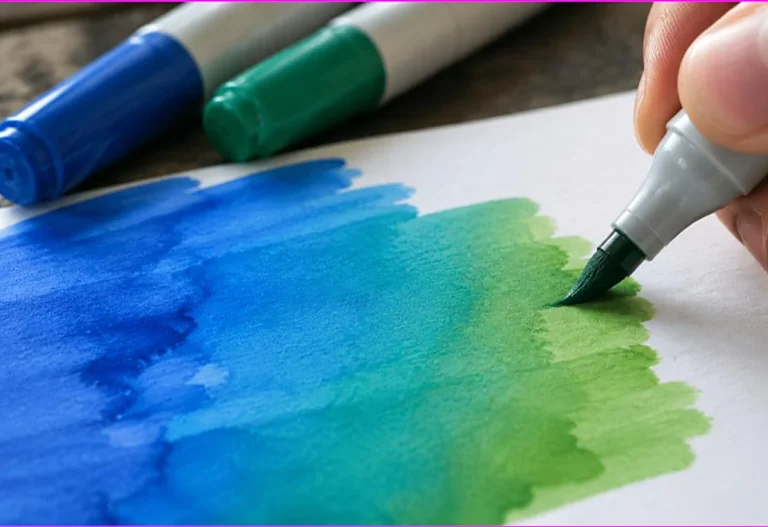
Close-up of markers blended into a smooth blue to green wet gradient on paper, how to blend markers

How to Blend Markers (Alcohol and Water-Based)

Quick answer To blend markers, work while the ink is still wet and move from light colors to dark. Lay the lighter shade down first, overlap the darker one into it, and feather the edge where they meet; a colorless blender marker smooths the transition further. Alcohol-based markers blend most seamlessly because the inks melt…

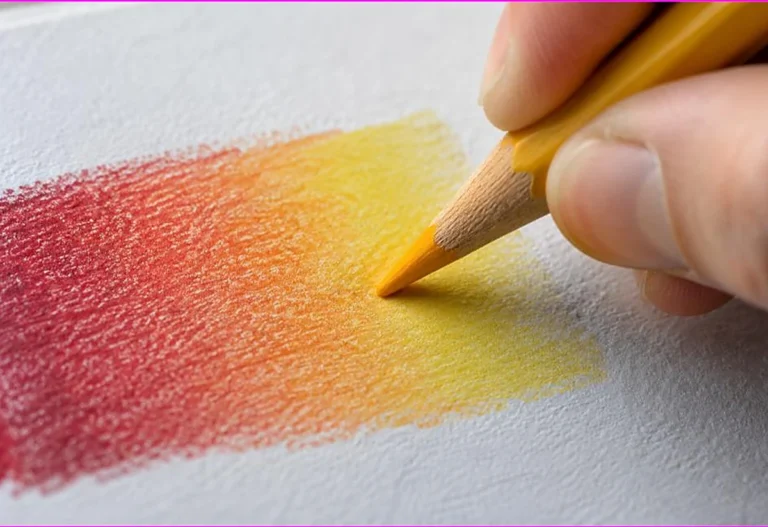
Close-up of colored pencils blended into a smooth red to yellow gradient on paper, how to blend colored pencils

How to Blend Colored Pencils (A Beginner’s Guide)

Quick answer To blend colored pencils, layer colors lightly and build them up in stages, working from light shades to dark. Overlap the colors where they meet and use small circular strokes to soften the transition. For the smoothest finish, go over the area with a colorless blender pencil or burnish with a white pencil,…

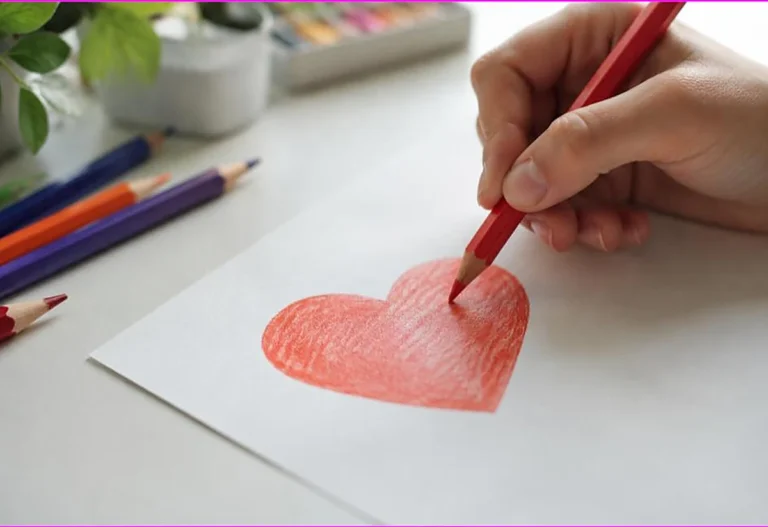
Hand filling a simple heart with even colored pencil strokes, coloring techniques for beginners

Coloring Techniques for Beginners (4 Skills That Make a Difference)

Quick answer The easiest techniques for beginners are outlining each shape before filling it, coloring in one direction with light even strokes, and layering gradually from light to dark. Start with a small palette, keep your pencils or markers sharp, and build color slowly so you can deepen tones without harsh lines. By the TheColoringPages.net…

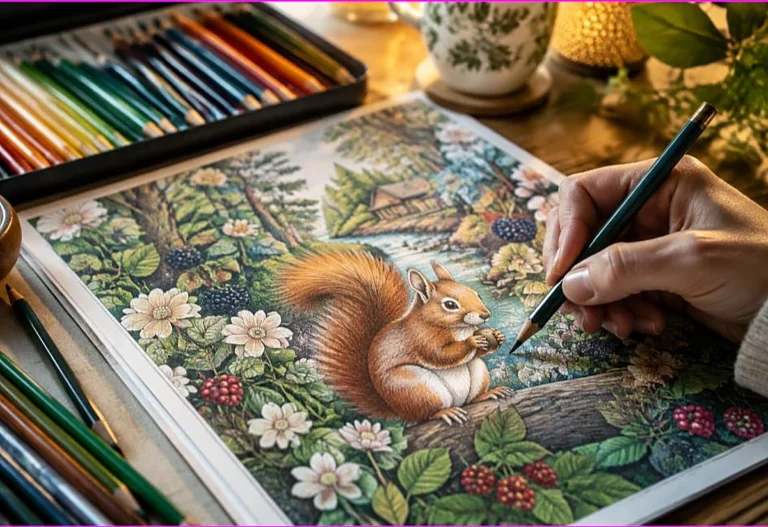
Skillfully colored intricate nature scene with smooth shading and a hand adding detail, how to color like a pro

How to Color Like a Pro: Techniques for Every Level

Quick answer The core coloring techniques are layering (building color in light passes), blending (smoothing where two colors meet), shading (adding darker tone away from the light), and burnishing (a firm final pass for a polished finish). Working in that order — light strokes first, detail last — turns flat line art into artwork with…