Coloring in Occupational Therapy for Kids
Quick answer
Occupational therapists use coloring to build the fine-motor and visual-motor skills children need for daily tasks and handwriting. Gripping the crayon strengthens hand muscles, staying inside the lines develops control and hand-eye coordination, and the focused activity supports attention and self-regulation.
By the TheColoringPages.net team. Reviewed for accuracy, September 2026.
This guide to Occupational Therapy gives clear, practical answers, drawing on occupational therapy and years of hands on coloring.
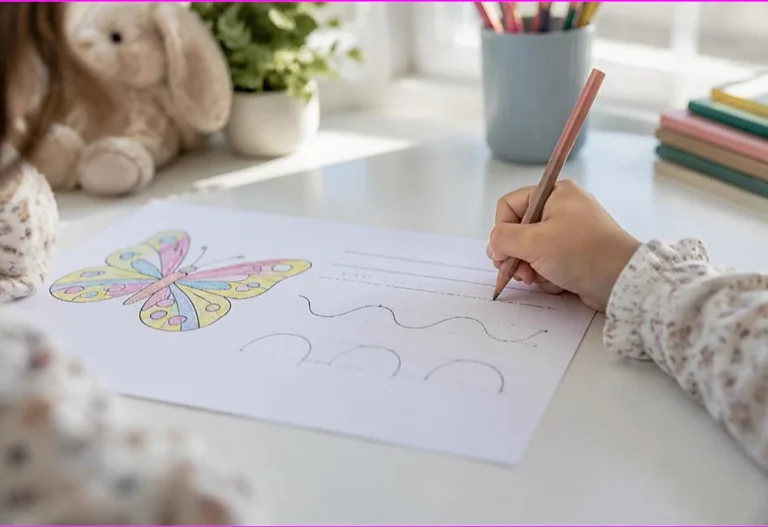
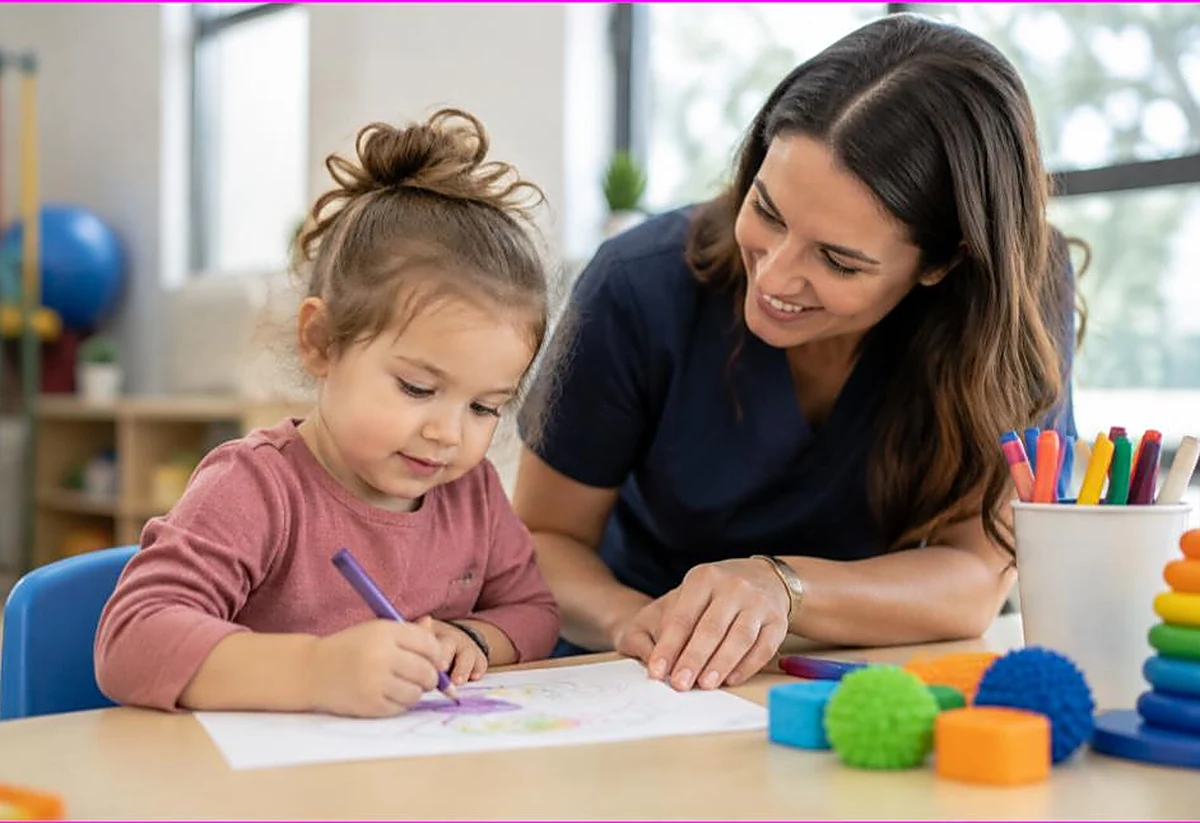
Occupational therapists use coloring far more than most parents realize. Behind the simple activity lies a powerful tool for building the fine motor, visual, and hand skills children need for writing, self care, and daily life. When a therapist hands a child a crayon, they are working on specific goals, and understanding how they do it can help you support your own child at home.
This guide explains why occupational therapists use coloring, what skills it targets, and how the activity can be adapted for different needs.
Quick answer: Occupational therapists use coloring to build fine motor control, hand strength, bilateral coordination, and visual motor skills. Choosing the right page size, grip, and positioning turns simple coloring into targeted skill practice. Coloring is enjoyable and low pressure, which makes it an effective tool for helping children develop the hand skills they need.

Why occupational therapists use coloring
Occupational therapy helps children develop the skills they need for everyday tasks, and coloring builds many of them at once.
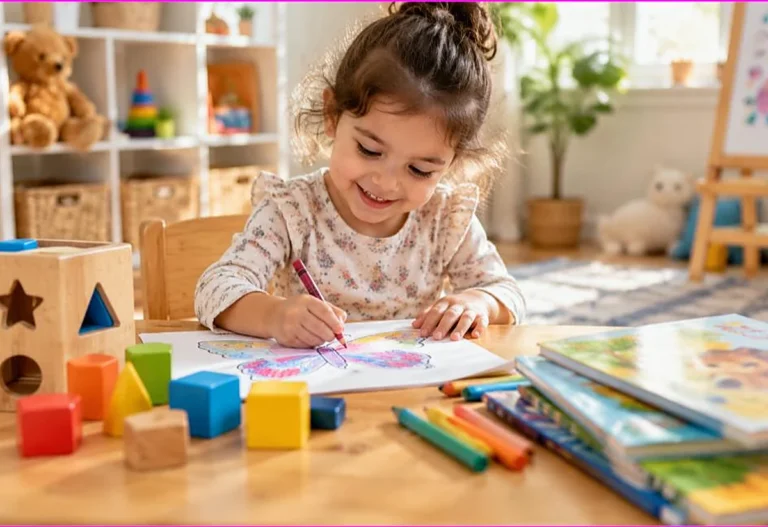
Occupational therapists, often called OTs, work on the fine motor and hand skills that daily life requires: holding a pencil, using scissors, doing up buttons, and eventually writing. Coloring builds these skills through an activity children enjoy, which makes it a natural fit for therapy. A child is far more willing to practice hand skills through fun coloring than through repetitive exercises.
Coloring is also highly adaptable, which OTs value. The same activity can be adjusted, through page size, tool choice, and positioning, to target specific skills and suit a child’s level. This flexibility lets a therapist use coloring to work on exactly what a child needs, from hand strength to precision.
So coloring is not just a break in an OT session. It is a purposeful tool, chosen because it builds important skills in an enjoyable, adaptable way. Understanding this helps parents see the developmental value in coloring at home too. Our guide on coloring and fine motor skills covers the hand development involved.
Skills coloring targets
Occupational therapists use coloring to build a specific set of skills, each important for a child’s development.
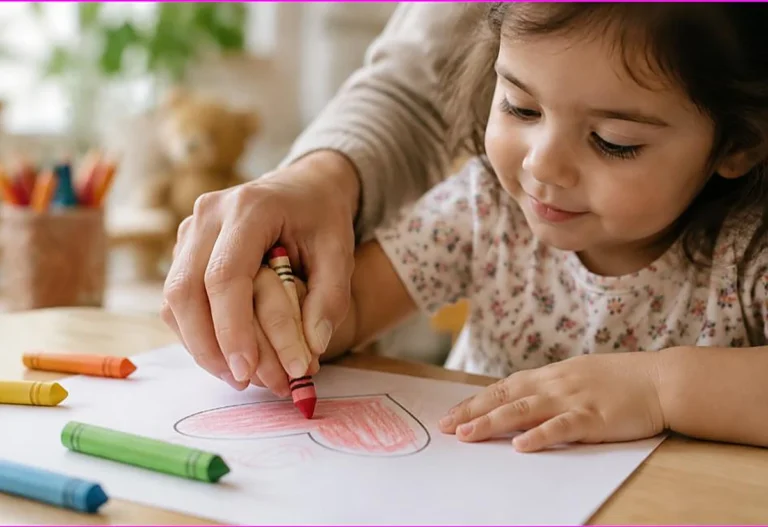
Fine motor control is the precise command of the small hand muscles. Coloring builds it as a child guides the crayon, changes direction, and fills shapes. This control underlies writing and many daily tasks. Hand strength develops through the pressure a child applies to make color, building the endurance writing requires.
Bilateral coordination, using both hands together, develops as one hand colors while the other steadies the paper. This skill is essential for cutting, tying shoes, and writing. Visual motor integration, the coordination of what the eyes see with what the hands do, develops as a child guides the crayon along lines and within shapes.
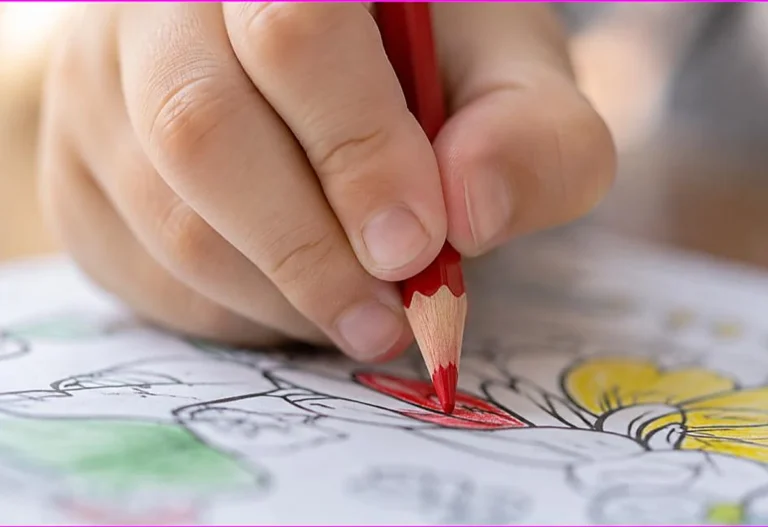
Coloring also builds the tripod pencil grip, focus, and hand and eye coordination. All of these are foundations for writing and self care skills. A single coloring activity, chosen and adapted well, can work on several of these at once, which is why OTs rely on it. Our guide on coloring and handwriting readiness covers the writing connection.
Adapting coloring for different needs
One of the reasons OTs use coloring is how easily it adapts to a child’s specific needs.
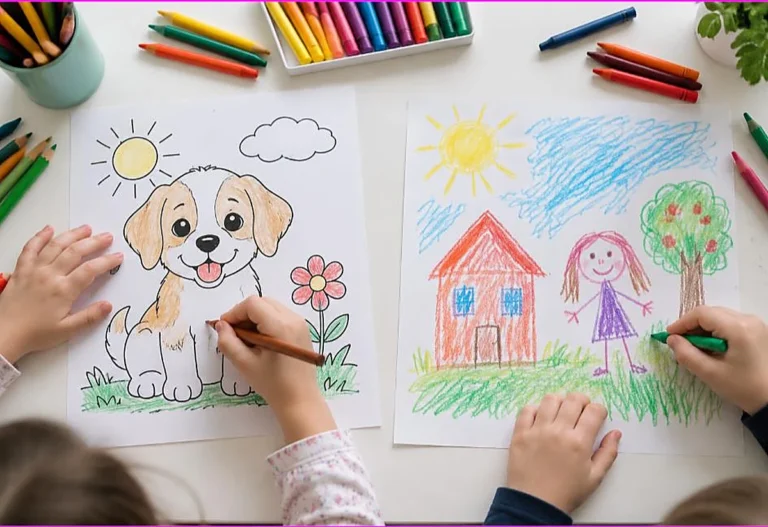
Page size can be adjusted to target skills. Larger pages with big shapes suit children building basic control and hand strength, while smaller, more detailed pages challenge precision and fine control. A therapist chooses the size to match the child’s level and goal. Our guide on how to resize a coloring page shows how to adjust page size.
Tool choice matters too. Chunky crayons suit children building grip, broken crayons encourage the finger grip that leads to a good pencil grasp, and standard tools challenge more developed hands. Vertical surfaces, like coloring on a page taped to a wall, build wrist stability and shoulder strength, which some children need.
Positioning can be adapted as well. Coloring on a slanted surface encourages a good wrist position, and how a child sits affects their stability and control. By adjusting page, tool, and position, a therapist grades the activity to a child’s exact needs, which is the heart of how OTs use coloring.

Grading the activity
Grading means adjusting an activity’s difficulty to match a child’s ability, and it is central to how OTs use coloring.
To make coloring easier, an OT might use a larger page with bigger shapes, a chunkier crayon, and simpler designs. This lets a child succeed and build confidence while working on basic skills. As the child develops, the activity is graded up: smaller pages, more detailed designs, finer tools, and more precise coloring within lines.
This gradual increase in challenge keeps a child working at the right level, neither frustrated by something too hard nor unchallenged by something too easy. It matches the child’s growing skills, building them step by step. This careful grading is what turns coloring from a simple pastime into targeted therapy.
Parents can apply the same idea at home. Offering pages and tools that match your child’s current level, and increasing the challenge as they grow, keeps coloring building skills effectively. Our collection of free printable coloring pages for kids spans simple to detailed designs, making it easy to grade the challenge.
Signs a child may need extra support
Coloring can sometimes reveal that a child might benefit from occupational therapy support.
Most children develop fine motor skills naturally through coloring and play, and a wide range of development is normal. There is no need to worry about small differences or a child reaching a stage a little later than others. Development is not a race.
That said, some signs may suggest a child could benefit from an assessment. These include significant difficulty gripping a crayon well past the typical age, a hand that tires very quickly, avoiding coloring and other fine motor activities consistently, or control that seems well behind their stage. A teacher or doctor may also raise a concern.
If you notice these signs, it is worth mentioning to your pediatrician, who can advise whether an occupational therapy assessment would help. An OT can identify any difficulties and provide targeted support, often with coloring as one of the tools. For most children, though, coloring simply builds skills naturally, with no concern needed. Our guide on coloring and child development covers typical development.
Supporting OT goals at home
If your child sees an occupational therapist, coloring at home can support the goals they are working on.
Ask the therapist how you can carry over their strategies into home coloring. They may suggest particular page sizes, tools, positions, or approaches that build the specific skills your child is working on. Following this guidance turns everyday coloring into practice that reinforces therapy, which helps your child progress.
Share what you notice at home too. If certain pages, tools, or setups work especially well for your child, tell the therapist, since your observations help them tailor their approach. This partnership between home and therapy makes coloring more effective as a tool for building your child’s skills.
Keep home coloring enjoyable and pressure free, even while supporting OT goals. A child who enjoys coloring practices more, which helps their skills develop. The therapy value comes through the enjoyable activity, not through turning it into a chore. Our collection of free printable coloring pages for kids gives you a range of designs to support whatever skills your child is building.
Coloring for children with specific needs
Occupational therapists often use coloring with children who have particular developmental needs, and it suits many of them well.
For children with fine motor delays, coloring builds the hand strength, grip, and control they need, in an enjoyable form that encourages practice. For children with autism, coloring can be a calming, predictable activity that also builds skills, as our guide on coloring for kids with autism covers. For children with sensory needs, coloring offers gentle, grounding input.
The key with any child is to adapt coloring to their needs and follow their lead. A therapist chooses pages, tools, and approaches that suit the individual child, and keeps the activity enjoyable and pressure free. This individualized approach is what makes coloring effective for children with a wide range of needs.
Every child is different, so what works for one may not suit another. An occupational therapist can assess a child’s specific needs and use coloring, among other tools, to build their skills. For parents, the takeaway is that coloring is a valuable, adaptable activity that supports development for many children. Our guide on the benefits of coloring for kids covers the wider gains.

Coloring positions and setups OTs recommend
The way a child sits and where the paper is placed affect how much coloring builds their skills, which is why OTs pay attention to setup.
A stable, well supported sitting position helps a child control the crayon. Feet flat on the floor or a support, a good chair height, and a firm surface at the right height all give a child the stability they need for controlled coloring. A child who is slumped or unsupported struggles to color well, so a good setup matters more than people realize.
Vertical and slanted surfaces are useful setups OTs often recommend. Coloring on a page taped to a wall or an easel builds wrist stability, shoulder strength, and a good wrist position, which support writing. A slanted surface, like a slanted board or a binder, encourages the wrist to bend back slightly, which is the position writing uses. These simple changes turn ordinary coloring into targeted practice.
At home, you can apply these ideas easily. Make sure your child colors at a comfortable, supported position, and occasionally offer coloring on a vertical or slanted surface for variety and added benefit. These small setup choices help coloring build the hand and posture skills your child needs. Our guide on how to print coloring pages at home helps you prepare pages for any setup.
Frequently asked questions about occupational therapy
Why do occupational therapists use coloring?
Occupational therapists use coloring to build fine motor control, hand strength, bilateral coordination, and visual motor skills, all foundations for writing and daily tasks. Coloring is enjoyable and highly adaptable, which makes it an effective therapy tool.
What skills does coloring build in occupational therapy?
Coloring builds fine motor control, hand strength, bilateral coordination, visual motor integration, pencil grip, focus, and hand and eye coordination. A single coloring activity, adapted well, can target several of these skills at once.
How can coloring be adapted for a child’s needs?
Coloring can be adapted through page size, tool choice, and positioning. Larger pages and chunky crayons suit children building basic skills, while smaller pages and finer tools challenge more developed hands. This grading matches the activity to the child.
When should I consider occupational therapy for my child?
If your child struggles significantly to grip a crayon past the typical age, tires very quickly, avoids fine motor activities, or shows control well behind their stage, mention it to your pediatrician, who can advise whether an assessment would help.
How can I support my child’s OT goals through coloring at home?
Ask your child’s therapist how to carry over their strategies into home coloring, such as particular page sizes, tools, or positions. Keep home coloring enjoyable and pressure free, and share what you notice with the therapist.
The takeaway on occupational therapy
Occupational therapists use coloring as a purposeful tool to build fine motor control, hand strength, bilateral coordination, and visual motor skills. By adapting page size, tool choice, and positioning, they grade the activity to each child’s needs, turning simple coloring into targeted skill practice. Parents can apply the same ideas at home, offering pages and tools that match their child’s level and keeping coloring enjoyable. Through this adaptable, engaging activity, children build the hand skills they need for writing and daily life.
Ready to build your child’s skills the fun way? Browse our free printable coloring pages for kids, from simple to detailed. Every one is free to download and print. For ready made packs, browse our educational coloring pages.