Best Colored Pencils for Kids (Non-Toxic, Easy to Grip, Great Color)
Quick answer
The best colored pencils for kids are chunky, break-resistant, and pre-sharpened, with bright, easy-to-blend color and non-toxic leads. Triangular or thick barrels are easier for small hands to grip, and washable or erasable options help with mess. A set of 12–24 colors is plenty to start.
By the TheColoringPages.net team. Reviewed for accuracy, September 2026.
This guide to Colored Pencils for Kids gives clear, practical answers, drawing on colored pencils and years of hands on coloring.
Colored pencils are one of the best coloring tools for children. They give more control than crayons, do not bleed like markers, and help build the hand skills kids need for writing. But not all pencils suit small hands. The right ones are safe, easy to grip, and color brightly without heavy pressure.
This guide explains what to look for in colored pencils for kids, which types suit different ages, and how to choose a set that your child will actually enjoy using. The right pencils turn coloring into an activity a child returns to, which is where all the developmental benefit comes from.
Quick answer: The best colored pencils for kids are non toxic, break resistant, and easy to grip. Pre sharpened triangular or chunky pencils suit small hands, and soft, bright cores color smoothly without heavy pressure. Choose the type by age: chunky pencils for preschoolers, standard pencils for school age children.

What to look for in kids’ colored pencils
A few qualities separate good children’s pencils from frustrating ones.
Safety comes first. Choose non toxic pencils, ideally marked with a safety certification. Children put things near their mouths, so non toxic materials matter. Reputable brands meet these standards.
Break resistance matters next. Children press hard and drop pencils, and cheap pencils with brittle cores snap constantly, which wastes the pencil and frustrates the child. Look for pencils described as break resistant or with bonded, durable cores.
Grip suits small hands. Triangular or chunky barrels are easier for little fingers to hold and encourage a good grip. Thin, standard pencils can be harder for young children to control.
Finally, look for soft, bright cores. A soft core lays down color easily, so a child gets a satisfying, vivid result without pressing hard. Hard, faint pencils discourage young colorists, who then think coloring is not fun.
Best pencils for toddlers and preschoolers
The youngest children need the chunkiest, most forgiving pencils.
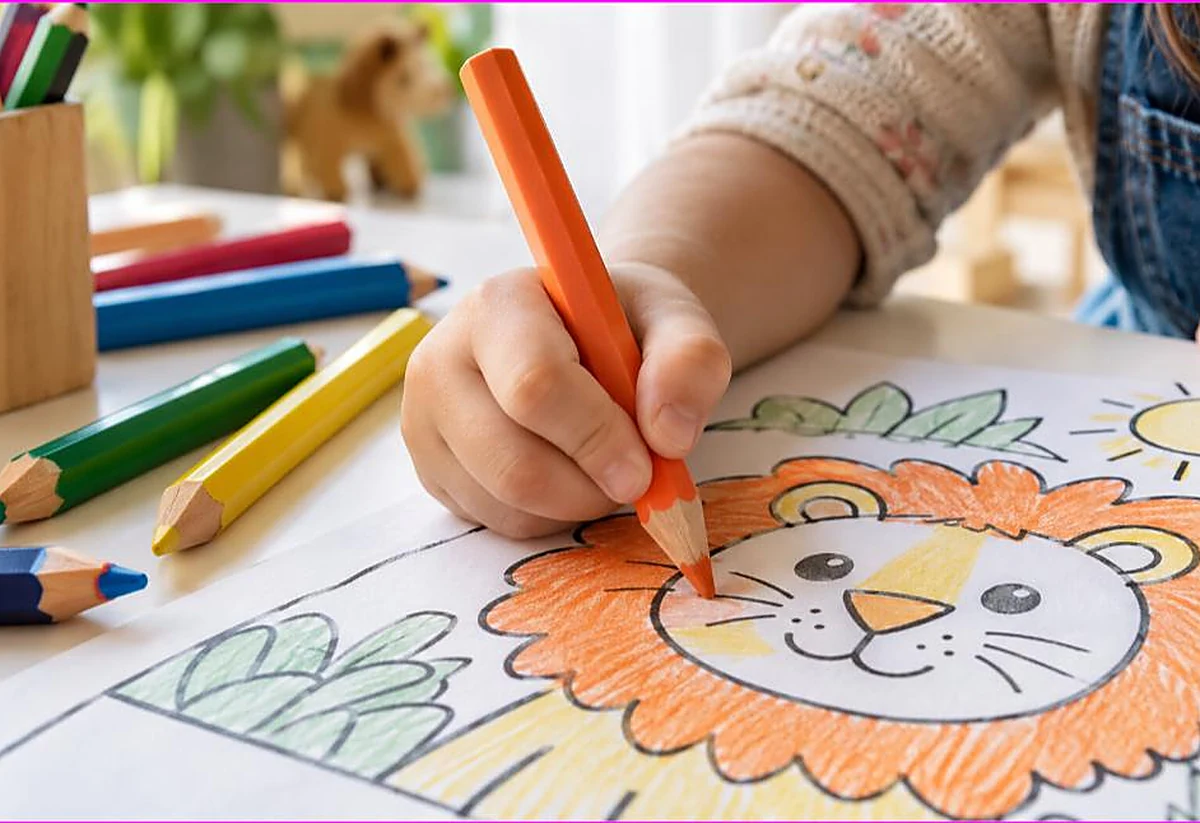
For toddlers and preschoolers, choose jumbo or chunky triangular colored pencils. The thick barrel is easy for a developing grip to hold, and the triangular shape encourages the correct finger placement that leads to a good pencil grip later. These pencils are also more break resistant, since a thick core survives heavy little hands.
Pre sharpened pencils save frustration, since young children cannot sharpen their own and lose patience when a pencil will not color. Some brands make chunky pencils with extra soft cores that color brightly with almost no pressure, which suits weak young grips.
At this age, the goal is enjoyment and grip building, not detailed coloring. A small set of bright, chunky, break resistant pencils is all a preschooler needs. Our guide on coloring for toddlers covers this stage, and our guide on how to hold a crayon covers grip.
Best pencils for school-age children
Once children reach school age, they can handle standard pencils and enjoy more color and detail.
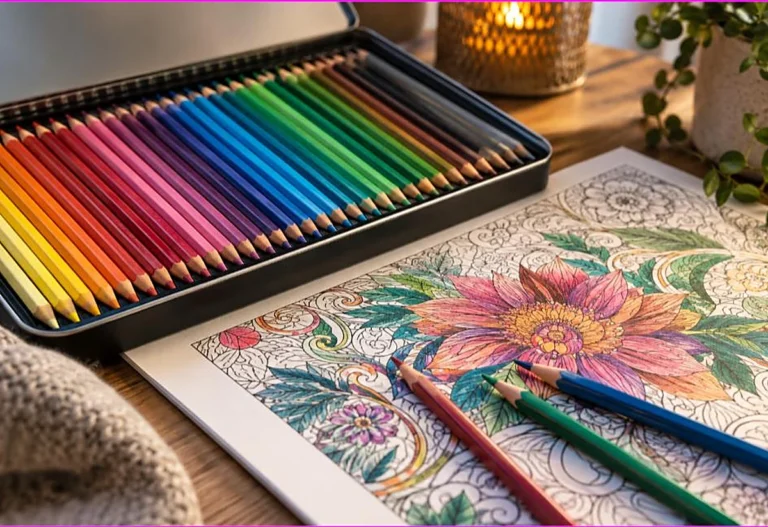
For children around five and up, standard sized colored pencils work well, and a larger color range becomes worthwhile as they color more detailed pages. Look for soft cores that color smoothly and a set of twenty four or more colors, which gives enough variety to keep coloring interesting.
Break resistance still matters, since school age children are not gentle, but the barrel can be standard width now that their grip has matured. Some children still prefer triangular barrels for comfort, which is fine.
At this age, colored pencils support real skill building, from staying in the lines to early blending. A good set encourages a child to color more, which builds fine motor control and focus. Our guide on the benefits of coloring for kids covers these gains.
Best value sets
You do not need expensive pencils for children, so here is how to get good value.
Familiar brands like Crayola make reliable, non toxic, affordable pencils that suit most children well. Their kids sets balance quality and price and are widely available. For chunky preschool pencils, look for jumbo triangular sets from trusted kids brands.
Larger sets often cost less per pencil and give more colors, which children enjoy. A set of around twenty four to fifty colors is plenty for most kids and keeps coloring varied without overwhelming them.
Avoid the very cheapest unbranded pencils, which often have hard, faint cores that break easily and color poorly. A slightly better set costs little more and colors far better, which makes coloring more enjoyable and the pencils last longer.

Colored pencils versus crayons for kids
Parents often wonder whether to give a child pencils or crayons. Both have a place.
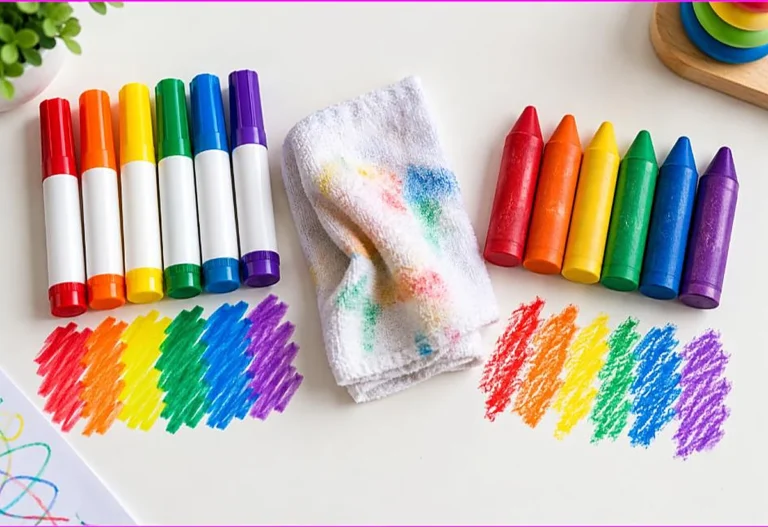
Crayons are best for the youngest children, since they are cheap, durable, and need no sharpening. They suit toddlers building their first grip. Colored pencils suit slightly older children who want more control and brighter, more precise color, and they help develop the pencil grip used for writing.
Many families use both. Crayons for quick, casual coloring and the youngest children, and colored pencils as a child grows and wants to color more carefully. There is no need to choose only one. Our guide on crayons versus markers versus colored pencils compares all three.
The move from crayons to pencils often happens naturally as a child’s hand control improves and they want to color within lines and add detail.
Caring for kids’ colored pencils
A little care makes children’s pencils last longer, which saves money and frustration.
Sharpen pencils gently with a good sharpener, since forcing a dull or cheap sharpener snaps the core. A quality sharpener that matches the pencil size, especially for chunky pencils, which need a jumbo sharpener, prevents most breakage. Keep pencils in a box or case so points stay intact and pencils do not get lost.
Teach children to color with light pressure, which both protects the pencils and gives smoother color. Heavy pressing breaks cores and does not improve the result. Storing pencils out of extreme heat keeps the cores in good condition.
With this simple care, a set of kids pencils lasts a long time. Since children color often, durable, well cared for pencils are a good investment. Our collection of free printable coloring pages for kids gives them plenty to color.
Introducing colored pencils to a child
The way you introduce colored pencils shapes whether a child takes to them, so a gentle start helps.
Begin when your child shows interest in more control than crayons offer, often around preschool age. Sit with them and show how a pencil colors, then let them explore freely. There is no need for lessons. Simply having good pencils and pages available invites a child to use them. Pre sharpened, soft, bright pencils give quick, satisfying results that encourage a child to keep going.
Start with simple pages that have large areas, so a young child can fill them without frustration. As their control grows, offer more detailed pages that reward the precision pencils allow. Matching the page to their stage keeps coloring rewarding rather than discouraging. Our collection of free printable coloring pages for kids spans simple and detailed designs.
Keep the mood light and praise effort, not neatness. A child who enjoys coloring will do it often, which is exactly how they build the hand skills and focus that pencils help develop. The goal is a happy colorist, not a perfect page. Let your child set the pace and choose their colors, and their confidence will grow alongside their skill.

How colored pencils help school readiness
Beyond fun, colored pencils quietly prepare children for school in ways worth knowing.
Coloring with pencils builds the pencil grip and hand control that writing requires. Because a colored pencil is held much like a writing pencil, using one is direct practice for holding a pencil to write. Staying within lines, which pencils allow better than crayons, builds the precision that letter formation needs. Our guide on coloring and handwriting readiness covers this link.
Colored pencils also support focus and patience, since detailed coloring takes time and attention. A child who colors a picture carefully is practicing the sustained focus that classroom tasks demand. And choosing and applying colors exercises decision making and creativity.
These school ready skills come through an activity children enjoy, which is the beauty of it. A good set of colored pencils is not just for fun. It is a simple, enjoyable tool that helps prepare a child for writing and learning. Our guide on the benefits of coloring for kids covers the full range of gains.
Watercolor and erasable pencils for kids
Beyond standard colored pencils, a couple of special types can add fun for children, so they are worth knowing.
Watercolor pencils color like normal pencils, but when you brush water over the color, it blends into a soft, painted look. Children often love the magic of watching their coloring turn into watercolor with a wet brush. They give two activities in one, coloring and painting, which keeps things fresh. The trade off is that they need water, a brush, and heavier paper that will not buckle, so they suit slightly older, supervised children rather than the youngest toddlers.
Erasable colored pencils are another option some children enjoy. They let a child rub out a color and try again, which removes the frustration of a mistake and encourages experimenting. This can build confidence in a child who worries about getting it wrong, though the color is sometimes a little lighter than standard pencils.
Neither type is necessary to start. Standard colored pencils cover everything a child needs. But once a child enjoys coloring, watercolor or erasable pencils can add variety and keep their interest, which is worth considering as a next step. Our collection of free printable coloring pages for kids works well with any of these pencils, so you can try them on pages your child already loves.
Frequently asked questions about colored pencils for kids
What are the best colored pencils for kids?
The best are non toxic, break resistant, and easy to grip, with soft, bright cores. Chunky triangular pencils suit preschoolers, while standard pencils suit school age children. Familiar brands like Crayola are reliable and affordable.
What colored pencils are best for toddlers?
Jumbo or chunky triangular pencils are best for toddlers. The thick barrel suits a developing grip, the triangular shape encourages correct finger placement, and the durable core survives heavy little hands.
Are colored pencils or crayons better for young children?
Crayons are best for the youngest, since they are durable and need no sharpening. Colored pencils suit slightly older children who want more control and brighter color. Many families use both.
How many colors should a kids’ pencil set have?
A set of around twenty four colors is plenty for most children, giving enough variety without overwhelming them. Larger sets add more colors and often cost less per pencil, which children enjoy. That said, a very large box can overwhelm a young child, so a moderate set that they can manage is often the happier choice for the youngest colorists.
Are cheap colored pencils worth it?
The very cheapest unbranded pencils often have hard, faint cores that break easily and color poorly. A slightly better set from a familiar brand costs little more, colors far better, and lasts longer.
The takeaway on colored pencils for kids
The best colored pencils for kids are non toxic, break resistant, easy to grip, and soft enough to color brightly without heavy pressure. Choose chunky triangular pencils for preschoolers and standard pencils for school age children, from a reliable brand. Care for them with gentle sharpening and light pressure, and they will support your child’s coloring and hand skills for a long time.
Ready to put those pencils to use? Browse our free printable coloring pages for kids for every age and interest. Every one is free to download and print, ready for whatever pencils you choose.