How to Color With Markers Without Bleeding Through
Quick answer
To stop markers bleeding through, color on thicker paper or cardstock, slip a scrap sheet underneath to catch any bleed, and use lighter pressure with quick strokes rather than soaking one spot. For heavy marker work, marker or mixed-media paper is made to handle the ink without ghosting to the next page.
By the TheColoringPages.net team. Reviewed for accuracy, September 2026.
This guide to Markers Without Bleeding gives clear, practical answers, drawing on marker pens and years of hands on coloring.
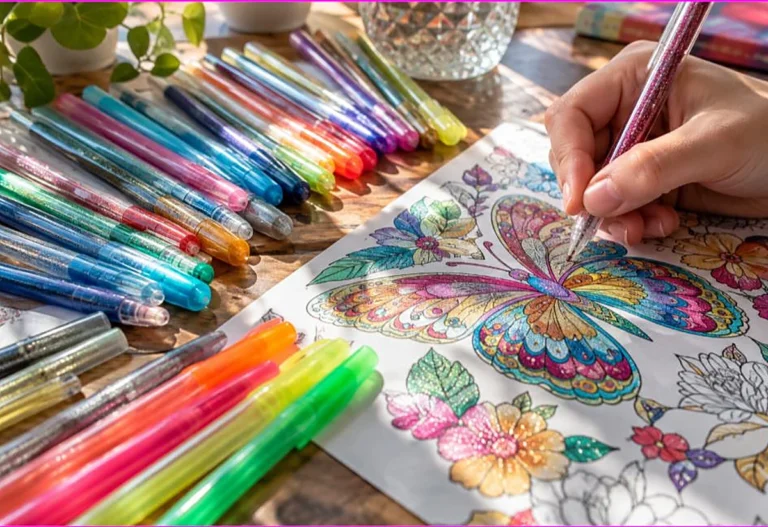
Markers give the boldest, brightest color of any coloring tool, but they come with one big frustration: bleed through. You color a lovely page, then turn it over to find the ink has soaked through and marked the page behind, or the table underneath. The good news is that bleed through is easy to prevent once you know the causes and the fixes.
This guide explains why markers bleed, then walks through every practical way to stop it, so you can enjoy bold marker color with clean results. None of them are difficult, and most cost little or nothing to put in place.
Quick answer: Prevent marker bleed through by using thicker paper, 120 gsm or cardstock, placing a scrap sheet behind the page, coloring in light layers instead of soaking the paper, and choosing water based markers for thin paper. Test in a corner first. These steps stop ink reaching the surface below and keep your pages clean.

Why markers bleed through
Understanding the cause makes the fixes obvious, so start here.
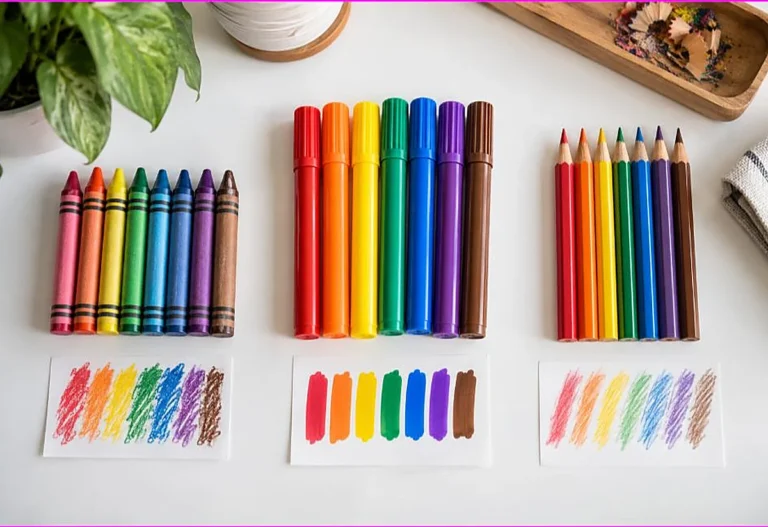
Markers work by laying wet ink onto the paper. If the paper is thin, the ink soaks all the way through to the other side and beyond, onto whatever is underneath. This is bleed through. It is worst with wet, free flowing inks and thin paper, and it does not happen at all with dry tools like crayons and colored pencils.
Two things drive bleed through: the wetness of the marker and the thinness of the paper. Alcohol markers are very wet and bleed readily. Water based markers are less wet and bleed less. Thin copy paper offers little to stop the ink, while thick paper absorbs and holds it. Every fix below works by reducing the wetness reaching the far side, or by giving the ink more paper to soak into before it breaks through. Keep those two ideas in mind and each fix will make sense as you read it.
Once you see it this way, preventing bleed is simply a matter of managing ink and paper. Let us go through the fixes in order of how much they help.
Fix 1: Use thicker paper
The single most effective fix is thicker paper, so start here if bleed through bothers you.
Thin copy paper, around 80 gsm, lets marker ink pass straight through. Heavier paper, 120 gsm or more, gives the ink more material to soak into, which stops most water based marker bleed. Cardstock, at 150 to 200 gsm, stops even more, and is the best choice for markers. Our guides on the best paper for coloring pages and printing coloring pages on cardstock cover paper weights.
For coloring with markers, keep a stack of heavier paper or cardstock on hand and print your pages on it. This one change removes most bleed through problems before they start. It costs a little more per sheet, but it saves your pages and the surface beneath.
If you cannot print on heavier paper, the next fixes help protect against bleed on the paper you have.
Fix 2: Place a backing sheet behind the page
A backing sheet is the simplest way to protect the surface below, and it costs nothing.
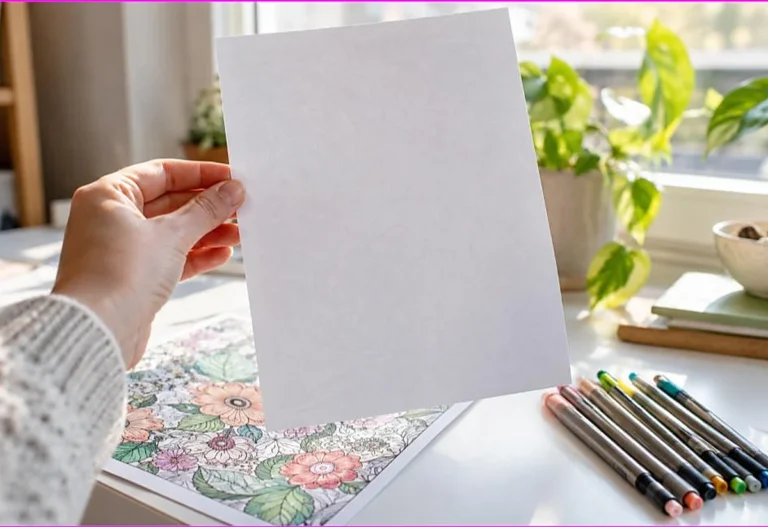
Slide a spare sheet of paper, or a piece of cardstock, behind the page you are coloring. Any ink that bleeds through the coloring page is caught by the backing sheet instead of marking the table, the page behind, or the rest of a coloring book. This does not stop the ink bleeding through the page itself, but it protects everything underneath.
For a coloring book with thin pages, a backing sheet is essential. Place it directly behind the page you are working on, and move it along as you go. A piece of cardstock works best, since it is stiff and catches ink well, and you can reuse it many times.
This fix is quick, free, and reliable for protecting surfaces, even if the coloring page itself still shows some bleed. Pair it with heavier paper for the cleanest results, and you protect both the page you are coloring and everything stacked beneath it.
Fix 3: Color in light layers
How you color affects bleed through as much as what you color on.
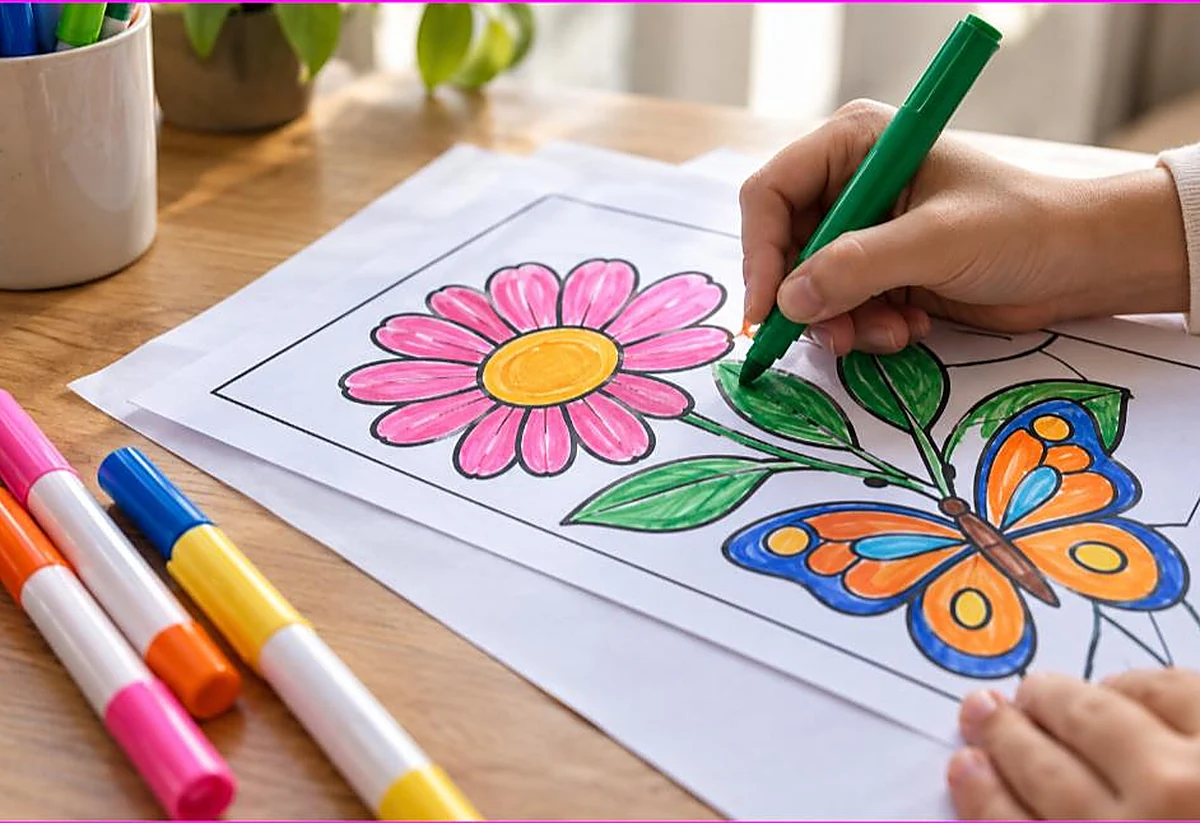
Soaking the paper with heavy, slow marker strokes forces more ink through it. Coloring in lighter, quicker layers lays down less ink at once, so less reaches the far side. If you need bold color, build it up in a couple of light passes rather than pressing hard and holding the marker in one spot, which floods the paper.
Keep the marker moving. Letting a marker sit in one place pumps ink into that spot and drives bleed through. A steady, flowing motion spreads the ink and reduces soaking. This also gives more even color, so it improves your results as well as reducing bleed.
Light layering takes a little practice but quickly becomes habit. Combined with the right paper, it keeps even wetter markers from bleeding badly.

Fix 4: Choose the right marker for the paper
Matching your marker to your paper prevents bleed before it happens.
If you must color on thin paper, choose water based markers, which are less wet and bleed less than alcohol markers. Kid focused washable markers are water based and a safer bet on ordinary paper. Save alcohol markers, which bleed readily, for heavier paper or cardstock where their bleed is contained.
If you have heavier paper or cardstock, you can use any marker, including alcohol markers, and get their smooth blending without bleed onto the surface below. Our guide on alcohol versus water based markers compares the two.
So the rule is simple: water based markers for thin paper, and heavier paper for alcohol markers. Matching the two is one of the easiest ways to avoid disappointment.
Fix 5: Use marker or blending paper
For serious marker work, special paper takes bleed control a step further.
Marker paper and blending paper are made specifically for markers. Some have a coating that holds ink on the surface and resists bleed, giving clean, vibrant color even with wet alcohol markers. Others are simply heavy and smooth, which suits blending. These papers are worth it for adult marker coloring where you want the best results.
For everyday coloring, plain cardstock is usually enough and cheaper. But if you color with alcohol markers often and want professional results with no bleed, marker paper is a worthwhile upgrade. Test a sheet with your markers to see the difference.
This is an optional step for dedicated marker colorists rather than a necessity for casual use. Most people get clean results from heavier paper and a backing sheet alone, without needing to buy special paper at all.
Always test first
One habit prevents most bleed through disasters, and it takes seconds.
Before coloring a whole page, test your marker on a scrap of the same paper, or in a corner, and check the back. This tells you exactly how much that marker bleeds on that paper, so you can adjust before ruining anything. The same marker can bleed on one paper and sit cleanly on another, so testing each new paper matters, especially with alcohol markers.
If the test shows bad bleed, switch to heavier paper, add a backing sheet, or use a less wet marker before you start. A thirty second test saves a whole page and the surface beneath it.
Make testing a habit whenever you use a new paper or marker combination, and you will rarely be caught out by bleed through again.

Ghosting versus bleed through
It helps to know the difference between two problems markers cause, since they have different fixes.
Bleed through is when ink soaks all the way through the paper and marks the surface below. Ghosting is when the color shows faintly on the back of the page without fully soaking through, so you see a shadow of the design on the reverse. Ghosting is milder than full bleed through, and it does not usually damage anything beneath, but it can show if you color both sides of a sheet.
Both come from the same cause, wet ink and thin paper, so the same fixes reduce both. Heavier paper reduces ghosting as well as bleed through, and lighter coloring lays down less ink to show on the back. If you only color one side of a page, ghosting rarely matters, since no one sees the back.
Knowing the difference stops you worrying unnecessarily. A little ghosting on the back of a single sided page is normal and harmless. Full bleed through onto the surface below is what you actually want to prevent, and the fixes in this guide handle both.
Protecting a whole coloring book
Coloring books bring their own bleed through challenge, since the pages are bound together.
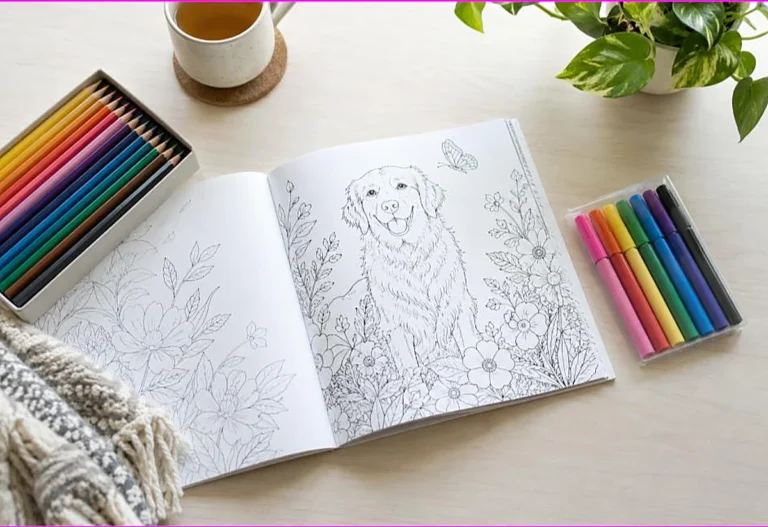
In a coloring book, bleed through does not just mark the table. It marks the next page in the book, ruining a design you have not colored yet. This makes a backing sheet essential for marker coloring in books. Slide a sheet of cardstock directly behind the page you are working on, so any bleed hits the cardstock instead of the next page.
Many coloring books, especially cheaper ones, use thin paper that bleeds easily, so markers are risky in them. For marker coloring, look for books with thicker, marker friendly paper, or use a book you are happy to color on one side of each sheet only. Some colorists cut out pages to color them separately on their own backing.
If you print your own pages instead of using a book, you avoid this problem entirely, since you can print on heavier paper and there is no next page to ruin. Our collection of free printable coloring pages lets you print single pages on the paper of your choice, which is the cleanest way to color with markers.
Frequently asked questions about markers without bleeding
How do I stop markers bleeding through paper?
Use thicker paper, 120 gsm or cardstock, place a backing sheet behind the page, color in light layers, and choose water based markers for thin paper. Test in a corner first. These steps stop ink reaching the surface below.
Why do my markers bleed through the page?
Markers lay down wet ink, and thin paper lets it soak through to the other side. Wet alcohol markers and thin copy paper cause the most bleed. Heavier paper and less wet markers reduce it.
What paper stops marker bleed through?
Heavier paper of 120 gsm or more reduces bleed, and cardstock at 150 to 200 gsm stops most of it. Special marker paper resists bleed even with wet alcohol markers. Thin copy paper bleeds the most.
Do water based markers bleed less than alcohol markers?
Yes. Water based markers are less wet than alcohol markers, so they bleed through paper less. Choose water based markers for thin paper, and save alcohol markers for heavier paper or cardstock.
Does a backing sheet stop bleed through?
A backing sheet catches ink that bleeds through, protecting the surface and pages below, but it does not stop the coloring page itself from showing bleed. Pair it with heavier paper for the cleanest results.
The takeaway on markers without bleeding
Marker bleed through is easy to prevent. Use heavier paper or cardstock, place a backing sheet behind your page, color in light layers, and match water based markers to thin paper. Test a new paper and marker combination first, and add marker paper for serious alcohol marker work. With these steps, you get bold marker color and clean pages every time.
Ready to color with markers the clean way? Browse our free printable coloring pages and print them on heavier paper for the best marker results. Every one is free to download and print, so you can choose the paper that keeps your markers from bleeding through.