Washable Markers vs Crayons for Toddlers: Which Is Better?
Quick answer
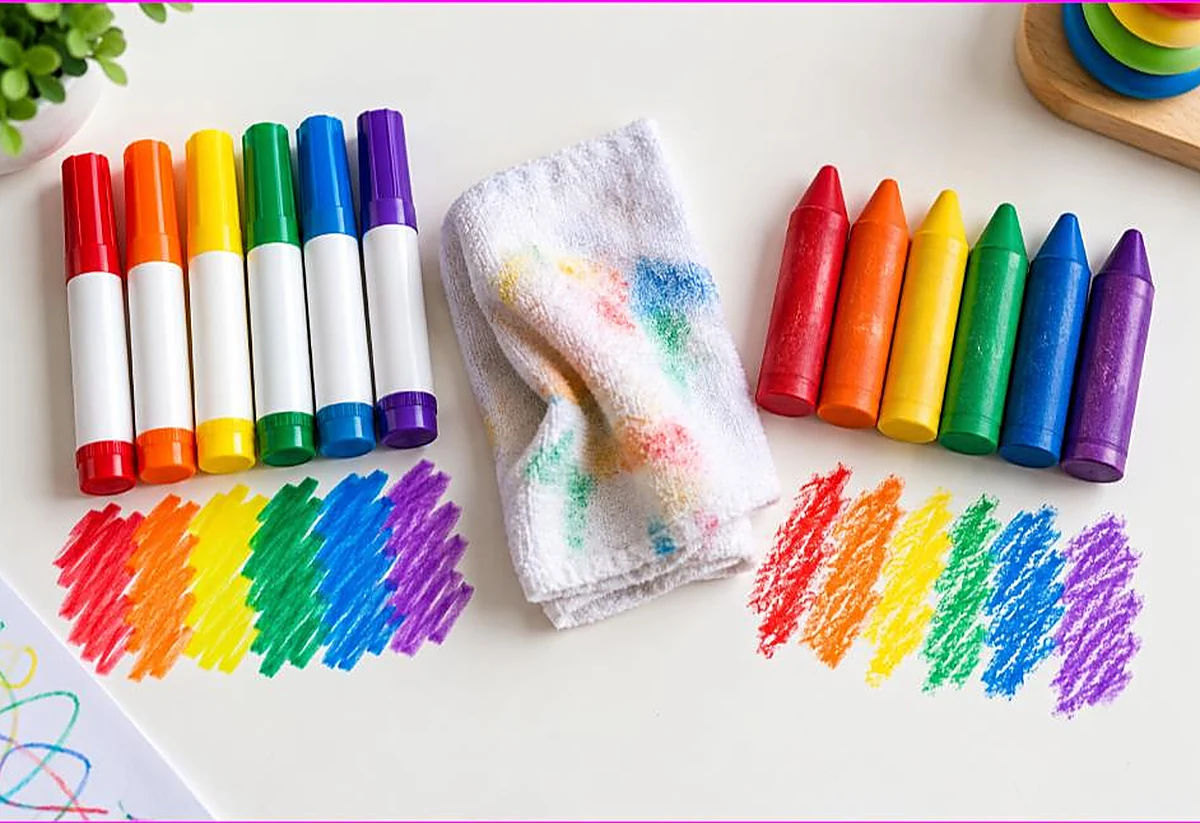
For toddlers, both work — it comes down to mess and durability. Washable markers give bright, effortless color and wash off skin and most surfaces, but can bleed through paper. Crayons are cheaper, longer-lasting, and mess-free, though they need more hand pressure. Many parents keep both and supervise either way.
By the TheColoringPages.net team. Reviewed for accuracy, September 2026.
This guide to Washable Markers gives clear, practical answers, drawing on marker pens and years of hands on coloring.
When a toddler is ready to start coloring, parents often face a simple question: crayons or washable markers? Both are popular first tools, and both have real strengths. The right choice depends on your child’s grip, your tolerance for mess, and what you want the activity to build.
This guide compares washable markers and crayons for toddlers honestly, so you can decide which to start with, or whether to use both. Neither is a wrong choice, and understanding the trade offs lets you pick what fits your child and your home best.
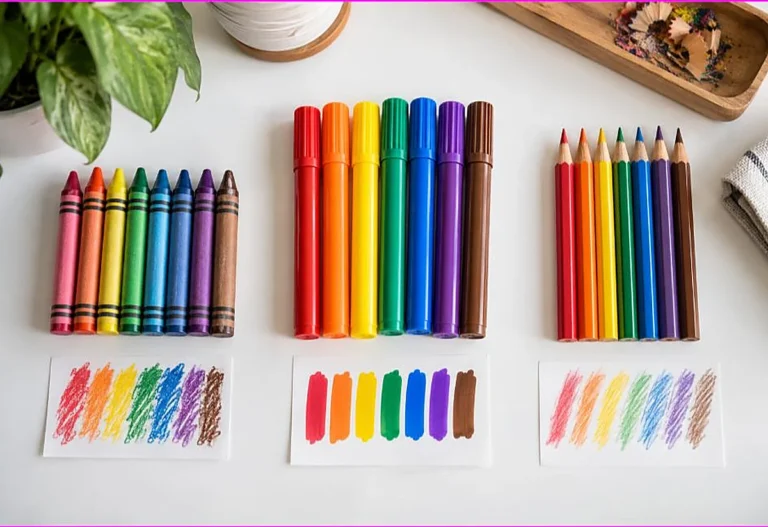
Quick answer: Crayons are safer and less messy for the youngest toddlers, and they build hand strength. Washable markers glide easily, which suits weak grips, and give bright results, but they can stain and dry out. Many parents start with crayons, then add washable markers as the child grows. Both are good first tools.

Crayons for toddlers: the pros and cons
Crayons are the classic first coloring tool, and they have clear strengths for young children.
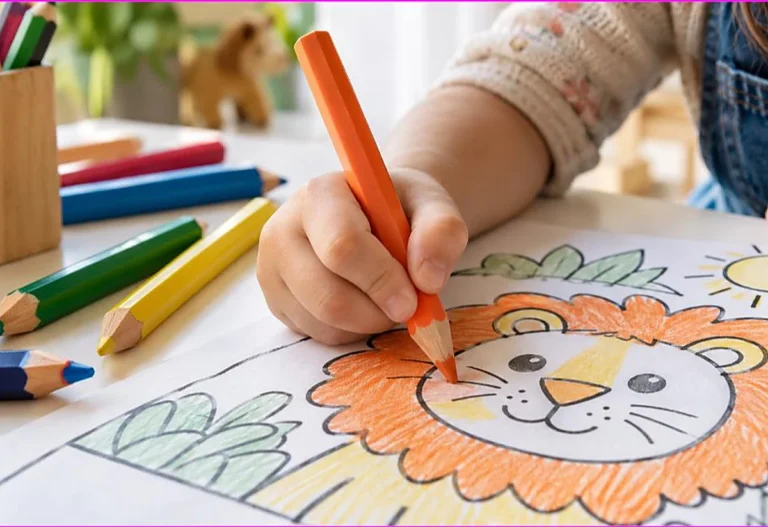
On the plus side, crayons are durable, cheap, and safe. They do not dry out, they survive being dropped and squeezed, and non toxic versions are safe if they reach a mouth. They never bleed through paper, so there is no mess underneath. Crucially, coloring with crayons builds hand strength, since a child must press to get color, which exercises the small muscles that writing will later need.
On the downside, crayons need more pressure than markers, which can tire a very young or weak grip. The color is less bright and vivid than marker ink. And while washable crayons help, regular crayon marks on walls and surfaces can be harder to remove than washable marker.
Crayons suit the youngest toddlers and anyone wanting a safe, durable, skill building first tool. Our guide on the best crayons for toddlers helps you choose.
Washable markers for toddlers: the pros and cons
Washable markers are the other popular first tool, with a different set of strengths.
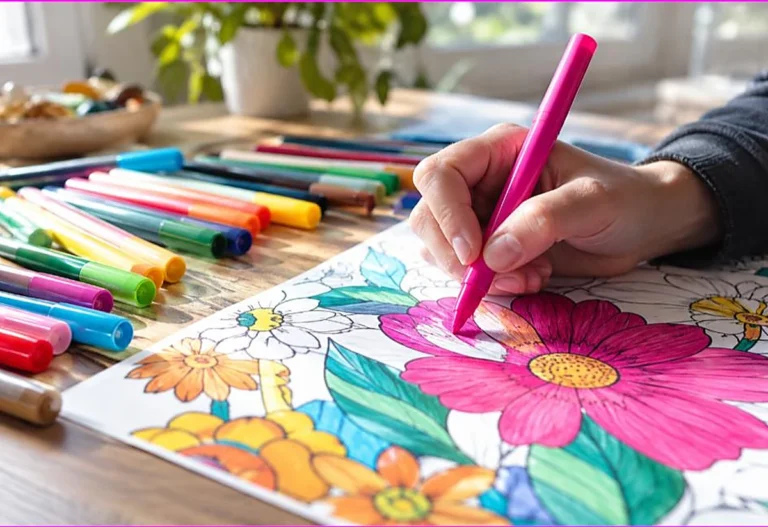
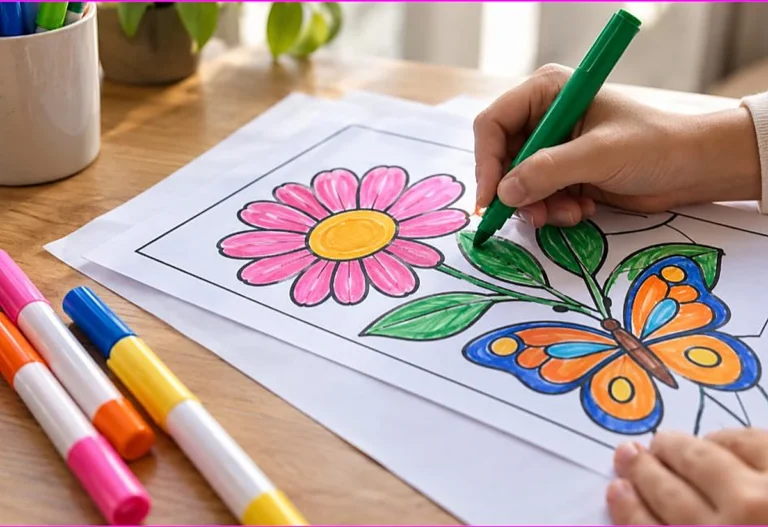
On the plus side, markers glide across paper with almost no pressure, so they give bright, satisfying color easily. This suits toddlers with weak grips who struggle to press hard enough for crayon color. The vivid results delight young children, and washable formulas clean off skin and many surfaces reasonably well.
On the downside, markers can stain clothes and some surfaces despite being washable, and they dry out if left uncapped, which toddlers often do. They can bleed through thin paper, and because they need no pressure, they build less hand strength than crayons. There is also more risk of a toddler drawing on themselves or furniture, since the color comes so easily.
Washable markers suit toddlers who find crayons hard to press, and anyone wanting bright, easy color, with a bit more mess to manage. Our guide on the best markers for coloring covers marker choice.
Mess and cleanup compared
Mess is a big factor for parents, so here is how the two compare.
Crayons make less immediate mess. They do not leak, spill, or dry out, and they stay where the child puts them. The main cleanup issue is crayon marks on walls or furniture, which washable crayons help with but regular crayons can leave stubborn.
Washable markers make brighter marks that clean off more easily from skin and many surfaces, but they carry more risk of staining clothes and reaching places you did not intend, since the color flows so freely. An uncapped marker can also leak or dry out.
Overall, crayons are the tidier, lower risk option for the youngest children, while washable markers trade a bit more mess risk for brighter, easier color. Using a wipeable mat and old clothes helps with either. Your tolerance for mess is a fair guide to which to start with, since a parent who dreads scrubbing may prefer to begin with tidier crayons.
Skill building compared
If you are thinking about development, the two tools build slightly different things.
Crayons build hand strength because the child must press to make color. This exercises the small hand muscles and supports the grip strength that writing later requires. For this reason, occupational therapists often favor crayons for building fine motor strength in young children. Our guide on coloring and fine motor skills covers this.
Washable markers build less hand strength, since they need no pressure, but they can help a child who is discouraged by crayons. A child who gives up on crayons because they cannot press hard enough may happily color with markers, keeping them engaged and building other skills like grip and control.
So crayons have the edge for building hand strength, while markers can keep a struggling or younger child engaged. Both develop grip, control, and coordination through coloring, so whichever your child prefers, they are building useful early skills every time they color.

Which should you start with?
For most toddlers, crayons are the sensible starting point, with markers added later.
Start with chunky, washable crayons for the youngest toddlers. They are safe, durable, tidy, and build hand strength, which makes them an ideal first tool. Rounded or jumbo crayons suit little hands, as our guide on the best crayons for toddlers explains.
Add washable markers as the child grows, or sooner if they struggle to press hard enough for crayon color. Markers give bright results with little effort, which can keep a child engaged and add variety. Supervise marker use to limit mess on clothes and surfaces.
Many families end up using both, choosing crayons for quick, tidy, skill building coloring and markers for bright, easy fun. There is no need to pick only one. Together they give a toddler variety and cover different needs.
Making either tool work well
Whichever you choose, a few habits make toddler coloring go smoothly.
Offer large, simple pages suited to the broad strokes toddlers make, and keep sessions short and relaxed, since young attention spans are brief. Protect surfaces and clothes, and supervise, especially with markers. Praise effort rather than neatness, and let the child scribble freely, which is exactly right for this age.
Keep supplies capped and stored so markers do not dry out and crayons do not get crushed. And keep the whole activity pressure free and fun, since the goal at this age is enjoyment and grip building, not a finished picture.
With the right tool, simple pages, and a relaxed approach, toddler coloring becomes a calm, happy activity that builds real early skills. Our collection of free printable coloring pages includes simple designs for little ones.
Safety considerations for both tools
Whatever you choose, safety matters most with toddlers, so keep a few points in mind.
Choose non toxic crayons and markers with a safety certification, since toddlers explore with their mouths. Reputable brands display this clearly. Chunky crayons and standard markers are large enough to reduce choking risk, which is another reason to avoid thin crayons for this age. Always supervise a young child while they color.
With markers, keep caps on when not in use, both to stop them drying out and to keep a toddler from mouthing the tip. Store all supplies out of reach when not in use, so a curious toddler does not decorate the walls unsupervised. Following the age guidance on packaging helps you choose tools that are both safe and suitable.
Safe supplies, supervision, and sensible storage let you relax and enjoy coloring time with your toddler. Our guides on the best crayons for toddlers and the best markers for coloring cover choosing safe, quality tools.

Building a toddler coloring kit
A simple, well chosen kit makes coloring easy and enjoyable for both of you.
Start with the essentials: a set of chunky washable crayons, and simple pages with large shapes. This covers the youngest toddlers and builds grip and hand strength. Add a set of washable markers as your child grows or if they struggle with crayon pressure, for bright, easy color and variety.
Include a few practical extras: a wipeable mat to protect the table, old clothes or a smock, and a box to keep supplies capped and stored. These small things make cleanup easy and let you relax during coloring. Free printable pages keep the pages themselves cheap and endless. Our collection of free printable coloring pages includes simple designs for little hands.
With crayons, washable markers, simple pages, and a few mess protecting extras, you have everything a toddler needs to color happily. Keep it simple and pressure free, and coloring becomes a calm, joyful part of your child’s day that builds real early skills.
What about other first coloring tools?
Crayons and washable markers are the two main first tools, but a couple of others are worth a mention for toddlers.
Chunky colored pencils sit between crayons and markers. They give more control than crayons and build hand strength like them, but they need sharpening and can break, so they usually suit slightly older toddlers than crayons do. Some families introduce them once a child has mastered crayons. Our guide on the best colored pencils for kids covers these.
Finger paints and dot markers are other options for very young children, offering bright, easy color with a different kind of sensory play. They are messier than crayons but can be fun for variety and for children who enjoy tactile activities. These are more about exploration than the grip building that crayons offer.
For most toddlers, though, chunky washable crayons remain the best first tool, with washable markers added as the child grows. The others are extras you can try for variety once your child enjoys coloring. Whatever tool you use, simple pages and a relaxed approach matter most. Our collection of free printable coloring pages gives you plenty of simple designs for little ones to color.
Frequently asked questions about washable markers
Are crayons or washable markers better for toddlers?
Both are good. Crayons are safer, tidier, and build hand strength, which suits the youngest toddlers. Washable markers glide easily and give bright color with little pressure, which helps weak grips. Many parents use both.
Should a toddler start with crayons or markers?
Most toddlers do well starting with chunky, washable crayons, which are safe, durable, and build hand strength. Washable markers can be added as the child grows or if they struggle to press hard enough for crayons.
Do washable markers really wash off?
Washable markers clean off skin and many surfaces reasonably well, but they can still stain clothes and some surfaces. Cleaning marks promptly gives the best results, and using old clothes and a wipeable mat helps.
Which builds hand strength better?
Crayons build more hand strength, since the child must press to make color, which exercises the small hand muscles that writing needs. Markers need no pressure, so they build less strength but can keep a struggling child engaged.
Can I use both crayons and markers with a toddler?
Yes. Many families use crayons for tidy, skill building coloring and washable markers for bright, easy fun. Using both gives variety and covers different needs, and there is no reason to choose only one.
The takeaway on washable markers
Both crayons and washable markers make good first tools for toddlers. Crayons are safer, tidier, and build hand strength, which suits the youngest children, while washable markers give bright, easy color that helps weak grips. Start with chunky washable crayons, add markers as your child grows, and feel free to use both. With simple pages and a relaxed approach, either tool makes coloring a happy, skill building activity.
Ready to let your toddler color? Browse our free printable coloring pages, including simple designs for little hands. Every one is free to download and print, ready for crayons or markers. Whatever you start with, the most important thing is that your toddler enjoys the activity, since a happy young colorist keeps coloring and keeps building skills.