Does Coloring Improve Concentration and Focus in Kids?
Quick answer
Coloring helps children build concentration because it’s an absorbing, single-task activity with a clear goal. Staying inside the lines and finishing a page trains sustained attention, patience, and self-regulation — skills that carry over to reading and schoolwork. Simple designs suit younger children; detailed ones stretch focus as they grow.
By the TheColoringPages.net team. Reviewed for accuracy, September 2026.
This guide to Concentration Focus gives clear, practical answers, drawing on attention and focus and years of hands on coloring.
Many parents notice their child settles and calms while coloring, and wonder whether it actually builds focus. The answer is yes. Coloring gives children sustained, single task practice that gradually lengthens their attention span, teaches persistence, and helps restless or overstimulated children settle. It is one of the simplest ways to build the focus that school and life require.
This guide explains how coloring trains attention, why finishing a page builds persistence, and how to use coloring to support focus in an enjoyable, pressure free way.
Quick answer: Yes, coloring improves concentration in children. It gives sustained, single task practice that gradually lengthens attention span, and completing a page teaches persistence and focus. The calming effect of coloring also helps restless or overstimulated children settle, making it a valuable tool for building the focus that learning requires.

How coloring trains attention
Focus is a skill that develops with practice, and coloring gives exactly the right kind of practice.
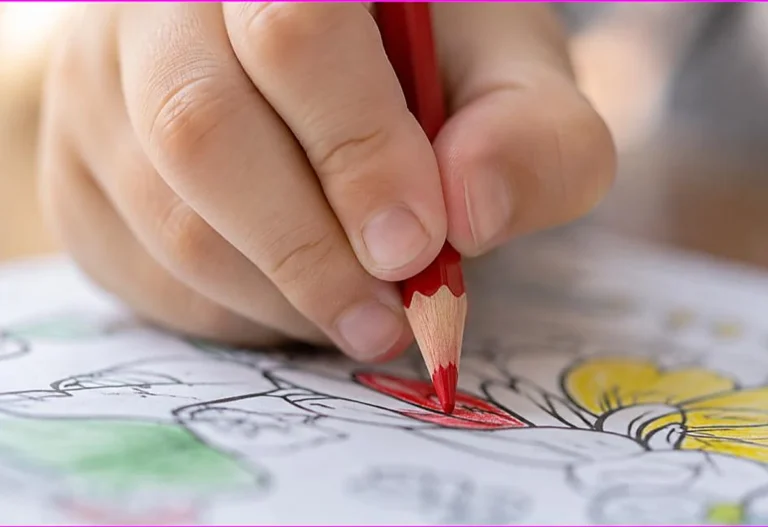
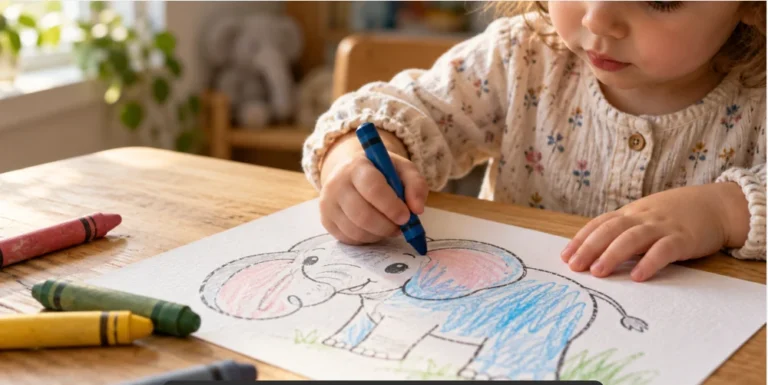
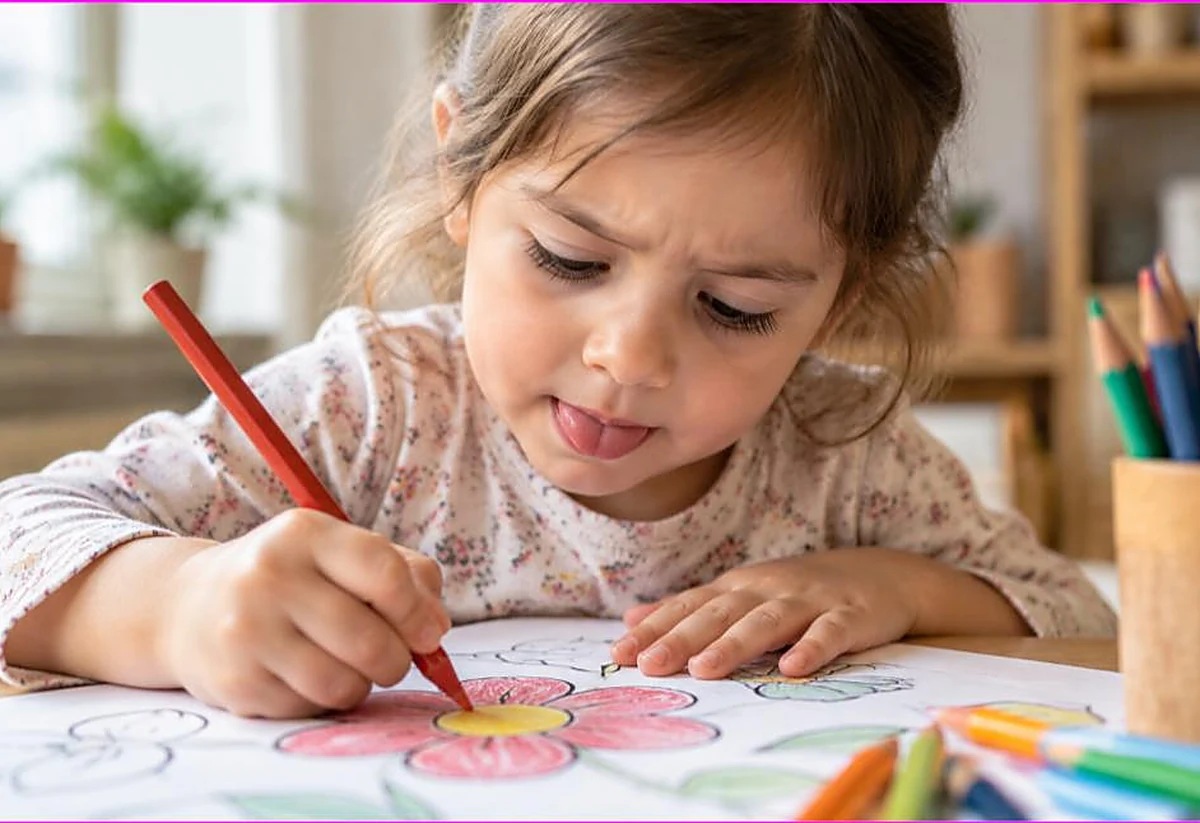
When a child colors, they focus on one task for a stretch of time, choosing colors, filling shapes, and working toward a finished page. This sustained attention on a single, absorbing activity exercises the child’s ability to concentrate. Like a muscle that strengthens with use, attention lengthens with practice, and coloring provides that practice regularly.
Coloring is well suited to this because it is engaging but not overwhelming. It holds a child’s interest enough to keep them focused, yet it is calm and low pressure, so it does not frustrate or overstimulate. This balance lets a child settle into focused attention comfortably, building the skill without strain.
Over time, regular coloring helps a child sustain attention for longer. A toddler may focus for only a minute or two, but with practice, older children color for longer stretches, showing their growing attention span. This developing focus carries over into other tasks that require concentration, including schoolwork. Our guide on the benefits of coloring for kids covers the wider gains.
The persistence effect
Completing a coloring page teaches a child persistence, which is a key part of focus.
A coloring page is a task with a clear beginning and end. Working from the first color to the finished page teaches a child to stick with a task and see it through, rather than giving up partway. This persistence, the ability to keep going to completion, is closely linked to focus and is valuable for learning.
Finishing a page also delivers a sense of achievement. A child who completes a coloring page feels the satisfaction of a job done, which reinforces the habit of persisting. This positive feeling makes the child more willing to stick with tasks in future, building both persistence and confidence.
You can support this by encouraging, without forcing, a child to finish pages they start, and celebrating completed work. There is no need to insist, since coloring should stay enjoyable, but gently encouraging completion and praising the finished result builds the persistence habit. Over time, a child learns the satisfaction of seeing a task through, which serves them well in school and life.
Coloring as a calm-down tool
Coloring does not just build focus over time. It also helps a child settle in the moment, which supports focus directly.
A restless, wound up, or overstimulated child struggles to focus. Coloring offers a calming activity that helps such a child settle, since the gentle, repetitive, absorbing nature of coloring soothes an active mind and body. Many parents and teachers use coloring as a calm down tool for exactly this reason. Our guide on calming activities for kids covers this.
Once a child has calmed through coloring, they are better able to focus, both on the coloring itself and on tasks afterward. So coloring can act as a reset, helping a child move from a scattered, restless state to a calm, focused one. This makes it useful before tasks that require concentration.
Keeping coloring available as a calm down option, in a quiet corner or as a go to activity when a child is overstimulated, gives you a gentle tool for helping them settle and focus. It is a screen free, soothing way to help a child regulate, which supports their focus and wellbeing. Our guide on coloring versus screen time covers why coloring calms where screens can overstimulate.

Choosing pages by attention level
Matching the coloring page to a child’s attention level keeps the activity building focus rather than frustrating them.
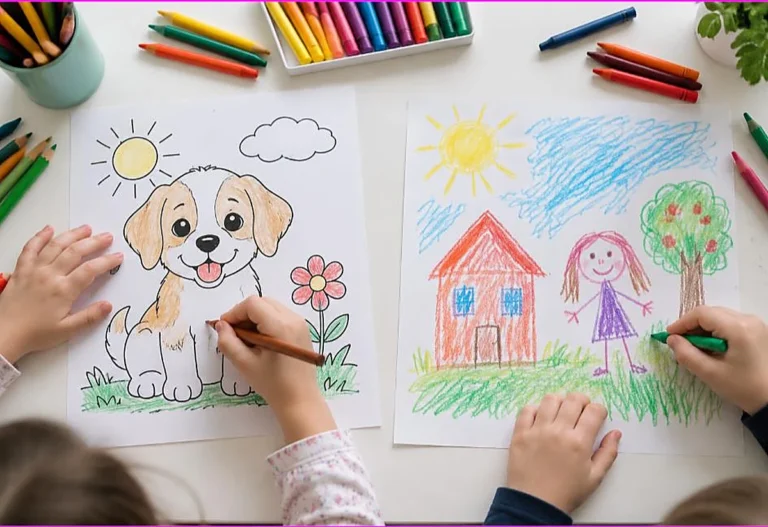
For a child with a short attention span, or a young child, choose simple pages with large shapes that can be completed relatively quickly. A page that is achievable in the child’s attention span gives them the success of finishing, which builds both focus and confidence. A page that is too long or detailed may frustrate them or go unfinished, which does not help.
As a child’s attention span grows, offer more detailed pages that require longer focus. This gently stretches their concentration, challenging them to sustain attention for longer. Matching the challenge to the child’s developing ability keeps them building focus at the right pace. Our collection of free printable coloring pages for kids spans simple to detailed designs.
The key is to match the page to where the child is now, then increase the challenge gradually. This keeps coloring at a level that builds focus without frustration. A child who succeeds at pages suited to their attention span is motivated to keep coloring, which builds their focus over time.
Building focus over time
Focus builds gradually through regular practice, so consistency matters more than intensity.
Regular coloring, even in short sessions, builds focus more effectively than occasional long ones. A child who colors a little most days gets frequent practice at sustained attention, which steadily lengthens their attention span. Making coloring a regular part of the day, tied to a routine, gives this consistent practice.
Keep sessions matched to the child’s current attention span, and let them grow naturally. There is no need to force a young child to color for a long time, which only frustrates them. Short, successful, enjoyable sessions build focus, and the sessions lengthen naturally as the child’s attention develops. Following the child’s pace keeps coloring positive and effective.
Over months and years, this regular practice builds a noticeable improvement in a child’s ability to concentrate. A child who has colored regularly arrives at school better able to focus on tasks, which supports their learning. So the simple habit of regular coloring quietly builds one of the most important skills for school success. Our guide on coloring and child development covers the developmental picture.
Coloring and children who struggle to focus
Coloring can be especially helpful for children who find focusing difficult, though with realistic expectations.
For a child who struggles to concentrate, coloring offers gentle, enjoyable practice at sustained attention, in a low pressure form. The engaging, calming nature of coloring can help such a child focus for longer than they might on a less appealing task. Starting with simple, quickly completed pages, matched to their current attention span, gives them achievable success that builds focus and confidence.
It is important to keep expectations realistic and the activity pressure free. A child who struggles to focus should not be pushed to color for long or made to feel they are failing. Meeting them at their level, celebrating small successes, and letting focus build gradually is the effective approach. Forcing focus is counterproductive.
Coloring is a helpful tool for building focus, but it is not a treatment for attention difficulties. If a child has significant, persistent trouble focusing that affects their daily life, it is worth discussing with a doctor, who can advise on support. Coloring can be a supportive, calming activity alongside any professional guidance. Our guide on the benefits of coloring for kids covers coloring’s role.
Making focus-building fun
The best way to build focus through coloring is to keep it genuinely enjoyable.
A child who enjoys coloring focuses on it willingly, which is what builds their attention. So choosing pages the child loves, of subjects that interest them, keeps them engaged and focused. A child will concentrate far longer on a page of their favorite character or animal than on a random one. Meeting their interests is the key to sustained focus.
Keep the activity relaxed and free of pressure. Coloring builds focus best when it feels like play, not a focus exercise. A child who feels tested or pushed may lose interest, while one who enjoys the activity settles into natural, focused attention. The focus building happens through the enjoyment, not despite it.
Celebrate the focus and completion, warmly and without pressure. Noticing when a child has concentrated well or finished a page reinforces the behavior and builds their confidence. This positive approach keeps a child coloring, and returning to coloring, which is how the focus builds over time. Our collection of free printable coloring pages for kids covers many interests to keep coloring engaging.

Coloring versus screens for attention
When it comes to building attention, coloring and screen time have opposite effects, which is worth understanding.
Fast paced screens train the brain to jump quickly from one stimulus to the next, chasing constant novelty and reward. Heavy screen use can leave a child’s attention fragmented and make it harder for them to focus on slower, quieter tasks. The rapid pace of much screen content works against the sustained, single task attention that learning requires.
Coloring does the opposite. It asks a child to settle on one calm task and hold their attention there, which builds the very focus that screens can erode. A child who colors regularly practices the slow, sustained attention that schoolwork and reading demand. This makes coloring a valuable counterbalance to screen time in building focus. Our guide on coloring versus screen time covers this contrast in detail.
So offering coloring as a regular alternative to screens supports a child’s attention in two ways: it gives positive practice at sustained focus, and it reduces the fragmenting effect of too much fast paced screen time. Balancing screens with calm, focused activities like coloring helps a child build and protect their ability to concentrate. Our collection of free printable coloring pages for kids gives you plenty of engaging pages to offer instead of a screen.
Frequently asked questions about concentration focus
Does coloring improve concentration in children?
Yes. Coloring gives sustained, single task practice that gradually lengthens attention span, and finishing a page builds persistence. The calming effect also helps restless children settle, so coloring builds focus in several ways.
How does coloring build focus?
Coloring exercises a child’s ability to concentrate on one absorbing task for a stretch of time. Like a muscle, attention lengthens with this practice. Completing pages also teaches persistence, and the calming effect helps a child settle into focus.
Can coloring calm an overstimulated child?
Yes. The gentle, repetitive, absorbing nature of coloring soothes a restless or overstimulated child, helping them settle. Once calm, they can focus better, which is why coloring is often used as a calm down tool.
What coloring pages build focus best?
Pages matched to a child’s attention span build focus best: simple, quickly completed pages for short attention spans, and more detailed pages as attention grows. Pages of subjects the child loves keep them engaged and focused for longer.
Can coloring help a child who struggles to focus?
Coloring offers gentle, enjoyable practice at sustained attention, which can help a child who struggles to focus, especially with pages matched to their level. It is a supportive tool, not a treatment, so significant difficulties should be discussed with a doctor.
The takeaway on concentration focus
Coloring genuinely improves concentration in children. It gives sustained, single task practice that lengthens attention span, completing pages builds persistence, and the calming effect helps restless children settle into focus. Match pages to your child’s attention level, keep coloring regular and enjoyable, and choose subjects they love. Through the simple, absorbing activity of coloring, a child builds the focus that school and life require.
Ready to build your child’s focus the fun way? Browse our free printable coloring pages for kids for every age and interest. Every one is free to download and print. For ready made packs, browse our educational coloring pages.