Coloring Supplies for Beginners: A Simple Starter Kit
Quick answer
Beginners don’t need much: a set of 12–24 colored pencils (the most forgiving, controllable medium), a good sharpener, and some smooth paper or cardstock is plenty. Add washable markers or crayons for bolder color. Choose a mid-range set — very cheap supplies frustrate, but you don’t need professional gear to begin.
By the TheColoringPages.net team. Reviewed for accuracy, September 2026.
This guide to Supplies for Beginners gives clear, practical answers, drawing on colored pencils and years of hands on coloring.
Starting to color is easy, but the wall of supplies in the craft aisle can make it feel complicated. The truth is you need very little to begin. A few good basics cover everything, and you can add more as you find what you enjoy. Spending a fortune on your first day is unnecessary and often wasteful.
This guide lays out a simple beginner coloring kit, explains what each item does, and shows how to build your supplies sensibly over time, so you start well without overspending.
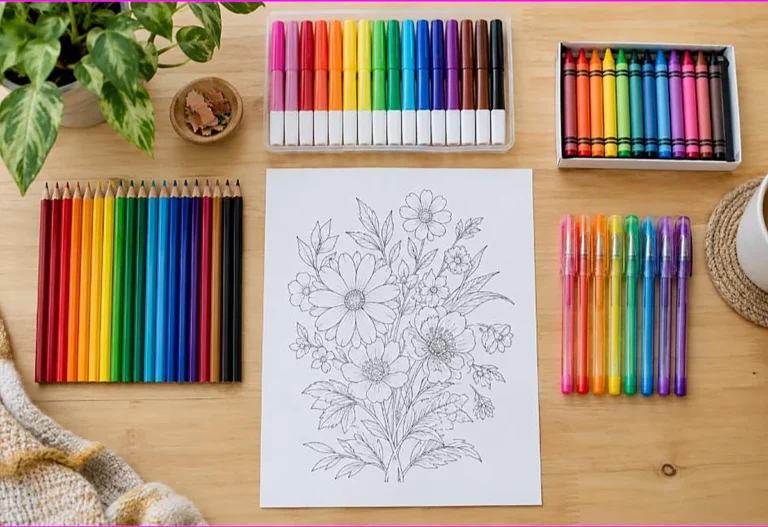
Quick answer: To start coloring you need just three things: a set of colored pencils or markers, some coloring pages or a book, and decent paper. A basic beginner kit, a 24 color pencil set, a sharpener, and a blending tool, costs little and covers everything. Add markers, gel pens, or better pencils later as your interest grows.

The three essentials
Coloring comes down to three basics. Get these and you are ready to start.
The first is something to color with. For beginners, colored pencils are the easiest and most versatile choice. They give control, do not bleed, and suit detailed and simple pages alike. A set of around twenty four colors is plenty to begin.
The second is something to color. Coloring pages or a coloring book give you the designs. Free printable pages are ideal for beginners, since they cost nothing and let you try many styles before you settle on what you like. Our collection of free printable coloring pages has designs for every taste.
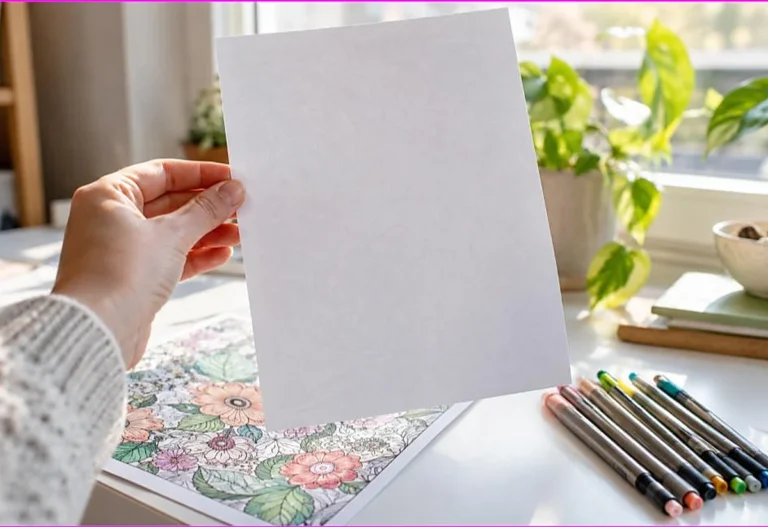
The third is paper, if you print your own pages. Ordinary printer paper works for pencils, while heavier paper suits markers. Our guide on the best paper for coloring pages covers this.
That is genuinely all you need to start. Everything else is an optional extra you can add later.
Choosing your first coloring tool
Your main tool shapes your early experience, so choose one that suits how you want to color.
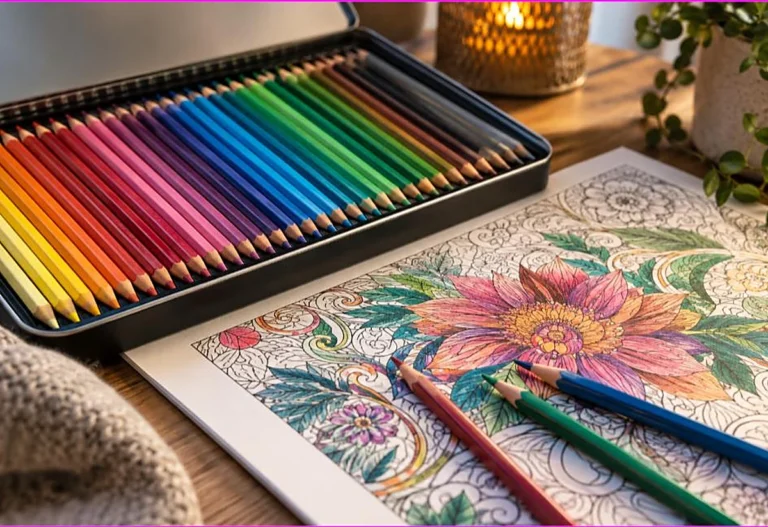
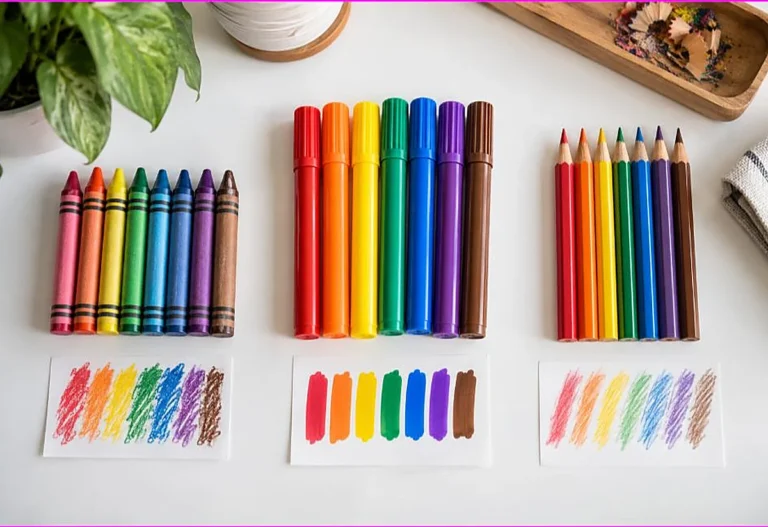
Colored pencils are the best all round starting point. They give the most control, blend well, never bleed through, and suit any page. A budget or mid range set of around twenty four to forty eight colors is ideal for beginners, giving enough variety without a big cost. Our guide on the best colored pencils for adult coloring covers options.
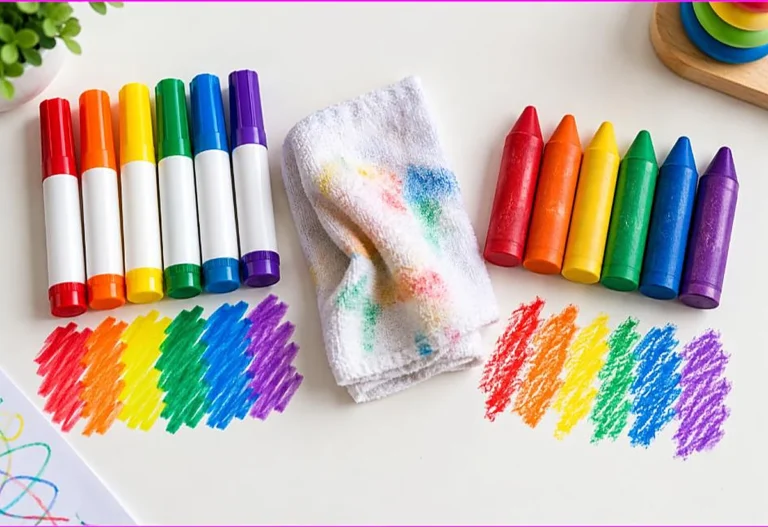
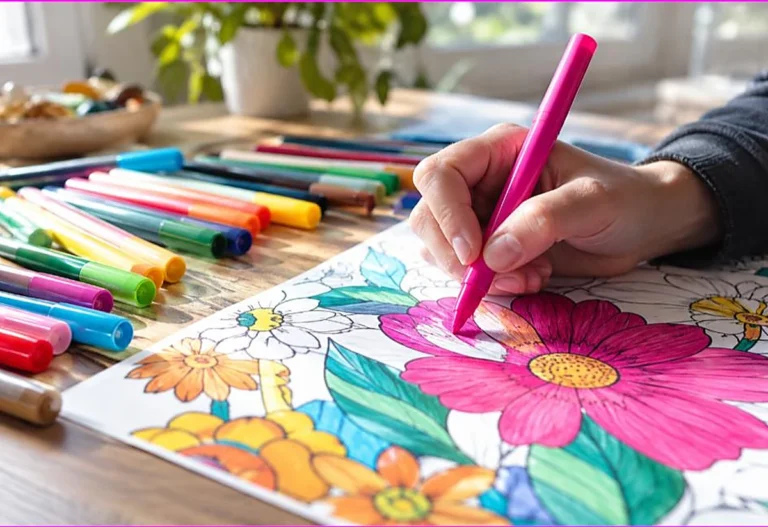
Markers are a good choice if you love bold, bright color and quick results. Water based markers are cheaper and less messy for beginners, while alcohol markers blend better but need heavier paper. Our guide on alcohol versus water based markers compares them.
Crayons suit the youngest beginners, children just starting out, since they are cheap, durable, and safe. Our guide on the best crayons for toddlers covers these.
For most adult beginners, a set of colored pencils is the sensible first tool. You can add markers or other tools once you know what you enjoy.
Paper basics for beginners
Paper is easy to overlook, but the right sheet makes coloring more enjoyable.
For colored pencils, ordinary printer paper works fine to start, though a slightly heavier, brighter paper gives richer color and a nicer feel. There is no need for special paper with pencils at first.
For markers, heavier paper matters more, since thin paper lets marker ink bleed through. If you plan to use markers, keep some 120 gsm paper or cardstock on hand. Our guide on how to color with markers without bleeding through explains why.
If you buy a coloring book rather than printing pages, check the paper. Some books use thin paper that suits pencils but not markers. For a marker friendly book, look for one with thicker pages.
For beginners printing free pages, a ream of decent bright white paper and a small pack of cardstock for markers covers everything.
Nice-to-have extras
Beyond the essentials, a few small extras make coloring easier and more fun. None are required to start.
A good sharpener matters if you use colored pencils. A quality sharpener gives a clean point without breaking the core, which is worth having from the start. A blending tool, such as a blending stump or a colorless blender pencil, helps you smooth and merge colors as your skills grow, as our guide on how to blend colored pencils explains.
Gel pens add fun details, highlights, and sparkle on top of pencil or marker work. They are a cheap, enjoyable extra once you have the basics. Our guide on whether gel pens are good for coloring covers them. A ruler helps for geometric designs, and a soft eraser can lift some pencil mistakes.
Add these extras gradually, as you discover what your coloring needs. There is no need to buy them all at once, and many colorists never use some of them.

A budget starter kit
Here is a simple, affordable kit to begin coloring today, with nothing wasted.
Start with a budget or mid range set of twenty four to forty eight colored pencils, a decent sharpener, and free printable coloring pages on ordinary or bright white paper. This covers everything a beginner needs and costs very little. You can color happily with just this for a long time.
As you find your footing, add a small set of water based markers for bold color, a blending tool for smoother pencil work, and a few gel pens for accents. If the hobby grows, upgrade to a better pencil set and heavier paper.
This build slowly approach means you spend only on what you actually use, rather than a huge kit that mostly sits unused. Our guide on the full coloring supplies guide covers the wider range of tools.
Where to get pages to color
You need designs to color, and beginners have easy, cheap options.
Free printable coloring pages are the best starting point. They cost nothing, come in every style, and let you try what you enjoy before buying anything. You print only the pages you want, so there is no waste. Our collection of free printable coloring pages spans simple and detailed designs for all ages and tastes.
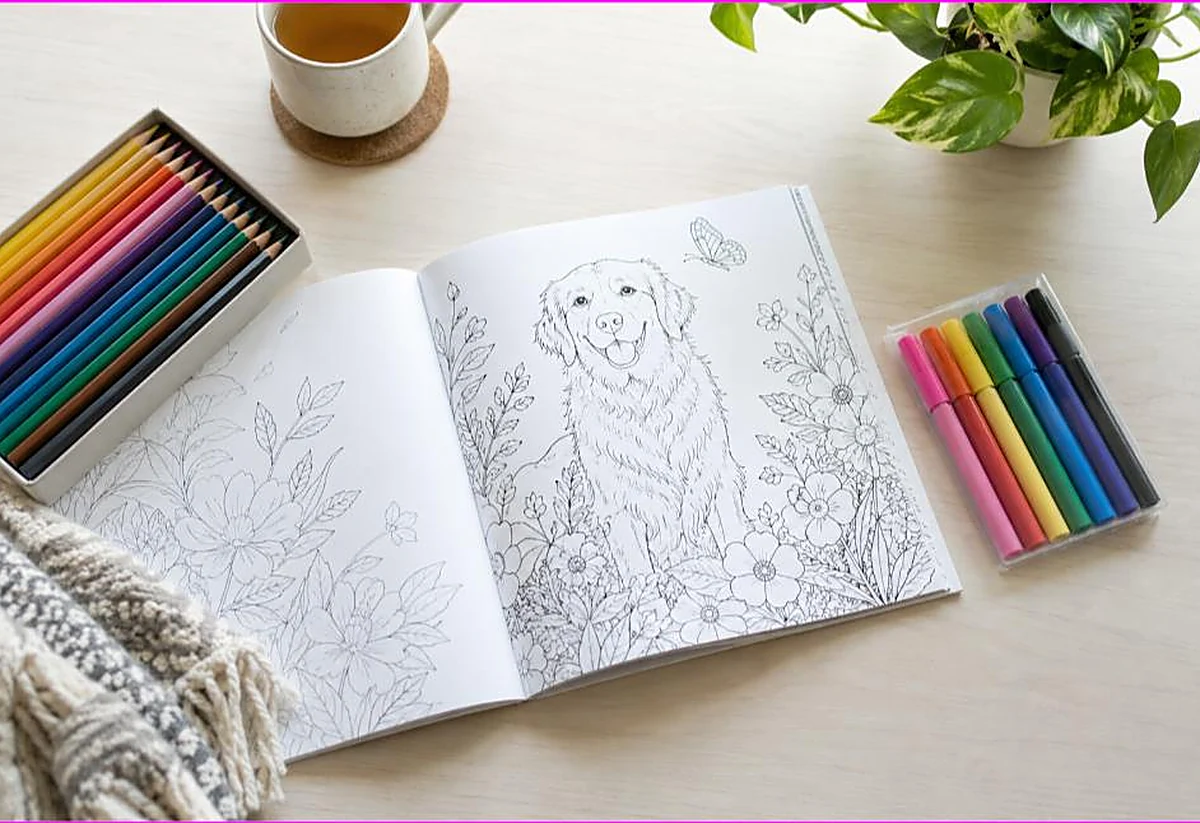
Coloring books are another option, giving a bound set of designs around a theme. They suit people who prefer a physical book, though you are limited to that book’s designs. Check the paper quality if you plan to use markers.
For beginners, starting with free printable pages is ideal. It lets you explore styles, from simple pictures to detailed mandalas, and find what you love without spending anything, before you decide whether to buy books or better supplies.
Common beginner mistakes to avoid
A few common missteps trip up new colorists, and knowing them saves money and frustration.
The first is buying too much too soon. It is tempting to buy a huge set of every tool on day one, but most of it will sit unused while you work out what you enjoy. Start small, with a pencil set and free pages, and add tools as you find gaps. This wastes nothing and teaches you what you actually like.
The second is buying the very cheapest supplies. Bargain unbranded pencils and pens often have hard, faint cores or ink that skips, which gives poor results and makes coloring feel disappointing. A modest step up to a decent budget set colors far better for little more money, which keeps you enjoying the hobby.
The third is ignoring paper. Beginners often color markers on thin paper and get bleed through, then blame the markers. Matching your paper to your tool, heavier paper for markers, prevents this. Our guide on the best paper for coloring pages covers it. Avoiding these three mistakes gets you off to a smooth, enjoyable start.

Setting up a coloring space
You do not need a studio, but a small, comfortable setup makes coloring more enjoyable from the start.
Choose a spot with good lighting, ideally natural light or a bright lamp, so you can see colors accurately and avoid eye strain. A flat, firm surface at a comfortable height, like a desk or table, gives you a steady base to color on. A comfortable chair helps for longer sessions.
Keep your supplies organized and within reach, so starting takes no effort. A simple box or caddy for your pencils and pens, plus a folder for your printed pages, means you can sit down and color whenever the mood strikes. This ease is what turns coloring into a regular habit rather than an occasional effort.
You can color anywhere, of course, on the sofa, in bed, at the kitchen table. But a small, ready, comfortable spot makes it more likely you will color often, which is where the enjoyment and any benefit come from. Our guide on whether coloring is a good hobby for adults covers building the habit.
Upgrading as your skills grow
Once you have coloring for a while and know you enjoy it, you may want to upgrade, and knowing what to add helps.
The first worthwhile upgrade is usually better colored pencils. Moving from a basic set to a mid range artist set noticeably improves color richness and blending, which makes your pages look better and coloring more satisfying. Our guide on the best colored pencils for adult coloring covers the options. Better paper is another early upgrade, since it lets pencils and markers show their best.
Next, you might add markers if you want bold color, a blending tool for smoother pencil work, and gel pens for sparkle and detail. Each addition opens up new effects and keeps the hobby fresh. Learning techniques like blending and shading, covered in our guide on coloring techniques for beginners, often matters more than new supplies for improving your results.
There is no need to rush any of this. Many colorists are happy with a modest kit for years. Upgrade only when you feel your current supplies limiting what you want to do, and add the specific tool that removes that limit. Building your kit around your actual coloring, rather than a shopping list, keeps your spending sensible and your supplies useful.
Frequently asked questions about supplies for beginners
What supplies do I need to start coloring?
Just three things: something to color with, such as colored pencils, some coloring pages or a book, and decent paper if you print your own. A basic pencil set and free printable pages are enough to begin.
What are the best supplies for a beginner?
A budget or mid range set of twenty four to forty eight colored pencils is the best starting tool, with a good sharpener and free printable pages. Add markers, a blending tool, and gel pens later as your interest grows.
Should beginners use pencils or markers?
Colored pencils are the best all round choice for beginners, since they give control, do not bleed, and suit any page. Markers suit those who want bold color and are willing to use heavier paper.
Do I need expensive supplies to start?
No. A budget or mid range pencil set and free printable pages cost very little and cover everything a beginner needs. You can upgrade to better supplies later once you know you enjoy coloring.
Where can I get coloring pages to start?
Free printable coloring pages are ideal for beginners, since they cost nothing and come in every style. You print only what you want, which lets you explore what you enjoy before buying books or better supplies.
The takeaway on supplies for beginners
You need very little to start coloring: something to color with, some pages, and decent paper. A budget colored pencil set, a sharpener, and free printable pages make a complete beginner kit for very little money. Add markers, blending tools, and gel pens gradually as you find what you enjoy. Start simple, and let your supplies grow with your interest.
Ready to begin? Browse our free printable coloring pages and print your first design today. Every one is free to download and print, so you can start with almost no cost at all.