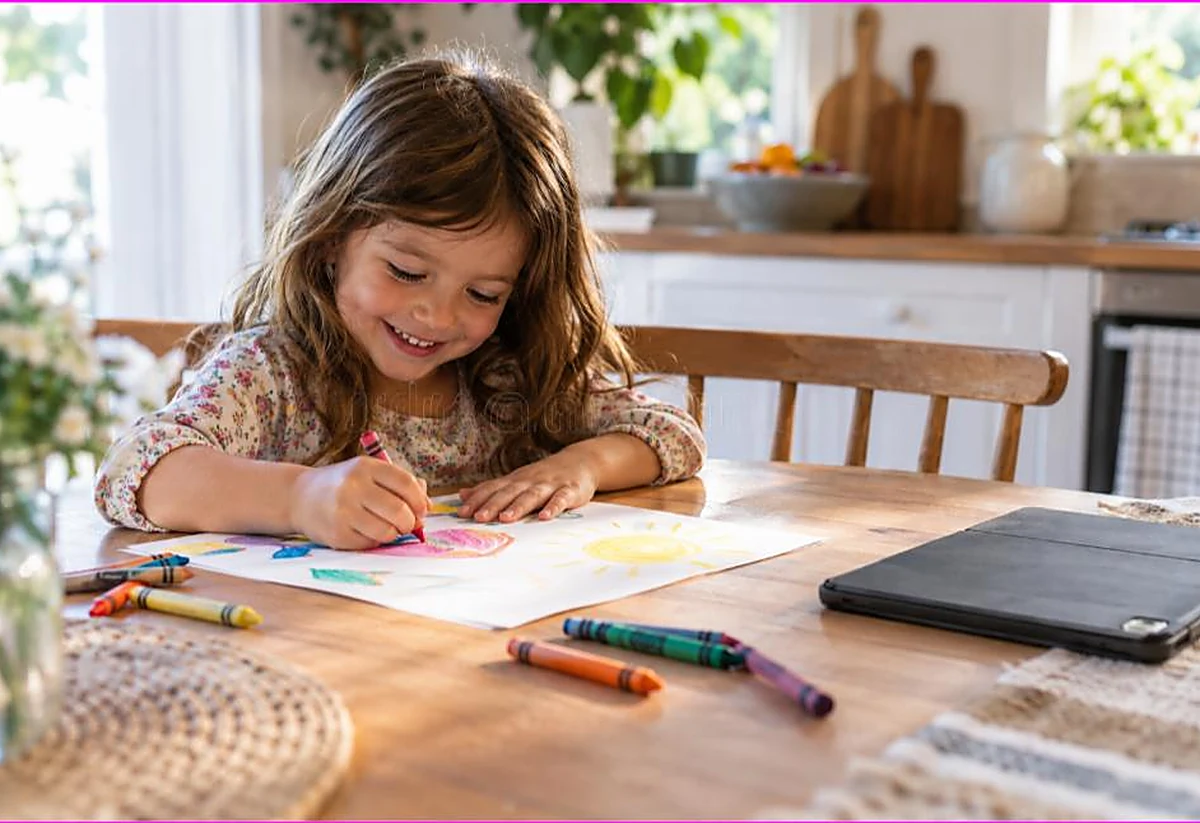
Coloring vs Screen Time: Why Screen-Free Play Matters
Quick answer
Compared with screen time, coloring is a calm, hands-on, screen-free activity that builds fine-motor skills and focus without blue light or overstimulation. It won’t replace all screens, but it’s an excellent low-stimulation alternative — especially before bed or to reset attention — that keeps hands busy and creative.
By the TheColoringPages.net team. Reviewed for accuracy, September 2026.
This guide to Screen Time gives clear, practical answers, drawing on screen time and years of hands on coloring.
Screens are part of every childhood now, and they are not all bad. But when a child spends hours watching and swiping, something is missing. Coloring offers the opposite kind of activity: active, hands on, and calm. Swapping even part of a child’s screen time for coloring supports their development and settles an overstimulated mind.
This guide compares coloring and screen time honestly, explains what coloring builds that screens do not, and shows how to make the swap without a battle. The aim is a balanced view, not a war on screens, so you can add more of what helps your child without guilt or strict rules.
Quick answer: Coloring is active and hands on, while screen time is passive. Coloring builds fine motor skills, focus, and creativity, and it calms the mind, where heavy screen use can overstimulate. Swapping even part of a child’s screen time for coloring supports development and reduces overstimulation, without cutting screens out entirely.

Active play versus passive watching
The core difference between coloring and screen time is simple: one is active, the other is mostly passive.
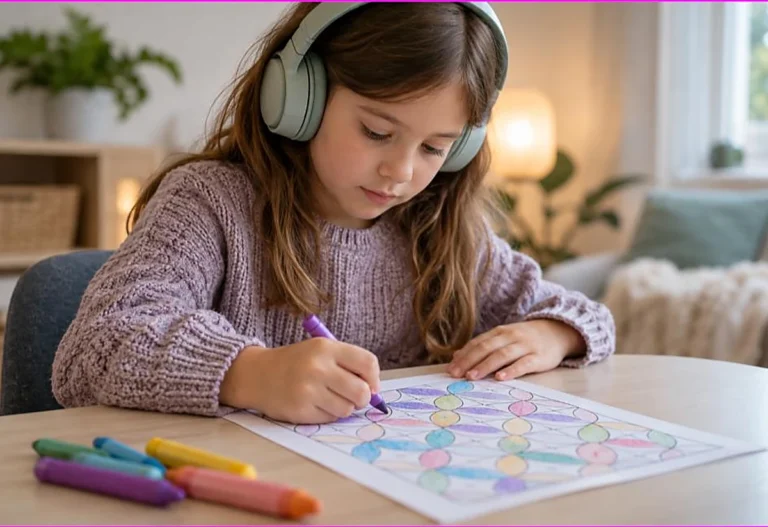
When a child colors, they do the work. They grip the tool, guide it, choose colors, and make decisions. Their hands and mind are engaged in creating something. This active involvement is what builds skills and holds real value.
When a child watches a video, the screen does the work. Images and sounds arrive without the child doing much beyond watching. Even many games involve more tapping than genuine thinking or creating. This passive intake can be entertaining, but it builds little and asks little of the child.
This is not to say all screen time is worthless. Some apps and shows teach real things. But as a rule, an activity where the child creates, like coloring, does more for them than one where the child mostly receives.
What screens do not build
Coloring builds several things that passive screen time does not, which is the heart of why it matters.
Screens do not build fine motor skills. Swiping a smooth screen does nothing for the small hand muscles a child needs for writing. Coloring, by contrast, strengthens grip and control directly. Our guide on coloring and fine motor skills covers this.
Screens rarely build sustained focus. They train the mind to jump from one quick reward to the next, which can fragment attention. Coloring trains the opposite: settling on one task and seeing it through. It stretches attention rather than splintering it.
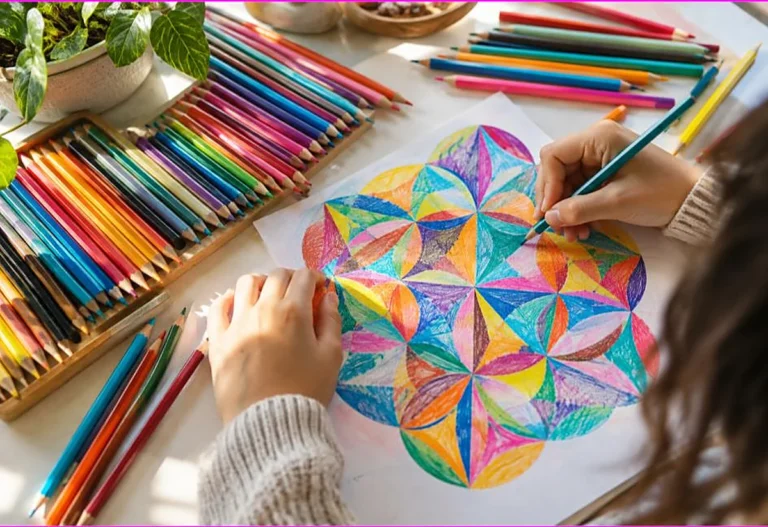
Screens also do little for open ended creativity. A child watching a show follows someone else’s imagination. A child coloring makes their own choices about color and approach, exercising creativity and self expression. These are real gaps that coloring quietly fills.
The calming difference
Beyond skills, coloring and screens affect a child’s state of mind very differently.
Heavy or fast paced screen time can overstimulate a child. The rapid images, bright colors, and constant rewards can leave a child wound up, restless, or cranky, especially after a long stretch. Many parents notice their child is harder to settle after too much screen time.
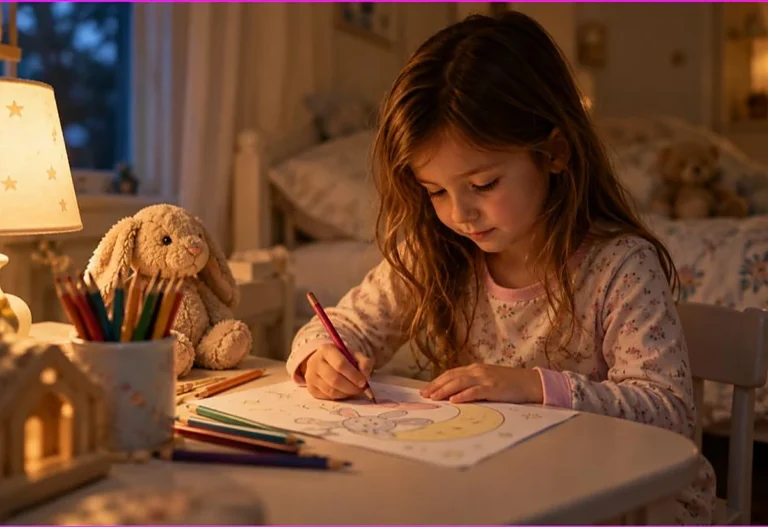
Coloring does the opposite. Its slow, steady, absorbing nature calms a child. It gives the mind a gentle place to rest rather than a stream of stimulation. This is why coloring works so well as a calm down activity and as a wind down before bed. Our guides on calming activities for kids and coloring before bed explore this.
So coloring is not just a more productive activity than screens. It is a more soothing one, which matters for a child who is overstimulated and needs to settle.
Coloring as a screen-time swap
The goal is not to ban screens but to swap some screen time for coloring, and small swaps add up.
Look for natural moments to offer coloring instead of a screen: the wind down before bed, a restless afternoon, time in a waiting room or restaurant, or a stretch when a child says they are bored. In each of these, a coloring page is a ready, calming alternative to a device. Our guides on coloring for road trips and restaurant coloring cover on the go swaps.
Even trading twenty or thirty minutes of screen time for coloring each day makes a difference over weeks. The child gets skill building and calm in place of passive watching, and the habit of reaching for something creative rather than a screen begins to form.
The swap works best when coloring is easy to reach. Keep printed pages and crayons handy, so offering coloring takes no effort in the moment.

Making coloring appealing next to screens
Screens are designed to be hard to resist, so coloring needs to be inviting to compete. A few things help.
Offer coloring pages the child genuinely loves. A page featuring a favorite character, animal, or theme is far more tempting than a random one. Meeting a child’s interests is the surest way to draw them in. Our wide range of free printable coloring pages covers many popular subjects.
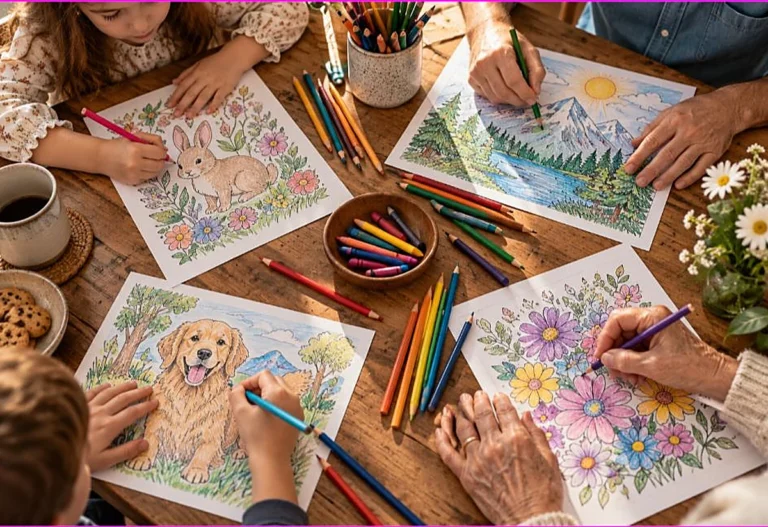
Make it a shared, positive experience. Coloring alongside your child, chatting, and admiring their choices turns it into connection rather than a chore. Children often prefer an activity where a parent joins in over solo screen time.
Keep it pressure free and fun. Praise effort, not neatness, and let the child color however they like. When coloring feels enjoyable and free rather than like a task, it competes far better with the pull of a screen.
Finding a healthy balance
The aim is balance, not a screen free household, which is neither realistic nor necessary.
Screens have a place, and some content genuinely teaches or connects. The goal is to make sure screens do not crowd out active, hands on, calming activities like coloring. A day with some screen time and some creative, screen free play is a healthy mix.
Set gentle limits on passive screen time and fill some of the freed up time with coloring and other hands on play. Over time, this builds a habit where the child reaches for creative activities on their own, not only screens. Coloring is one easy, appealing anchor for that screen free part of the day.
Balance, not elimination, is what keeps this sustainable and positive for the whole family. A child who grows up with both some screen time and plenty of hands on, creative play learns to enjoy and value both, which serves them far better than a household ruled by strict bans or endless screens.
Coloring and screen time by age
How coloring and screens balance out shifts as a child grows, so it helps to think about age.
For toddlers and preschoolers, hands on activities like coloring matter most, since this is when fine motor skills and focus are developing fastest. Passive screen time offers little at this age, so coloring and other active play deserve the larger share of the day. Our guide on coloring for toddlers covers this stage.
For school age children, coloring remains valuable for focus, creativity, and calm, and it makes a good counterweight to the screen time that schoolwork and entertainment bring. Offering coloring as a regular alternative helps keep the balance healthy.
For teenagers and adults, coloring shifts toward stress relief and a screen free break, as our guide on the benefits of coloring for adults explains. At every age, the point is the same: make sure active, calming activities like coloring keep their place alongside screens, rather than being crowded out by them.

Building a screen-free habit that lasts
Swapping screens for coloring works best when it becomes a steady habit, not a one off.
Set up a coloring spot that is always ready, with pages and supplies within reach. When coloring is easy to start, it competes far better with the instant pull of a screen. A basket of pages and crayons on the kitchen table invites a child to color in a spare moment.
Build coloring into predictable parts of the day, such as after school, before dinner, or as a wind down before bed. A regular slot helps a child expect and accept coloring in place of a screen, and over time it becomes a natural choice rather than a battle.
Color together when you can. A child is far more likely to choose coloring over a screen when a parent joins in and makes it a shared, enjoyable moment. Your involvement signals that the activity matters and makes it more appealing. Our collection of free printable coloring pages gives you plenty of subjects to build the habit around.
Answering common worries about screen time
Parents often carry guilt or confusion about screens, so it helps to keep a balanced, practical view.
It is worth remembering that screens are not the enemy. Some content teaches, connects families across distance, and gives parents a needed break. The concern is not screens themselves but too much passive screen time crowding out active, hands on play. Framing it this way removes the guilt and points to a simple fix: add more of the good, rather than only cutting the screen.
That is where coloring helps. Instead of framing the goal as taking screens away, which invites resistance, you offer coloring as an appealing thing to do. A child who has a loved coloring page in front of them is not focused on what they are missing. You are adding a positive, not just removing a negative.
Small, steady changes work better than strict bans. A daily coloring habit, some screen free times, and screens kept in reasonable check add up to a healthy balance over time. This gentle, additive approach is far more sustainable for a family than harsh rules, and coloring is one of the easiest positives to add. Our collection of free printable coloring pages gives you appealing pages to make that swap easy.
Frequently asked questions about screen time
Is coloring better than screen time for kids?
Coloring is active and builds fine motor skills, focus, and creativity, while calming the mind. Screen time is mostly passive and can overstimulate. For development and calm, coloring offers more, though screens are not all bad.
Why is screen-free play important?
Screen free play like coloring builds hand skills, sustained focus, and creativity that passive screens do not. It also calms rather than overstimulates. A mix of screen free play and limited screen time supports healthy development.
How much screen time should I swap for coloring?
Even swapping twenty to thirty minutes of screen time a day for coloring makes a difference over time. The goal is balance, adding creative, calming activities rather than removing screens entirely.
How do I get my child to color instead of using a screen?
Offer pages of subjects they love, color alongside them, and keep it pressure free and fun. Making coloring appealing and shared helps it compete with the strong pull of screens.
Does screen time overstimulate children?
Heavy or fast paced screen time can leave children wound up and restless, making them harder to settle. Coloring has the opposite effect, calming an overstimulated child, which is why it suits wind down times.
The takeaway on screen time
Coloring and screen time are different kinds of activity. Coloring is active, building skills and calming the mind, while heavy screen time is passive and can overstimulate. The goal is balance: swap some screen time for coloring, make it appealing with loved subjects and shared time, and help your child build the habit of reaching for something creative. Even small swaps add up.
Ready to offer a screen free alternative your child will enjoy? Browse our free printable coloring pages across many favorite subjects. Every one is free to download and print. With a little balance and some appealing pages on hand, coloring can hold its own against any screen.