Alcohol Markers vs Water-Based Markers: Which to Choose
Quick answer
Alcohol-based markers blend smoothly and layer without streaking, but bleed through paper and cost more — favored for polished, pro-looking work. Water-based markers are cheaper, less smelly, easier to clean up, and often washable, but blend less seamlessly. Choose alcohol markers for blending and detail, water-based for everyday and kids.
By the TheColoringPages.net team. Reviewed for accuracy, September 2026.
This guide to Water Based Markers gives clear, practical answers, drawing on marker pens and years of hands on coloring.
Markers come in two main types, and the difference matters more than the color range or the brand. Alcohol markers and water based markers behave very differently. One blends like a dream but bleeds through paper. The other is cheaper and kid safe but harder to blend. Knowing which suits your coloring saves money and frustration.
This guide compares alcohol and water based markers across everything that matters, so you can choose the right type for your needs, whether you are buying for a child or for detailed adult art.
Quick answer: Alcohol markers blend smoothly and layer without damaging paper but bleed through thin sheets and cost more. Water based markers are cheaper, kid safe, and low bleed but can streak and pill paper. Alcohol markers suit detailed adult work on heavy paper. Water based markers suit kids and casual coloring.

How each type works
The names describe the ink, and the ink explains everything else about how these markers behave.
Alcohol markers use ink made with alcohol as the base. The alcohol carries the color, then evaporates quickly, leaving the pigment on the paper. Because the alcohol re activates when you add more, alcohol markers blend beautifully, letting colors merge into smooth gradients. The alcohol also soaks into paper readily, which is why these markers bleed through.
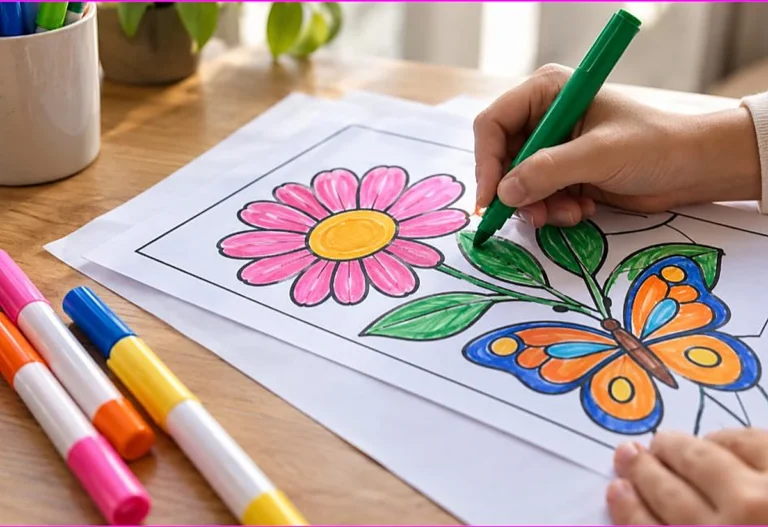
Water based markers use ink made with water as the base. The water carries the color and dries more slowly. Water based ink sits more on the surface and soaks through less, so it bleeds less. But it does not re activate and blend as smoothly as alcohol, and it can wet the paper enough to make it pill or warp with heavy use.
These two inks give the markers opposite strengths and weaknesses, which is why they suit such different colorists. Let us compare them point by point.
Blending and layering
For anyone who wants smooth, blended color, this is the biggest difference between the two.
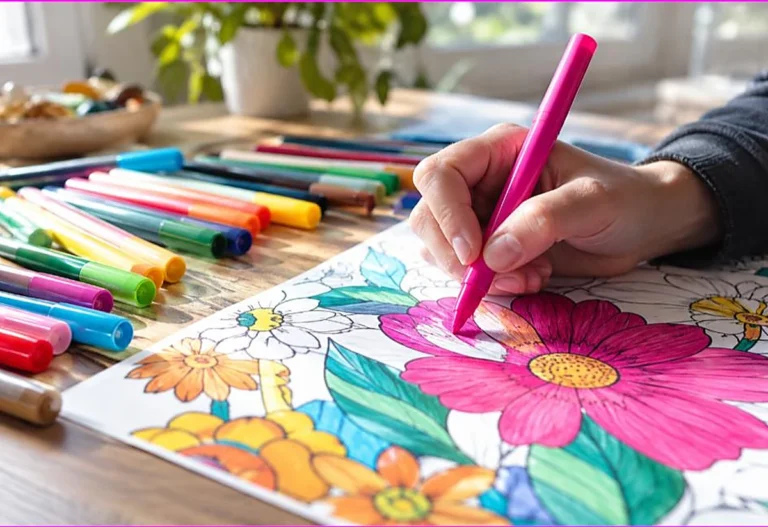
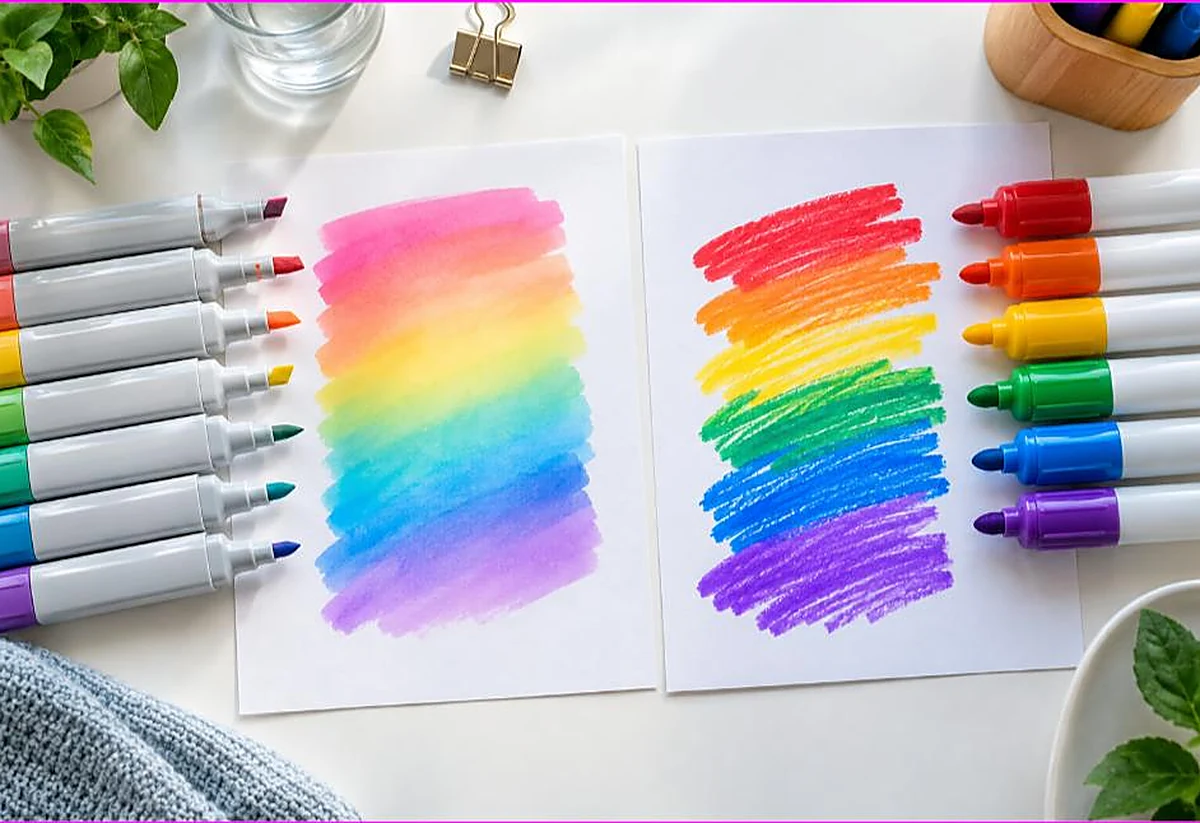
Alcohol markers are the clear winner for blending. Because the ink re activates, you can lay one color over another and merge them into seamless gradients, which is the key to the polished look of marker art. Layering builds depth without damaging the paper. This is why artists and serious colorists favor alcohol markers. Our guide on how to blend markers covers the technique.
Water based markers blend far less smoothly. You can layer them a little, but they tend to leave visible streaks and hard edges rather than smooth transitions. Heavy layering can also wet the paper too much, causing it to pill or tear. For blended, professional results, water based markers fall short.
So if smooth blending matters to you, alcohol markers are the choice. If you mainly fill areas with flat color, water based markers are fine.
Bleed through and paper
Here the water based markers have the advantage, which matters for casual and kid coloring.
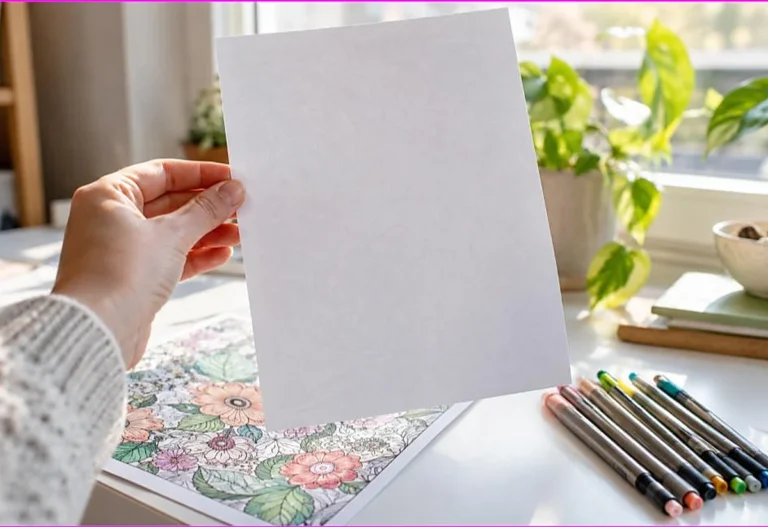
Alcohol markers bleed through paper readily, because the alcohol ink soaks through. They need heavier paper, cardstock, or special marker paper, plus a backing sheet, to avoid marking the surface below. On thin paper they will ruin the page behind. Our guide on how to color with markers without bleeding through covers this.
Water based markers bleed through much less, since the ink sits more on the surface. They work on ordinary paper with far less risk of marking what is underneath, which makes them practical for everyday coloring and for children who color on whatever paper is around.
So if you want to color on thin or ordinary paper without fuss, water based markers win. If you are willing to use heavier paper, alcohol markers become an option.
Cost and value
Budget is a real factor, and the two types sit at different price points.
Water based markers are generally cheaper. Kid focused washable sets are inexpensive and widely available, which suits families and casual coloring. There is no need to spend much for good water based markers.
Alcohol markers range from budget to premium. Budget alcohol sets, like Ohuhu, are surprisingly affordable and give good blending, making them a popular entry into the type. Premium alcohol markers, like Copic, cost much more but are refillable with replaceable tips, so they last for years and can work out economical for frequent colorists. Our guide on the best markers for coloring covers picks at each price.
So water based markers are cheaper upfront, while alcohol markers span a wider range and can be cost effective over time if refillable. Match the spend to how much you color.

Safety for children
For coloring with children, safety and washability tip the balance clearly.
Water based markers are the safe, sensible choice for children. Washable versions clean off skin, clothes, and surfaces reasonably well, and they are non toxic and low odor. The low bleed also means less mess on furniture. For any young child, water based washable markers are the right pick. Our guide on washable markers versus crayons for toddlers helps with the youngest.
Alcohol markers are not suited to young children. They bleed through paper, are not washable, have a noticeable smell from the alcohol, and are designed for careful, older colorists. Keep them for teens and adults.
So for kids, choose water based markers without hesitation. Save alcohol markers for older colorists who want blending and will use them on proper paper.
Which should you choose?
Here is the plain verdict, so you can decide with confidence.
Choose water based markers if you are coloring with children, want a cheap and low mess option, color on ordinary paper, or mainly fill areas with flat color. They are practical, safe, and forgiving.
Choose alcohol markers if you want smooth blending and rich, layered color, you color detailed adult pages, and you are willing to use heavier paper. They give the professional look that water based markers cannot match.
Many adult colorists own both: water based markers for quick, casual coloring, and alcohol markers for detailed, blended work. If you are just starting with blending, a budget alcohol set on cardstock is an affordable way in. Here is a quick summary.
| Factor | Alcohol markers | Water based markers | |—|—|—| | Blending | Excellent | Limited | | Bleed through | High, needs heavy paper | Low | | Cost | Budget to premium | Usually cheap | | Kid safe | No | Yes, washable versions | | Best for | Detailed adult art | Kids and casual coloring |
Caring for each type of marker
Both types last longer with the right care, though they have slightly different needs.
Alcohol markers dry out if left uncapped, since the alcohol evaporates quickly. Always recap them firmly and store them flat or tip down so the ink reaches the tip. Premium alcohol markers like Copic are refillable, so a dry marker can be topped up with ink rather than thrown away, and the tips can be replaced too. This makes them last for years with care, which offsets their higher cost.
Water based markers also dry out if left open, though usually more slowly. Recap them firmly after use. If a water based marker starts to dry, dipping the tip briefly in water can sometimes revive it, since the ink is water based, though this is a short term fix. Most water based markers are not refillable, so you replace them when they dry, but their low cost makes that reasonable.
For both types, the single most important habit is capping firmly after every use. An uncapped marker is the most common way markers die before their time. Store them away from heat, which speeds drying, and keep the caps clean so they seal well. With this simple care, either type gives you far more coloring for your money.

Combining both types
You do not have to choose only one type. Many colorists use both, and they work well together.
A common approach is to use water based markers for casual, everyday coloring and quick fills, then reach for alcohol markers when you want smooth, blended, detailed work on proper paper. This gives you the low cost and low mess of water based markers most of the time, plus the professional blending of alcohol markers when it matters.
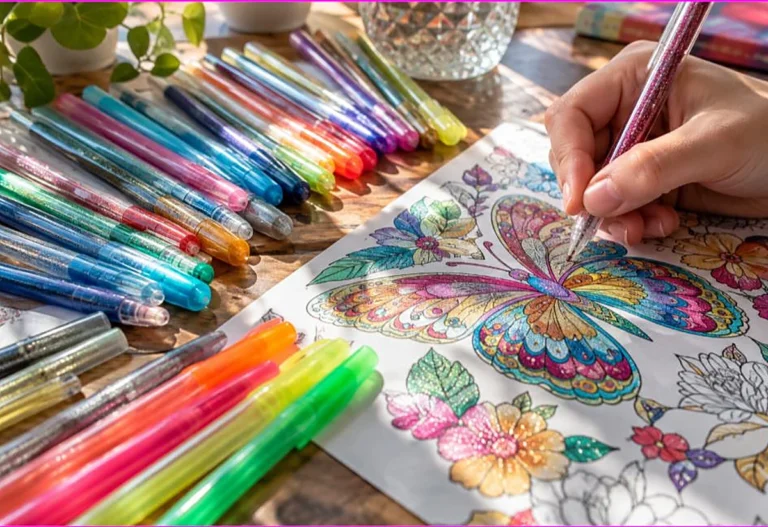
You can even combine them on the same page, though it takes care. Generally, work with one type at a time on a given area, since mixing wet inks can get muddy. Let each layer dry before adding another. Gel pens on top of either type add sparkle and detail as a finishing touch, as our guide on gel pens for coloring explains.
Building a kit with both types gives you flexibility. Start with whichever suits your main coloring, water based for kids and casual use, alcohol for blended adult art, and add the other as your coloring grows. Our full coloring supplies guide covers how the tools fit together.
Which to buy first
If you are starting out and can only buy one type, here is how to decide.
Buy water based markers first if you are coloring with children, want a low cost and low mess start, or mostly color on ordinary paper. They are safe, forgiving, and practical, which makes them the sensible first marker for families and casual colorists. You can always add alcohol markers later if you get into blending.
Buy alcohol markers first if you are an adult who wants to learn blending and create detailed, professional looking pages, and you are willing to use heavier paper. A budget alcohol set on cardstock is an affordable way to start, and it gives you the smooth blending that water based markers cannot. This suits anyone serious about coloring as a creative hobby.
For most people, the honest answer depends on who is coloring. A parent buying for the family should start with washable water based markers. An adult wanting to develop their coloring should start with a budget alcohol set and good paper. Either way, you can build toward owning both over time. Our guide on the best markers for coloring covers specific picks for each.
Frequently asked questions about water based markers
What is the difference between alcohol and water based markers?
Alcohol markers use fast drying alcohol ink that blends smoothly but bleeds through paper. Water based markers use water ink that bleeds less and is kid safe but blends less smoothly. The ink base explains all their differences.
Which markers are better for coloring?
It depends. Alcohol markers are better for smooth blending and detailed adult work on heavy paper. Water based markers are better for children, casual coloring, and ordinary paper. Many adult colorists use both.
Do alcohol markers bleed through paper?
Yes, alcohol markers bleed through readily because the alcohol ink soaks through. Use heavier paper, cardstock, or marker paper, plus a backing sheet, to avoid marking the surface below. Water based markers bleed far less.
Are alcohol markers safe for kids?
Alcohol markers are not ideal for young children. They bleed through paper, are not washable, and have an alcohol smell. Choose non toxic, washable, water based markers for children, and save alcohol markers for older colorists.
Are cheap alcohol markers any good?
Yes. Budget alcohol sets like Ohuhu give good blending and large color ranges for a low price, making them a popular way to try alcohol markers. Pair them with heavier paper to control bleed.
The takeaway on water based markers
Alcohol and water based markers suit opposite needs. Alcohol markers blend smoothly for detailed adult art but bleed through and cost more, so they need heavier paper. Water based markers are cheaper, kid safe, and low bleed but blend less well. Choose water based for children and casual coloring, alcohol for blended adult work, and consider owning both. Match the marker to the colorist and the paper.
Ready to color with your markers? Browse our free printable coloring pages and print on heavier paper for alcohol markers. Every one is free to download and print.